
Your body operates on an intricate internal clock that governs everything from hormone production to energy levels, and understanding this rhythm could transform your health and performance.

In our modern world of artificial lighting, late-night screen time, and irregular schedules, our natural circadian rhythms have become increasingly disrupted. This misalignment between our internal biological clock and our daily activities contributes to sleep disorders, metabolic issues, mood disturbances, and decreased cognitive function. The good news? With the right knowledge and tools, particularly sleep tracking technology, you can reclaim control over your body’s natural rhythm and unlock unprecedented levels of wellness and productivity.
The science of circadian optimization has evolved dramatically in recent years, moving from abstract laboratory research to practical, actionable strategies that anyone can implement. Sleep tracking devices and applications have become sophisticated enough to provide meaningful insights into your sleep architecture, helping you identify patterns, troubleshoot problems, and fine-tune your daily routines for optimal circadian alignment.
🌅 Understanding Your Circadian Clock: The Foundation of Human Performance
Your circadian rhythm is a roughly 24-hour cycle of biological processes controlled by a master clock located in the suprachiasmatic nucleus (SCN) of your brain’s hypothalamus. This remarkable system doesn’t just regulate sleep—it orchestrates a symphony of physiological functions including body temperature, hormone secretion, metabolism, immune function, and even gene expression throughout your entire body.
Light exposure serves as the primary environmental cue that synchronizes your internal clock with the external world. When light enters your eyes, specialized photoreceptors send signals to the SCN, which then coordinates the timing of various bodily functions. This is why exposure to bright light in the morning helps you feel alert, while evening light exposure can delay sleep onset and disrupt your natural rhythm.
The consequences of circadian misalignment extend far beyond simple tiredness. Research has linked chronic circadian disruption to increased risks of obesity, diabetes, cardiovascular disease, depression, and even certain cancers. Shift workers, frequent travelers crossing time zones, and those with irregular sleep schedules are particularly vulnerable to these health impacts.
💤 The Four Stages of Sleep and Why They Matter
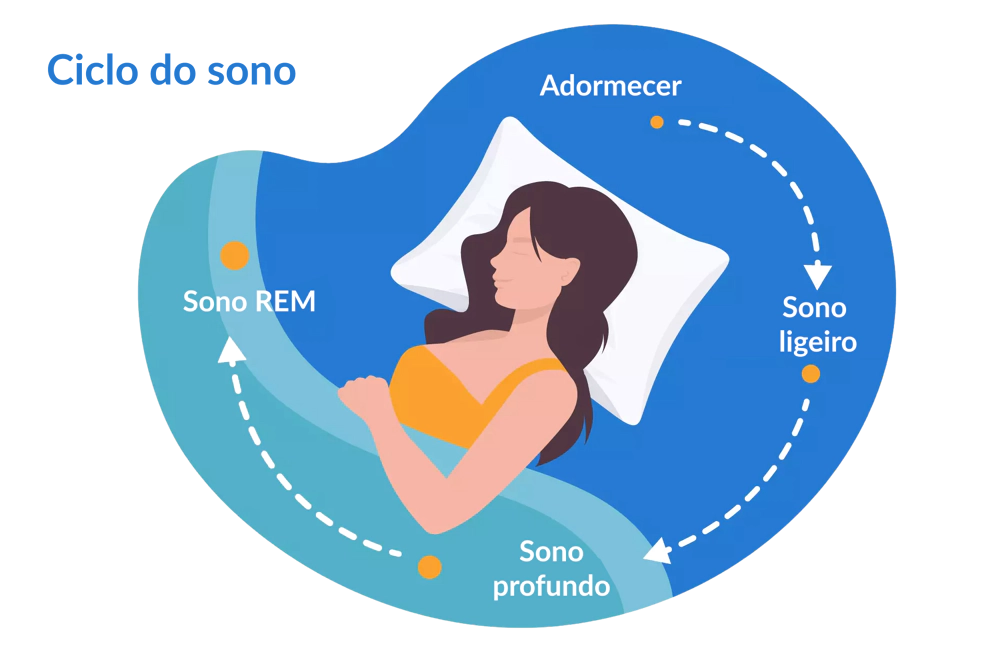
Quality sleep tracking requires understanding what you’re actually measuring. Sleep isn’t a uniform state but rather cycles through distinct stages, each serving crucial functions for physical restoration and cognitive processing.
Stage 1 (N1) represents the transition between wakefulness and sleep, typically lasting only a few minutes. During this light sleep phase, muscle activity slows down and you may experience sudden muscle contractions called hypnic jerks. Stage 2 (N2) comprises the largest portion of your sleep cycle, characterized by a further decrease in body temperature and heart rate as your body prepares for deep sleep.
Stage 3 (N3), commonly called deep sleep or slow-wave sleep, is when your body performs critical maintenance work. Growth hormone is released, tissue repair occurs, immune function strengthens, and metabolic waste is cleared from the brain through the glymphatic system. This stage is particularly important for physical recovery and feeling refreshed upon waking.
REM (Rapid Eye Movement) sleep is where most vivid dreaming occurs and plays a vital role in memory consolidation, emotional processing, and learning. Your brain activity during REM sleep resembles waking patterns, but your body remains paralyzed to prevent you from acting out dreams. A healthy sleep cycle typically includes four to six complete progressions through these stages each night.
How Sleep Stages Change Throughout the Night
The distribution of sleep stages isn’t uniform across the night. Deep sleep dominates the first half of your sleep period, with longer and more intense REM periods occurring in the early morning hours. This natural architecture explains why cutting sleep short—even by just an hour—disproportionately reduces REM sleep and can significantly impact mood, creativity, and cognitive function.
📱 Modern Sleep Tracking Technology: Your Personal Sleep Laboratory
Today’s sleep tracking technology has evolved from simple motion detection to sophisticated systems that monitor multiple physiological parameters. While no consumer device matches the precision of clinical polysomnography conducted in sleep laboratories, modern trackers provide remarkably useful data for optimizing your circadian rhythm.
Wearable devices like smartwatches and fitness bands typically use accelerometers to detect movement, heart rate sensors to monitor cardiovascular patterns, and increasingly, blood oxygen sensors to identify potential breathing disruptions. More advanced devices incorporate skin temperature monitoring and heart rate variability analysis to provide deeper insights into sleep quality and recovery status.
Smartphone-based sleep tracking applications offer an accessible entry point for circadian optimization. These apps use your phone’s sensors, microphone, and sometimes camera to gather data about your sleep environment and patterns. While less comprehensive than dedicated wearables, they can still provide valuable trend data and help establish consistent sleep schedules.
Smart mattresses and under-mattress sensors represent the most unobtrusive tracking option, automatically collecting data without requiring you to wear anything or remember to activate an app. These devices can track respiratory rate, heart rate, and movement patterns for everyone in bed simultaneously, making them ideal for couples who both want to optimize their sleep.
🎯 Key Metrics to Track for Circadian Optimization
Not all sleep data carries equal importance for optimizing your circadian rhythm. Understanding which metrics matter most helps you focus your attention and make informed adjustments to your routine.
Sleep Timing Consistency
The regularity of your sleep-wake schedule may be the single most important factor in circadian health. Your body thrives on predictability, and maintaining consistent bed and wake times—even on weekends—strengthens your circadian signal. Track your sleep onset time, wake time, and the variation between days to identify patterns and areas for improvement.
Total Sleep Duration and Sleep Debt
Most adults require between 7-9 hours of sleep per night, though individual needs vary. Track your total sleep time to ensure you’re meeting your personal requirements. Many tracking apps calculate sleep debt by comparing your actual sleep to your target, helping you understand cumulative deficits that may be affecting your performance and health.
Sleep Efficiency and Interruptions
Sleep efficiency measures the percentage of time in bed actually spent asleep. Healthy adults typically achieve 85-90% sleep efficiency. Frequent awakenings or long periods awake during the night suggest sleep maintenance issues that may require intervention. Track both the number and duration of interruptions to identify patterns.
Sleep Stage Distribution
While tracking devices aren’t perfectly accurate at identifying specific sleep stages, they can reveal useful patterns over time. Consistently low deep sleep percentages may indicate stress, poor sleep environment, or timing issues, while insufficient REM sleep might suggest circadian misalignment or alcohol consumption affecting sleep architecture.
🔧 Actionable Strategies for Circadian Optimization
Data without action provides no benefit. The real power of sleep tracking emerges when you use insights to make strategic adjustments to your daily routines and environment.
Light Exposure Optimization
Bright light exposure within the first hour of waking serves as the most powerful circadian anchor. Aim for at least 10-15 minutes of outdoor light exposure or use a 10,000 lux light therapy device if natural light isn’t accessible. This morning light signal helps consolidate your wake time and promotes appropriate melatonin timing in the evening.
Conversely, reducing bright light exposure in the 2-3 hours before bed helps your body prepare for sleep. Blue light from screens is particularly problematic as it strongly suppresses melatonin production. Use blue light filtering on devices, wear blue-blocking glasses in the evening, or better yet, establish screen-free wind-down routines.
Strategic Meal Timing
Your digestive system operates on circadian rhythms, with metabolic efficiency varying throughout the day. Eating within a consistent window and avoiding large meals within 2-3 hours of bedtime supports better circadian alignment. Time-restricted eating, where you consume all calories within an 8-12 hour window, can strengthen circadian signals and improve metabolic markers.
Exercise Timing for Better Sleep
Physical activity is a potent circadian regulator, but timing matters. Morning or afternoon exercise generally enhances circadian alignment and sleep quality, while intense exercise within 2-3 hours of bedtime may interfere with sleep onset for some individuals. Use your sleep tracking data to determine how different exercise timing affects your personal sleep quality.
🌡️ Optimizing Your Sleep Environment
Your bedroom environment significantly impacts sleep quality and circadian alignment. Temperature, light, sound, and air quality all contribute to how well you sleep and how synchronized your circadian rhythm remains.
Temperature regulation is crucial—your body temperature naturally drops during sleep, and a cool room (around 65-68°F or 18-20°C) facilitates this process. Many sleep trackers monitor skin or room temperature, helping you identify if thermal discomfort is fragmenting your sleep. Breathable bedding materials and appropriate sleepwear support optimal thermoregulation throughout the night.
Complete darkness signals to your brain that it’s time for sleep. Even small amounts of light can suppress melatonin production and fragment sleep. Use blackout curtains, cover LED displays, or wear a comfortable sleep mask to eliminate light pollution. Some advanced sleep trackers include light sensors that can help you identify unexpected light exposure during your sleep period.
Sound management requires balancing two competing needs: minimizing disruptive noise while potentially masking unavoidable environmental sounds. White noise machines, fans, or apps generating ambient sounds can effectively mask traffic, neighbors, or other intermittent noises that might otherwise fragment your sleep. Your sleep tracker’s interruption data can help you correlate environmental sounds with sleep quality.
📊 Interpreting Your Sleep Data: Beyond the Numbers
Raw data requires context and interpretation to generate actionable insights. Rather than obsessing over single nights, focus on weekly and monthly trends that reveal meaningful patterns in your sleep and circadian alignment.
Look for correlations between your daily activities and sleep quality metrics. Did that afternoon coffee impact your sleep onset or reduce your deep sleep? Does your Wednesday morning meeting requiring an early wake time disrupt your weekly rhythm? These connections often become visible only when you review data across multiple weeks.
Be cautious about over-interpreting single data points. Sleep tracking devices have limitations and occasional inaccuracies. A single night showing unusual patterns doesn’t necessarily indicate a problem. Focus instead on persistent patterns that appear across multiple nights or weeks.
Avoiding Sleep Tracking Anxiety
Ironically, some individuals develop anxiety about their sleep data, a phenomenon called orthosomnia. If checking your sleep scores increases stress or impacts your mood, consider reducing tracking frequency or taking breaks from monitoring. Remember that sleep tracking serves as a tool for optimization, not a source of stress or self-judgment.
⚡ Advanced Circadian Optimization Techniques
Once you’ve mastered the fundamentals, several advanced strategies can further refine your circadian rhythm and sleep quality.
Chronotype Awareness
Genetic variations influence whether you’re naturally a morning person, evening person, or somewhere in between. Understanding your chronotype helps you work with your biology rather than against it. While social obligations may limit flexibility, even small adjustments toward your natural chronotype can improve sleep quality and daytime performance.
Strategic Napping
Short naps (15-20 minutes) can enhance alertness without interfering with nighttime sleep, especially when timed appropriately in the early afternoon during the natural post-lunch dip in circadian alertness. Longer naps or those taken later in the day may disrupt nighttime sleep. Track how different napping strategies affect your evening sleep onset and quality.
Supplement Timing and Circadian Support
Certain supplements can support circadian alignment when used strategically. Melatonin (0.5-3mg) taken 1-2 hours before desired sleep time can help shift circadian phase, particularly useful for jet lag or shift work recovery. Magnesium supports muscle relaxation and may enhance sleep quality. Always consult healthcare providers before starting supplementation protocols.
🌍 Managing Circadian Disruptions: Travel and Shift Work
Modern life sometimes requires temporary circadian disruption. Strategic approaches can minimize the impact and accelerate recovery.
For jet lag management, begin shifting your sleep schedule toward your destination time zone several days before travel. Upon arrival, immediately adopt local meal and sleep times, and prioritize bright light exposure at appropriate times to accelerate adjustment. Sleep tracking helps you monitor adaptation progress and identify when you’ve successfully synchronized to the new time zone.
Shift workers face unique challenges requiring specialized strategies. If working permanent night shifts, maintaining a consistent schedule even on days off provides better circadian stability than constantly rotating. Use bright light exposure during your work period and complete darkness during your sleep time. Blackout curtains become essential, as does managing social pressure to adopt “normal” schedules on days off.
🎓 The Future of Circadian Optimization and Sleep Science
Sleep tracking technology continues advancing rapidly. Emerging technologies include contactless radar-based monitoring, artificial intelligence analysis predicting optimal sleep and wake times based on your patterns, and integration with smart home systems that automatically optimize your environment for circadian health.
Genetic testing for circadian-related genes may soon provide personalized insights into your chronotype, caffeine metabolism, and sleep needs, enabling truly individualized optimization strategies. Research into targeted light therapy, pharmacological circadian modulators, and deeper understanding of the molecular mechanisms controlling our biological clocks promises even more powerful interventions in the coming years.
🚀 Your Journey to Circadian Mastery Starts Now
Optimizing your circadian rhythm through sleep tracking isn’t about achieving perfection—it’s about making consistent, incremental improvements that compound over time. Start by establishing regular sleep-wake times, then gradually add other optimization strategies based on your tracking data and personal observations.
Remember that individual variation is substantial. What works brilliantly for one person may not suit another. Use tracking data as feedback to experiment systematically, changing one variable at a time and observing results over at least a week before making additional adjustments.
The investment in understanding and optimizing your circadian rhythm pays dividends across every aspect of life. Better sleep improves mood, cognitive performance, physical health, and longevity. By mastering your body’s natural rhythm, you unlock potential you may not have known existed.
Your circadian clock has been ticking since birth, governing your biology with remarkable precision. Now, armed with modern sleep tracking tools and evidence-based optimization strategies, you can work in harmony with this ancient system rather than constantly fighting against it. The journey to circadian optimization is personal and ongoing, but the destination—better health, enhanced performance, and improved quality of life—makes every step worthwhile.