Living longer isn’t just about adding years to your life—it’s about adding life to your years through strategic nutrition choices that fuel cellular health and vitality.

🌱 The Science Behind Longevity Nutrition
The connection between what we eat and how long we live has never been clearer. Modern research reveals that our dietary choices directly influence cellular aging, inflammation levels, and our body’s ability to repair and regenerate. The longevity-boosting plate isn’t a restrictive diet—it’s a comprehensive approach to nourishing your body with foods that support optimal biological function.
Scientists studying Blue Zones—regions where people consistently live past 100—have identified common nutritional patterns that contribute to exceptional longevity. These populations don’t count calories obsessively or follow trendy diets. Instead, they consume whole foods rich in antioxidants, healthy fats, plant proteins, and essential micronutrients that protect against age-related decline.
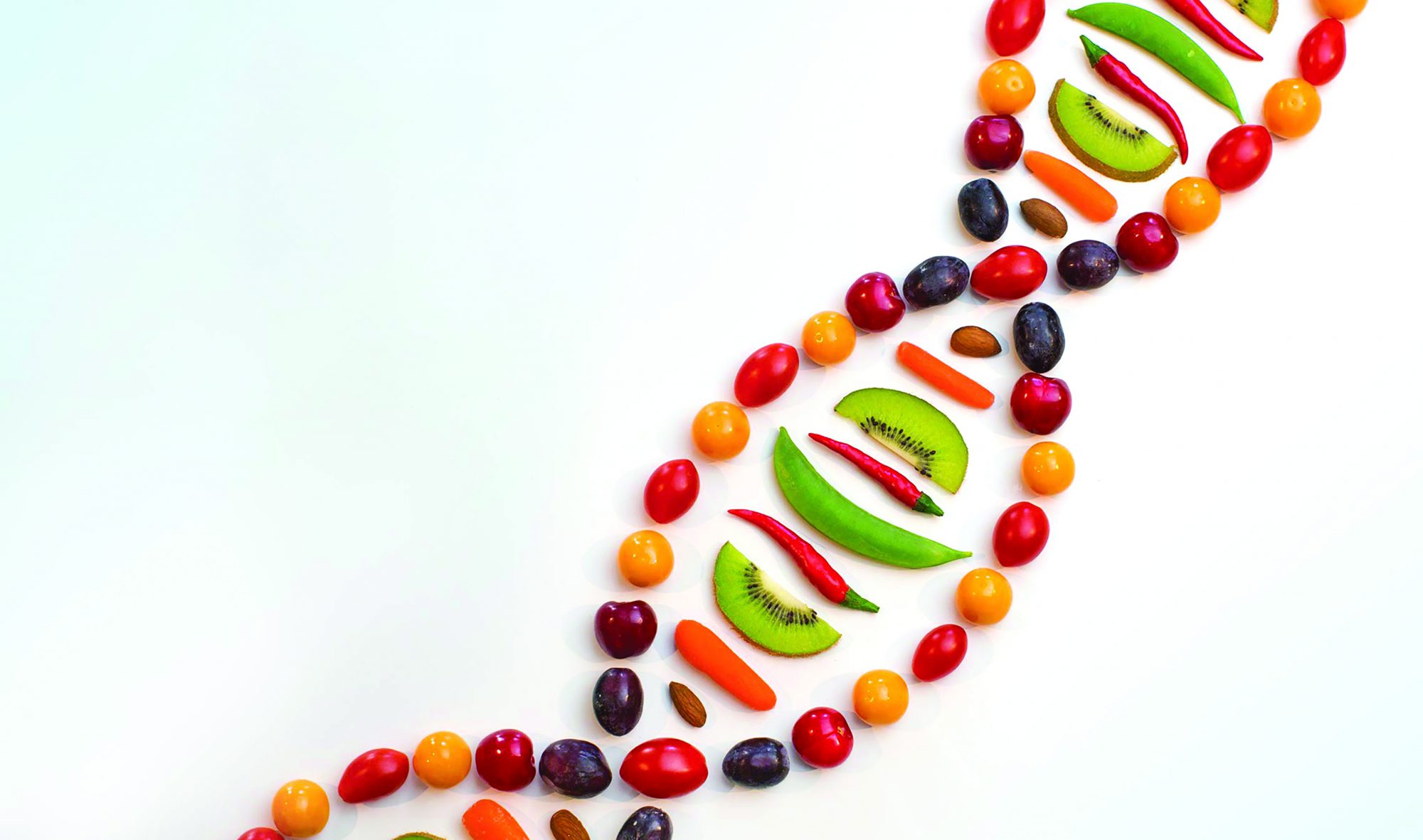
Understanding the molecular mechanisms behind food and aging helps us make informed choices. Nutrients interact with our genes, turning protective mechanisms on or off through a process called nutrigenomics. This means your fork is one of the most powerful tools you have for influencing your healthspan—the period of life spent in good health.
🥗 Building Blocks of the Longevity Plate
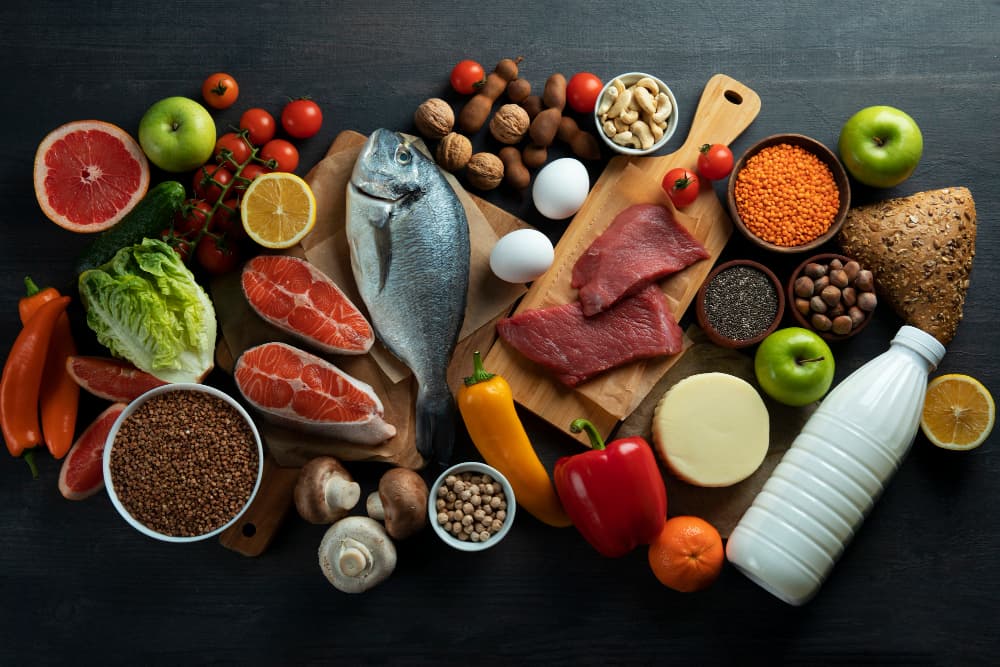
Creating a longevity-boosting plate requires understanding which food categories deliver the greatest health returns. The foundation consists of nutrient-dense whole foods that work synergistically to support cellular health, reduce oxidative stress, and maintain metabolic balance.
Colorful Plant Foods: Your Antioxidant Arsenal
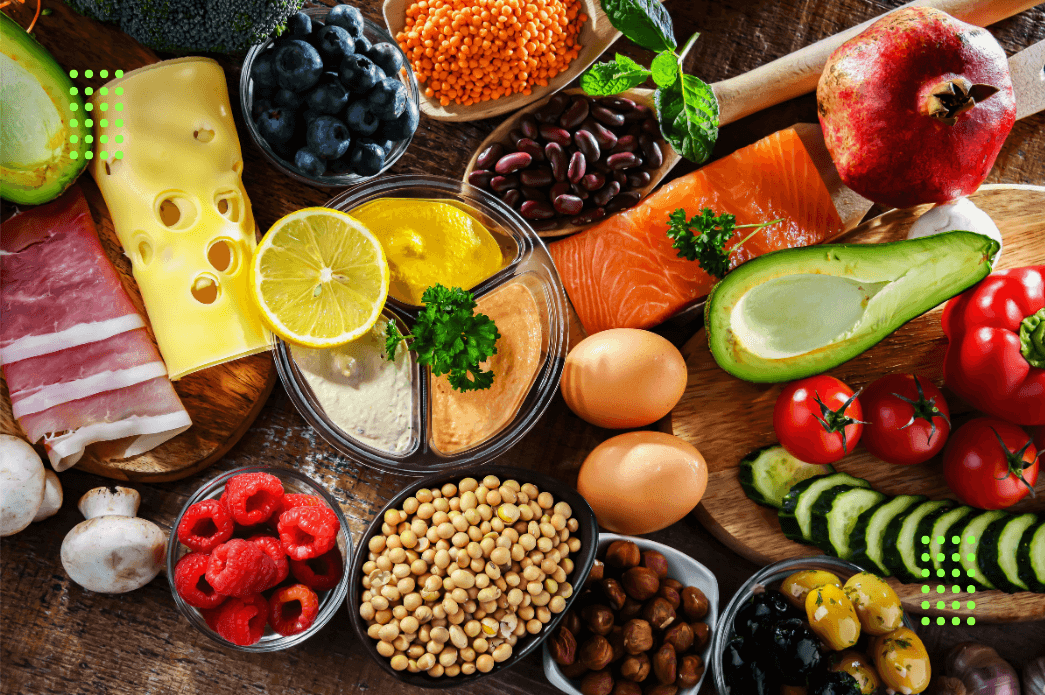
Vegetables and fruits should occupy the largest portion of your plate, ideally covering half the surface area. The vibrant colors aren’t just visually appealing—they signal the presence of phytonutrients that combat cellular damage. Dark leafy greens like kale, spinach, and Swiss chard provide folate, vitamin K, and compounds that support detoxification pathways.
Cruciferous vegetables including broccoli, cauliflower, and Brussels sprouts contain sulforaphane, a powerful compound that activates longevity genes and enhances the body’s natural defense systems. Berries—particularly blueberries, strawberries, and blackberries—deliver anthocyanins that protect brain health and improve cognitive function as we age.
The diversity of plant foods matters tremendously. Aim for at least seven different colored plant foods daily, rotating through seasonal varieties to maximize your nutrient spectrum. This approach ensures you’re receiving a comprehensive array of protective compounds that work together more effectively than any single superfood could alone.
Protein: The Cellular Maintenance Crew
Adequate protein intake becomes increasingly important as we age, supporting muscle maintenance, immune function, and tissue repair. The longevity plate emphasizes quality protein sources that provide amino acids without excessive saturated fat or inflammatory compounds.
Wild-caught fatty fish like salmon, sardines, and mackerel deliver omega-3 fatty acids EPA and DHA, which reduce inflammation and support cardiovascular and cognitive health. These marine sources also provide vitamin D and selenium, nutrients many people lack. Aim for at least two servings of fatty fish weekly.
Plant-based proteins including legumes, lentils, chickpeas, and beans offer fiber alongside protein, supporting gut health and blood sugar regulation. These foods contain resistant starch that feeds beneficial gut bacteria, creating metabolites that protect against chronic disease. Incorporating a variety of plant proteins throughout the week diversifies your amino acid intake while supporting environmental sustainability.
Healthy Fats: Essential for Longevity
Contrary to outdated dietary advice, fat isn’t the enemy—the type of fat matters enormously. The longevity plate features predominantly monounsaturated and omega-3 polyunsaturated fats that support cellular membrane integrity, hormone production, and anti-inflammatory processes.
Extra virgin olive oil stands as the cornerstone fat in longevity-promoting diets, particularly the Mediterranean approach. Its polyphenols reduce oxidative stress and support cardiovascular health. Use it liberally for cooking at moderate temperatures and as a finishing oil for maximum benefit.
Nuts and seeds—including walnuts, almonds, flaxseeds, and chia seeds—provide healthy fats along with protein, fiber, and minerals. Regular nut consumption correlates with reduced mortality from cardiovascular disease and cancer. A small handful daily provides substantial health benefits without excessive calories.
⏰ Timing Matters: When You Eat Affects How You Age
Beyond food selection, meal timing influences longevity through its effects on metabolic health, circadian rhythms, and cellular cleaning processes. Time-restricted eating—confining food intake to a consistent window each day—activates autophagy, the cellular housekeeping mechanism that removes damaged components.
Research suggests eating within a 10-12 hour window aligns with our biological rhythms, improving insulin sensitivity and metabolic flexibility. This doesn’t require extreme fasting protocols; simply finishing dinner earlier and avoiding late-night snacking can provide significant benefits.
Front-loading calories earlier in the day when insulin sensitivity peaks optimizes nutrient partitioning and energy utilization. A substantial breakfast rich in protein and healthy fats stabilizes blood sugar throughout the day, reducing cravings and supporting sustained energy levels.
🍽️ Portion Control Without Deprivation
The longevity plate emphasizes nutrient density over caloric restriction alone. However, understanding appropriate portions helps maintain healthy body composition without obsessive tracking. Visual cues make portion control intuitive and sustainable.
Use your hand as a portable measuring tool: your palm determines protein portions, your fist measures vegetable servings, your cupped hand indicates carbohydrate amounts, and your thumb represents healthy fat portions. This flexible approach adapts to individual needs while preventing overconsumption.
Practicing mindful eating—removing distractions, chewing thoroughly, and pausing between bites—naturally regulates portion sizes. This approach activates satiety signals before overeating occurs, supporting healthy weight maintenance without restrictive dieting that typically fails long-term.
💧 Hydration: The Overlooked Longevity Factor
Water comprises approximately 60% of body weight and participates in virtually every biological process. Chronic dehydration accelerates aging, impairs detoxification, and reduces cognitive performance. Yet many people exist in a state of mild dehydration without recognizing its impact.
Adequate hydration supports nutrient transport, temperature regulation, joint lubrication, and waste removal. Individual needs vary based on activity level, climate, and body size, but a general guideline suggests consuming half your body weight in ounces daily. A 150-pound person would target approximately 75 ounces of water.
Enhance plain water with fresh herbs, cucumber slices, or lemon for variety without added sugars. Herbal teas—particularly green tea rich in catechins—contribute to fluid intake while providing additional antioxidants. Limit caffeine and alcohol, which have diuretic effects that can compromise hydration status.
🦠 Feeding Your Microbiome for Longevity
The trillions of microorganisms inhabiting your digestive tract profoundly influence health, affecting everything from immune function to mood regulation. A diverse, balanced microbiome correlates with longevity, while microbial imbalances (dysbiosis) contribute to chronic disease.
Prebiotic foods—including garlic, onions, leeks, asparagus, and Jerusalem artichokes—feed beneficial bacteria, helping them thrive and produce health-promoting metabolites. These compounds reduce inflammation, strengthen the gut barrier, and support metabolic health.
Fermented foods deliver live probiotics that colonize the gut and enhance microbial diversity. Incorporate yogurt, kefir, sauerkraut, kimchi, miso, and kombucha regularly. These traditional foods have sustained human health across cultures for millennia, providing benefits modern science is only beginning to understand fully.
🚫 Foods That Accelerate Aging
Just as certain foods promote longevity, others accelerate biological aging and should be minimized. Understanding these dietary pitfalls helps you make strategic choices that protect long-term health.
Ultra-processed foods containing refined sugars, artificial additives, and inflammatory seed oils drive oxidative stress and insulin resistance. These products typically lack nutrients while delivering empty calories that promote weight gain and metabolic dysfunction. Read ingredient labels carefully and choose whole food alternatives whenever possible.
Excessive sugar consumption—particularly high-fructose corn syrup—damages cellular structures through glycation, forming advanced glycation end products (AGEs) that stiffen tissues and impair function. Limit added sugars to less than 25 grams daily, focusing on natural sweetness from whole fruits.
Trans fats, found in many commercially baked goods and fried foods, increase inflammation and cardiovascular disease risk. Although regulations have reduced their prevalence, checking labels for “partially hydrogenated oils” remains important. Similarly, charred or heavily grilled meats contain heterocyclic amines that may promote cellular damage.
📱 Technology Tools for Tracking Nutrition
Modern technology can support longevity nutrition goals by providing insights into dietary patterns, nutrient intake, and eating behaviors. While not essential, these tools help some people maintain consistency and identify areas for improvement.
Nutrition tracking applications allow you to log meals, analyze nutrient consumption, and identify deficiencies. These platforms can reveal patterns you might otherwise miss—like consistently low fiber intake or insufficient protein consumption. However, avoid becoming obsessive; use technology as an educational tool rather than a permanent requirement.
Intermittent fasting apps help establish consistent eating windows, sending reminders and tracking fasting periods. These tools can ease the transition to time-restricted eating by providing structure and accountability during habit formation.
🌍 Cultural Wisdom: Learning from Long-Living Populations
The world’s Blue Zones—Okinawa (Japan), Sardinia (Italy), Nicoya (Costa Rica), Ikaria (Greece), and Loma Linda (California)—offer valuable lessons about longevity nutrition. These populations share common dietary patterns despite geographic and cultural differences.
Plant-predominant diets form the foundation across all Blue Zones, with vegetables, legumes, and whole grains comprising the majority of calories. Animal products appear in smaller portions as occasional additions rather than meal centerpieces. This approach provides abundant fiber, antioxidants, and phytonutrients while limiting saturated fat.
Social eating practices in these regions emphasize community, gratitude, and moderate portions. Meals become celebrations rather than rushed fuel stops, supporting better digestion and satisfaction. The Okinawan practice of “hara hachi bu”—eating until 80% full—naturally prevents overconsumption while maintaining metabolic health.
🔬 Supplements: Supporting the Longevity Plate
While whole foods should provide the nutritional foundation, strategic supplementation can address common deficiencies and support specific longevity pathways. Consider supplements as insurance rather than replacements for healthy eating.
Omega-3 fatty acids from high-quality fish oil or algae-based sources ensure adequate EPA and DHA intake, particularly for those who don’t consume fatty fish regularly. Look for products tested for purity and potency, providing at least 1000mg combined EPA and DHA daily.
Vitamin D deficiency affects a significant portion of the population, particularly those living in northern latitudes or spending limited time outdoors. This hormone-like vitamin influences immune function, bone health, and cellular processes. Testing your levels and supplementing appropriately based on results optimizes this critical nutrient.
Magnesium supports over 300 enzymatic reactions, including energy production, DNA repair, and nervous system function. Modern diets often lack sufficient magnesium due to soil depletion and food processing. Supplementing with highly absorbable forms like magnesium glycinate can address this widespread deficiency.
🏃 Synergizing Nutrition with Lifestyle
The longevity plate delivers maximum benefits when combined with complementary lifestyle practices. Nutrition doesn’t exist in isolation—it interacts with movement, sleep, stress management, and social connection to determine overall health outcomes.
Regular physical activity enhances nutrient partitioning, improves insulin sensitivity, and supports healthy aging. Combining the longevity plate with consistent movement—both structured exercise and daily activity—amplifies the benefits of each practice. Aim for at least 150 minutes of moderate activity weekly, including strength training twice per week.
Quality sleep regulates hunger hormones, supports detoxification, and allows cellular repair processes to function optimally. Poor sleep undermines even the healthiest dietary patterns by increasing cravings for processed foods and disrupting metabolic function. Prioritize 7-9 hours nightly in a cool, dark environment.
Chronic stress elevates cortisol, promoting inflammation and abdominal fat storage while disrupting digestion. Stress management practices—including meditation, deep breathing, nature exposure, and social connection—work synergistically with longevity nutrition to protect health across the lifespan.
🎯 Making It Sustainable: Your Personalized Approach
The most effective longevity nutrition plan is one you can maintain consistently over decades. Perfectionism often undermines sustainability; aim for progress rather than perfection, allowing flexibility while maintaining overall dietary quality.
Start by identifying three specific changes you can implement immediately—perhaps adding a serving of leafy greens daily, replacing refined grains with whole versions, or establishing a consistent eating window. Master these foundational changes before adding additional modifications.
Meal planning and preparation simplify healthy eating, reducing reliance on convenience foods when time is limited. Dedicate a few hours weekly to washing produce, cooking grains and legumes, and preparing versatile components that combine into various meals. This investment pays dividends throughout the week.
Allow occasional indulgences without guilt or compensation. The longevity plate follows an 80/20 principle—consistently prioritizing nutrient-dense whole foods while permitting less optimal choices in moderation. This balanced approach prevents the restriction-binge cycle that sabotages long-term success.

🌟 Your Longevity Journey Starts Today
Building a longevity-boosting plate represents an investment in your future self—one that pays compounding returns through improved energy, cognitive function, disease resistance, and quality of life. The scientific evidence is clear: your daily food choices profoundly influence how you age.
Begin where you are, using what you have. Every meal offers an opportunity to nourish your body with foods that support cellular health and vitality. Small, consistent improvements accumulate into transformative results over time, extending both lifespan and healthspan.
The longevity plate isn’t about restriction or deprivation—it’s about abundance, variety, and strategic nourishment that fuels optimal human performance. By prioritizing colorful plant foods, quality proteins, healthy fats, and proper hydration while minimizing inflammatory processed foods, you create the foundation for a long, vibrant life.
Your future health is being created right now, one meal at a time. Choose foods that honor your body, support your goals, and align with the lifestyle you want to live for decades to come. The power to influence your longevity sits at the end of your fork—use it wisely.