Your immune system works tirelessly every day to protect you from harmful pathogens, and providing it with the right micronutrients is essential for optimal performance.

Understanding Your Body’s Natural Defense Mechanism 🛡️
The human immune system is one of nature’s most sophisticated creations, consisting of an intricate network of cells, tissues, and organs that work in harmony to defend against disease-causing invaders. This remarkable biological system operates continuously, identifying and neutralizing threats ranging from bacteria and viruses to parasites and fungi. However, like any complex machinery, your immune system requires proper fuel to function at its best.
Micronutrients—vitamins and minerals needed in small quantities—play an indispensable role in maintaining immune competence. These essential nutrients support various immune functions, including the production of antibodies, the activity of immune cells, and the integrity of physical barriers like skin and mucous membranes. When your body lacks adequate micronutrients, your immune defenses weaken, leaving you vulnerable to infections and chronic diseases.
The Essential Vitamin Arsenal for Immune Health
Vitamin C: The Immunity Champion 🍊
Vitamin C stands as perhaps the most celebrated immune-boosting nutrient, and for good reason. This powerful antioxidant supports multiple cellular functions of both the innate and adaptive immune systems. It encourages the production and function of white blood cells, which help protect your body against infection. Additionally, vitamin C strengthens your skin’s barrier function and helps wounds heal faster.
Research consistently demonstrates that vitamin C deficiency results in impaired immunity and increased susceptibility to infections. The recommended daily intake varies by age and gender, but most adults should aim for 75-90 mg daily. However, during periods of stress or illness, your body’s vitamin C requirements may increase significantly.
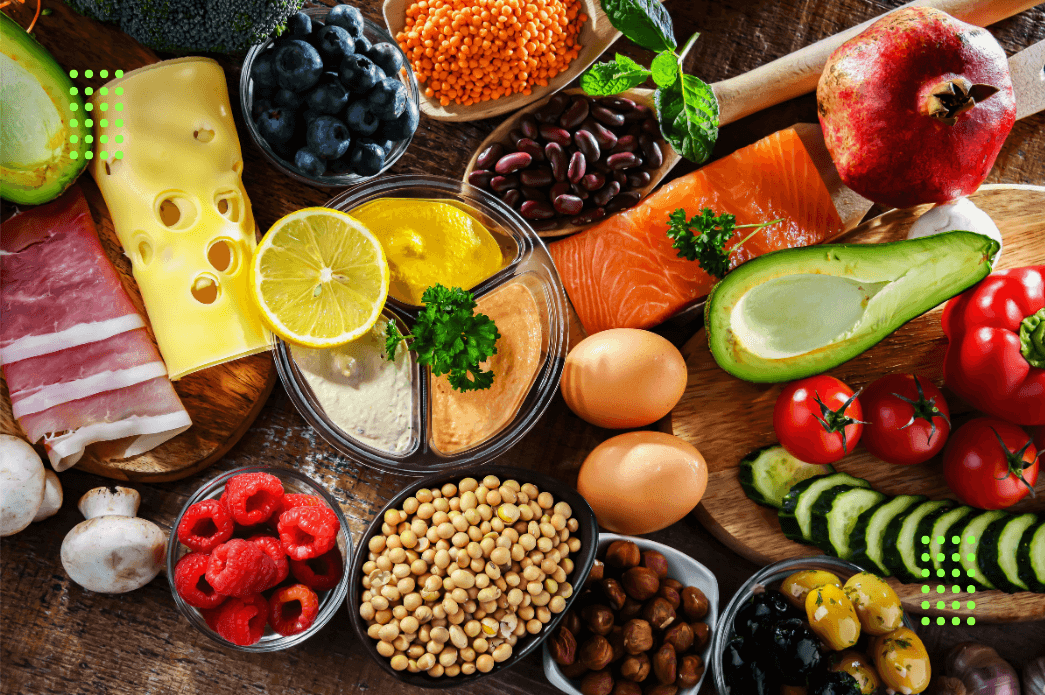
Excellent dietary sources include citrus fruits, strawberries, bell peppers, broccoli, Brussels sprouts, and kiwi. For those struggling to meet their needs through diet alone, supplementation can be beneficial, though it’s always best to consult with healthcare professionals before starting any supplementation regimen.
Vitamin D: The Sunshine Vitamin with Immune Powers ☀️
Once known primarily for its role in bone health, vitamin D has emerged as a crucial player in immune function. This unique nutrient acts more like a hormone than a traditional vitamin, with receptors found on most immune cells. Vitamin D enhances the pathogen-fighting effects of monocytes and macrophages—white blood cells that are critical components of immune defense—and decreases inflammation.
Studies have linked vitamin D deficiency to increased susceptibility to infections, particularly respiratory tract infections. During winter months when sunlight exposure is limited, vitamin D deficiency becomes particularly common. The body produces vitamin D when skin is exposed to sunlight, but factors like geographic location, skin pigmentation, sunscreen use, and age can affect this production.
Food sources include fatty fish like salmon and mackerel, egg yolks, and fortified products such as milk and cereals. Many experts recommend vitamin D supplementation, especially for those living in northern latitudes or with limited sun exposure, typically suggesting 1000-2000 IU daily for adults.
Vitamin A: The Infection-Fighter
Vitamin A plays a vital role in maintaining the health of your skin and mucosal cells, which line your respiratory, digestive, and urinary tracts. These tissues serve as your body’s first line of defense against pathogens. Beyond this barrier function, vitamin A is essential for the development and differentiation of white blood cells, particularly T-cells and B-cells, which coordinate immune responses.
There are two forms of vitamin A in foods: preformed vitamin A (retinol) found in animal products like liver, dairy, and fish, and provitamin A carotenoids (particularly beta-carotene) found in colorful fruits and vegetables like carrots, sweet potatoes, spinach, and mangoes. The recommended dietary allowance is 700-900 micrograms for adults.
Critical Minerals That Power Your Immune Response
Zinc: The Immune System’s Gatekeeper 🔑
Zinc is absolutely essential for immune cell development and communication, playing a crucial role in inflammatory response. This mineral is found in cells throughout your body and helps the immune system fight off invading bacteria and viruses. Zinc also helps create a protective barrier in your body’s tissues to prevent the entry of foreign pathogens.
Even mild zinc deficiency can impair immune function. Symptoms of deficiency include increased susceptibility to infections, slow wound healing, and loss of appetite. The recommended daily allowance is 8-11 mg for adults, though requirements may increase during pregnancy, lactation, or illness.
Excellent zinc sources include oysters (the richest source), red meat, poultry, beans, nuts, whole grains, and fortified cereals. Vegetarians and vegans may need to pay special attention to zinc intake, as plant-based sources are less readily absorbed by the body.
Selenium: The Antioxidant Mineral
Selenium is a powerful antioxidant that helps lower oxidative stress in your body, which reduces inflammation and enhances immunity. This trace mineral is essential for the proper functioning of selenoproteins, which act like antioxidants and help prevent cellular damage. Research indicates that selenium may enhance antiviral defense, improve outcomes in various diseases, and even reduce cancer risk.
Brazil nuts are exceptionally rich in selenium—just one or two nuts can provide your entire daily requirement of 55 micrograms. Other good sources include seafood, meat, poultry, eggs, and whole grains. However, be cautious with supplementation, as excessive selenium intake can be toxic.
Iron: The Oxygen Transporter with Immune Functions
While iron is best known for its role in oxygen transport through hemoglobin, it also plays a critical role in immune function. Iron is necessary for immune cell proliferation and maturation, particularly lymphocytes, which are associated with the generation of specific responses to infection. Additionally, iron is required for the production of enzymes that kill pathogens.
Interestingly, the relationship between iron and immunity is complex. Both iron deficiency and iron overload can negatively impact immune function. Iron deficiency is one of the most common nutritional deficiencies worldwide, affecting immune competence and increasing susceptibility to infections. Adults should aim for 8-18 mg daily, with higher requirements for menstruating women.
Dietary sources include red meat, poultry, seafood, beans, dark leafy greens, and fortified grains. Iron from animal sources (heme iron) is more readily absorbed than iron from plant sources (non-heme iron). Consuming vitamin C-rich foods alongside iron-rich plant foods can enhance absorption.
B Vitamins: The Energy and Immune Support Team
The B vitamin complex, including B6, B9 (folate), and B12, plays multiple roles in supporting immune health. Vitamin B6 is vital for biochemical reactions in the immune system, supporting the production of antibodies and maintaining the health of lymphoid organs. Folate is essential for DNA synthesis and cell division, processes critical for immune cell production. Vitamin B12 works alongside folate in these processes and is particularly important for maintaining healthy nerve cells and producing DNA.
Deficiencies in these B vitamins can lead to reduced antibody response and decreased numbers of white blood cells. Good sources include poultry, fish, potatoes, chickpeas, bananas, fortified cereals, and for B12 specifically, animal products and fortified plant-based alternatives. Vegetarians and vegans should pay special attention to B12, as it’s primarily found in animal products.
Synergistic Effects: Why Balance Matters ⚖️
While understanding individual micronutrients is important, recognizing their synergistic effects is equally crucial. Micronutrients don’t work in isolation—they interact with each other in complex ways that can either enhance or inhibit their absorption and function. For example, vitamin C enhances iron absorption from plant sources, while calcium can inhibit it. Vitamin D works together with vitamin K to support immune function and bone health.
This interconnectedness underscores the importance of obtaining nutrients from a varied, balanced diet rather than relying solely on individual supplements. Whole foods provide not just single nutrients but combinations of vitamins, minerals, fiber, and phytochemicals that work together to support health.
Practical Strategies to Optimize Your Micronutrient Intake 🥗
Building an Immune-Boosting Plate
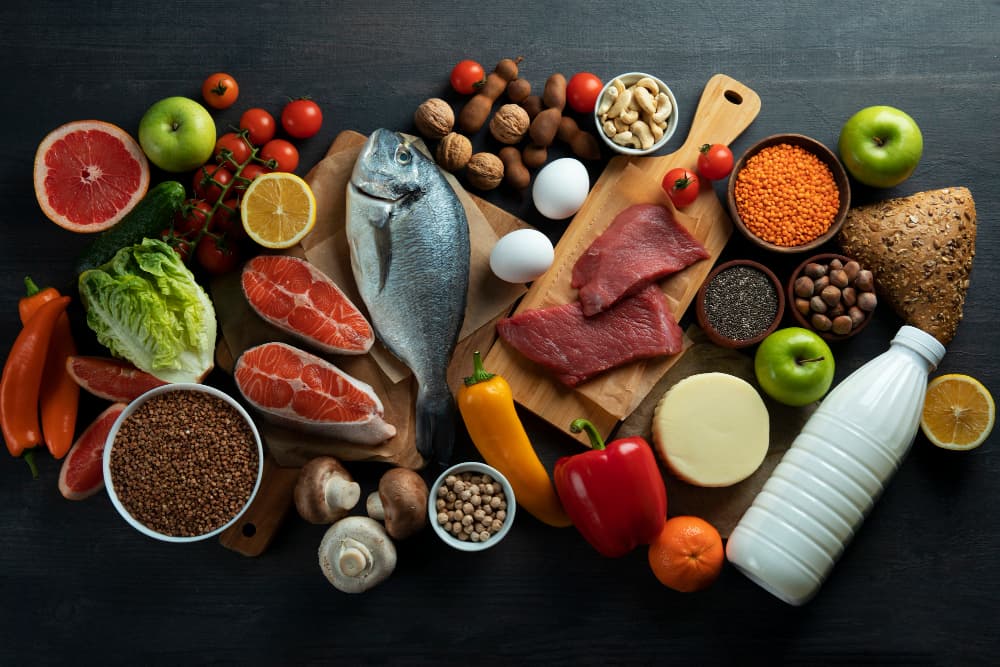
Creating meals that support immune health doesn’t require complicated recipes or expensive ingredients. Focus on including a variety of colorful fruits and vegetables, which provide different vitamins, minerals, and antioxidants. Aim to fill half your plate with vegetables and fruits, choosing different colors to maximize nutrient diversity. Include lean proteins like poultry, fish, beans, or tofu, which provide zinc, iron, and B vitamins. Add whole grains for selenium and B vitamins, and healthy fats from nuts, seeds, or olive oil to support the absorption of fat-soluble vitamins.
Smart Food Preparation Techniques
How you prepare food can significantly impact its nutrient content. Some vitamins, particularly vitamin C and certain B vitamins, are water-soluble and heat-sensitive, meaning they can leach into cooking water or degrade with prolonged cooking. To maximize nutrient retention, consider steaming vegetables instead of boiling them, using minimal water, and avoiding overcooking. Eating some vegetables raw can also help preserve heat-sensitive nutrients.
Conversely, some nutrients become more available through cooking. Lycopene in tomatoes and beta-carotene in carrots are better absorbed when these foods are cooked and consumed with a small amount of fat.
When Supplementation Makes Sense 💊
While a balanced diet should be your primary source of micronutrients, there are circumstances where supplementation is beneficial or necessary. These situations include documented deficiencies, specific life stages like pregnancy or older adulthood, dietary restrictions such as veganism, certain medical conditions that affect nutrient absorption, and periods of increased need like recovery from illness.
Before starting any supplement regimen, consult with a healthcare provider. They can assess your individual needs through blood tests and medical history, recommend appropriate dosages, and monitor for potential interactions with medications or other supplements. Remember that more isn’t always better—excessive intake of certain micronutrients can be harmful and may actually impair immune function.
Lifestyle Factors That Complement Micronutrient Support 🏃♀️
Even with optimal micronutrient intake, other lifestyle factors significantly influence immune function. Regular physical activity enhances immune surveillance and reduces inflammation. Quality sleep is crucial, as many immune functions are regulated by circadian rhythms and sleep allows for immune system recovery and regeneration. Chronic stress suppresses immune function, so implementing stress management techniques like meditation, yoga, or deep breathing exercises is important.
Adequate hydration supports all bodily functions, including immune responses. Limiting alcohol consumption is wise, as excessive alcohol can impair immune cell function and damage gut barrier integrity. Avoiding smoking is crucial, as it severely compromises multiple aspects of immune function.
Your Personalized Approach to Immune Health 🎯
Everyone’s nutritional needs are unique, influenced by age, sex, genetics, health status, activity level, and environmental factors. What works optimally for one person may not be ideal for another. This is why personalized nutrition is gaining attention as a more effective approach than one-size-fits-all recommendations.
Consider keeping a food diary to track your intake and identify potential gaps in your diet. Pay attention to how different foods make you feel and how often you get sick. If you frequently experience infections, fatigue, or slow wound healing, these could be signs of micronutrient deficiencies worth investigating with your healthcare provider.
Empowering Your Body’s Natural Defense System
Strengthening your immune system through proper micronutrient intake is one of the most powerful and accessible ways to protect your health. Unlike quick fixes or miracle cures, this approach works with your body’s natural mechanisms to build resilient, long-lasting defenses against disease.
By understanding the roles of essential vitamins and minerals, making informed food choices, and adopting supportive lifestyle practices, you take control of your immune health. Remember that building a strong immune system is not an overnight process but rather a commitment to consistent, healthy habits that compound over time.
Start today by assessing your current diet and identifying areas for improvement. Add one new immune-supporting food to your meals each week. Prioritize whole, minimally processed foods. Get adequate sleep and manage stress. These small, sustainable changes will collectively make a significant difference in how well your body defends itself against threats, helping you live a healthier, more vibrant life. Your immune system is your lifelong companion in health—nourish it well, and it will serve you faithfully.