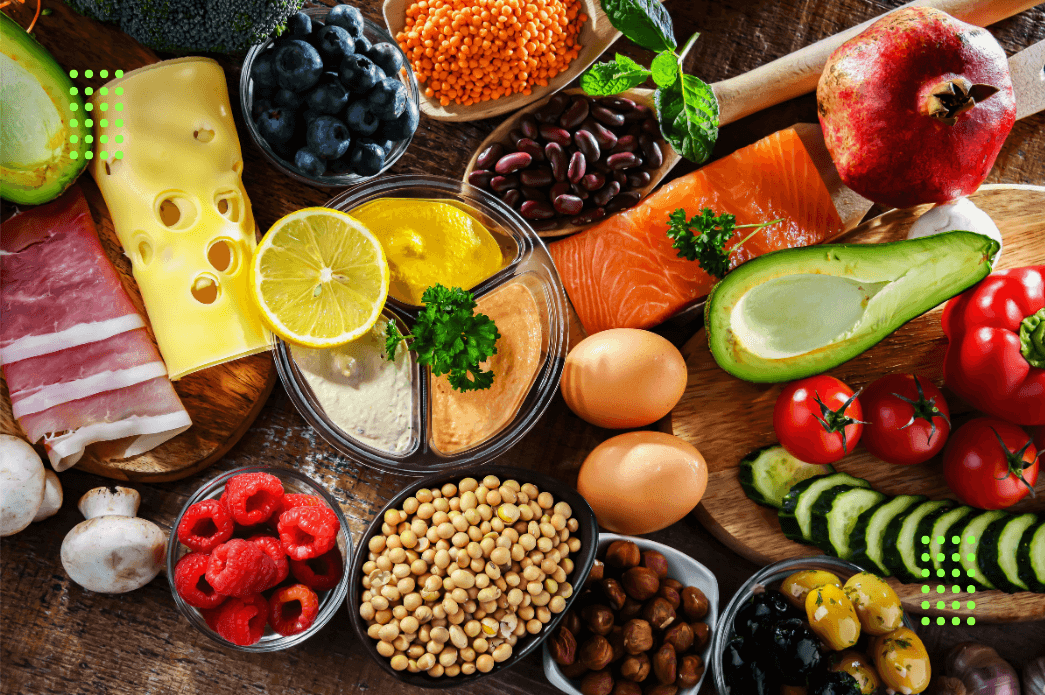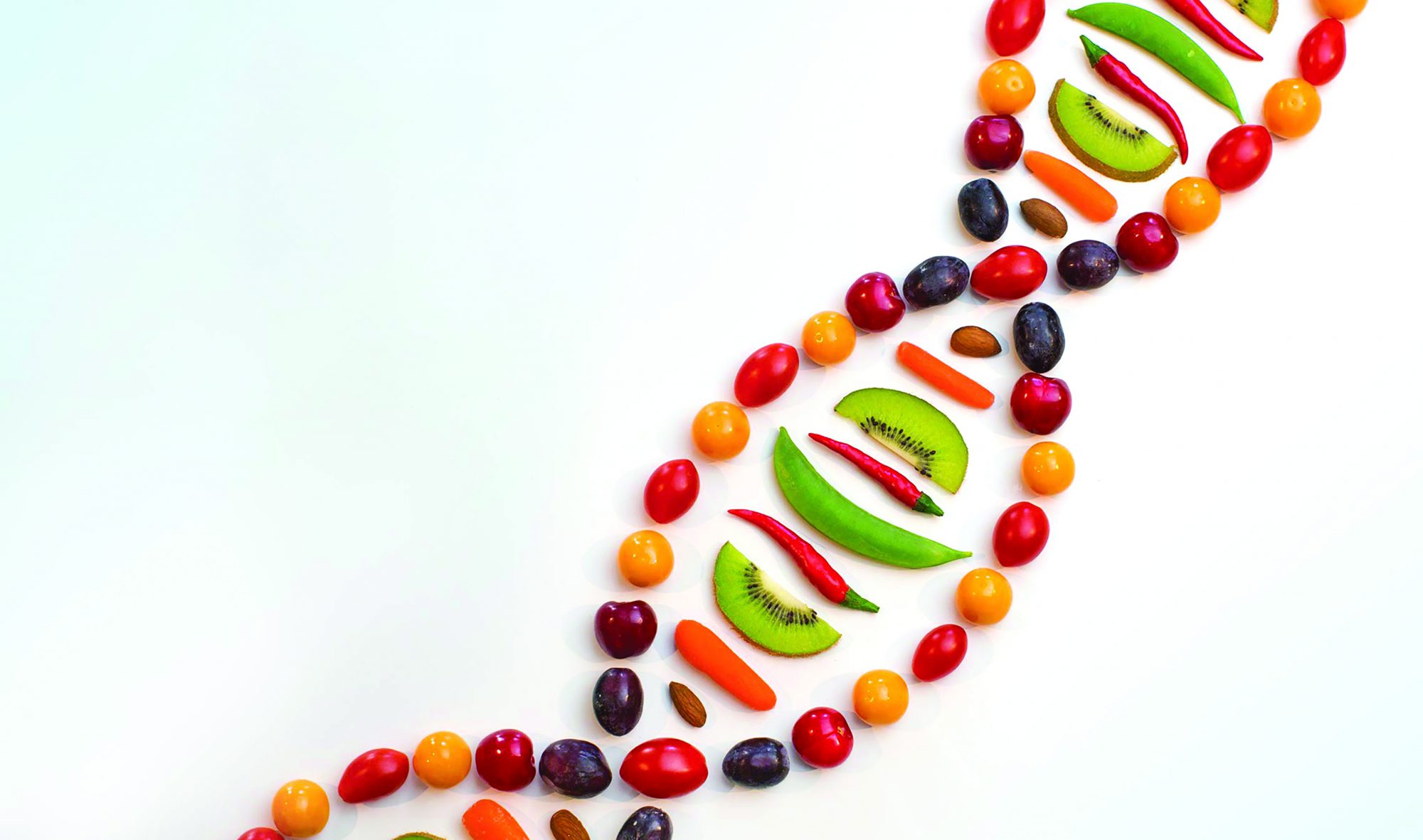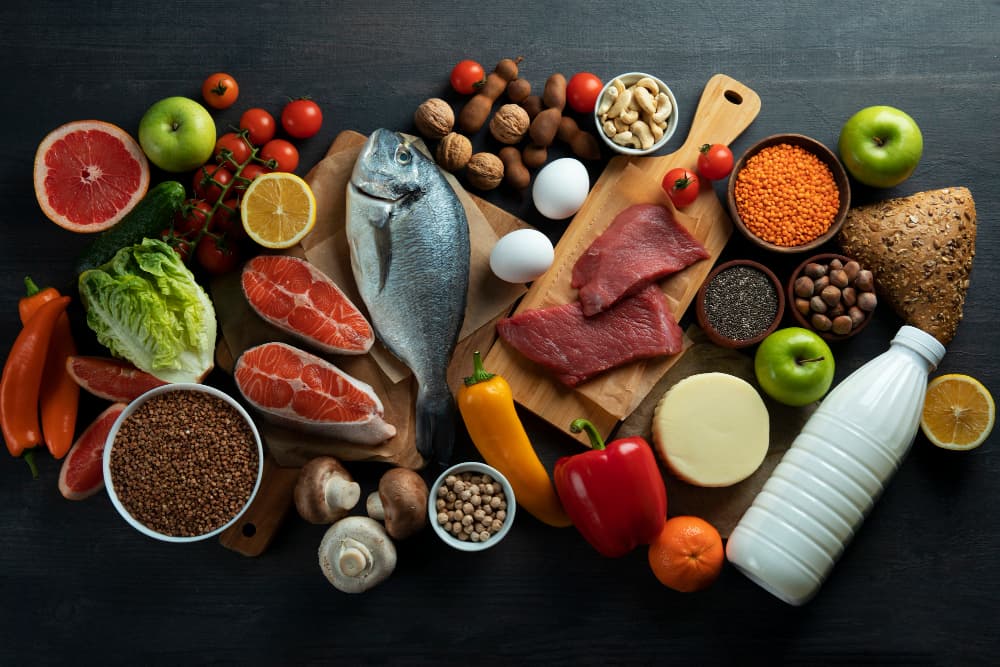
The future of nutrition is written in your DNA. Nutritional genomics is transforming how we approach diet, offering personalized eating plans based on your unique genetic blueprint.

🧬 The Science Behind Your Genetic Blueprint and Food
Every bite you take interacts with your genes in ways that scientists are only beginning to fully understand. Nutritional genomics, also known as nutrigenomics, explores the intricate relationship between your genetic makeup and how your body processes nutrients. This revolutionary field examines how specific genes influence your metabolism, nutrient absorption, and even your predisposition to certain health conditions based on dietary choices.
Your DNA contains approximately 20,000 genes, and variations in these genes, called single nucleotide polymorphisms (SNPs), can significantly impact how you respond to different foods. For instance, some people possess genetic variants that make them efficient caffeine metabolizers, while others process it slowly, leading to increased anxiety or sleep disturbances. Similarly, genetic differences affect how you absorb vitamins, process fats, metabolize carbohydrates, and even how hungry you feel after meals.
The interaction between genes and nutrients is bidirectional. While your genes influence how you process food, the nutrients you consume can also affect gene expression—a phenomenon known as nutrigenetics. This means that through strategic dietary choices, you can potentially activate beneficial genes and silence problematic ones, optimizing your health outcomes based on your unique genetic profile.
Why One-Size-Fits-All Diets Are Becoming Obsolete
Traditional dietary recommendations have long been based on population averages, assuming that what works for the majority will work for everyone. However, this approach fails to account for the vast genetic diversity among individuals. A diet that helps one person lose weight and feel energized might leave another person frustrated, fatigued, and unable to shed pounds despite following the same protocol precisely.
Research has repeatedly demonstrated that individual responses to identical diets can vary dramatically. Studies on weight loss interventions show that genetic variations can explain why some participants thrive on low-carb diets while others respond better to low-fat approaches. The same caloric intake and macronutrient distribution can produce wildly different results in different people, primarily due to genetic factors.
This personalization extends beyond weight management. Some individuals have genetic variants that increase their need for specific vitamins like folate, vitamin D, or B12. Others may have genes that affect their cholesterol response to dietary saturated fats, or variants that influence how effectively they convert plant-based omega-3s into the active forms their body needs. Understanding these genetic nuances allows for truly personalized nutrition that addresses your specific biological needs.
Key Genetic Variations That Influence Your Diet Response
Several well-researched genetic variations have profound impacts on nutritional needs and dietary responses. The MTHFR gene, for example, affects how your body processes folate, a B-vitamin crucial for DNA synthesis and repair. Individuals with certain MTHFR variants may require higher folate intake or supplementation with the active form, methylfolate, to maintain optimal health and reduce cardiovascular disease risk.
The FTO gene, often called the “obesity gene,” influences appetite regulation and energy expenditure. People with certain FTO variants tend to feel less satisfied after meals and may require specific dietary strategies to manage hunger effectively. Understanding your FTO status can help explain why you might struggle more with portion control compared to others and guide interventions that address this specific challenge.
Another significant gene is APOE, which affects cholesterol metabolism and cardiovascular disease risk. Individuals with the APOE4 variant, present in about 25% of the population, have heightened sensitivity to dietary saturated fat. For these individuals, reducing saturated fat intake can significantly lower cardiovascular risk, while those without this variant may have more dietary flexibility in this regard.
Lactose Intolerance and the LCT Gene 🥛
The LCT gene determines whether you maintain the ability to digest lactose into adulthood. While most humans historically lost this ability after weaning, genetic mutations in certain populations enabled continued lactase production. Your genetic variant determines whether dairy products will nourish you or cause digestive distress, informing whether you should include or avoid dairy in your personalized nutrition plan.
How DNA Testing Reveals Your Nutritional Blueprint
Accessing your genetic nutritional information has become remarkably straightforward. Direct-to-consumer genetic testing services now offer comprehensive nutritional genomics panels that analyze dozens to hundreds of genetic variants related to nutrition, metabolism, and dietary response. The process typically involves ordering a test kit, providing a saliva sample, and receiving detailed reports within weeks.
These reports examine various aspects of your genetic nutritional profile, including macronutrient metabolism, vitamin and mineral needs, food sensitivities, eating behavior tendencies, and exercise response. Advanced testing panels also evaluate genes related to detoxification capacity, antioxidant needs, and inflammatory responses to certain foods.
However, it’s crucial to understand that genetic testing provides probabilities and tendencies rather than definitive diagnoses. Your genes load the gun, but lifestyle and environment pull the trigger. A genetic predisposition doesn’t guarantee an outcome—it simply indicates increased risk or tendency that can be modified through targeted nutritional interventions.
Interpreting Your Genetic Data Responsibly
Working with qualified professionals who understand both genetics and nutrition is essential for proper interpretation of test results. Genetic counselors, physicians trained in genomic medicine, and registered dietitians with nutrigenomics certification can help translate raw genetic data into actionable dietary recommendations. They consider not just your genetic profile but also your current health status, lifestyle factors, preferences, and goals to create a truly personalized nutrition plan.
Practical Applications: From Genes to Your Plate 🍽️
Translating genetic information into daily dietary choices represents the practical power of nutritional genomics. If your genetic profile indicates poor conversion of beta-carotene to active vitamin A, you might prioritize animal-based vitamin A sources like liver, eggs, and fatty fish rather than relying solely on plant-based carotenoids. Similarly, if you carry variants affecting vitamin D receptor function, you might need higher supplementation doses than standard recommendations suggest.
For individuals with genetic variants affecting caffeine metabolism, timing and quantity of coffee consumption become important considerations. Slow caffeine metabolizers might limit intake to morning hours only and reduce overall consumption to avoid sleep disruption and cardiovascular stress. Fast metabolizers, conversely, might even experience protective cardiovascular benefits from moderate coffee consumption.
Athletes and fitness enthusiasts can leverage genetic insights about muscle fiber composition, recovery capacity, and injury risk to optimize their training and nutrition. Some genetic profiles indicate better performance with carbohydrate-rich fueling strategies, while others suggest fat-adapted approaches might yield superior results. Recovery nutrition can also be tailored based on genetic factors affecting inflammation and muscle protein synthesis.
Weight Management Through Genetic Insights ⚖️
Perhaps no area has generated more interest in nutritional genomics than weight management. Genetic testing can reveal why certain diets have failed you in the past and which approaches are most likely to succeed based on your biology. Research shows that when people follow genetically-matched diets, they typically lose 2-3 times more weight than those following mismatched approaches.
Your genes influence multiple aspects of weight regulation including basal metabolic rate, appetite hormones like leptin and ghrelin, fat storage patterns, and carbohydrate versus fat utilization during exercise. Some individuals have genetic profiles suggesting they’ll respond best to lower carbohydrate approaches, while others thrive on higher carbohydrate, lower fat diets. Still others benefit most from balanced macronutrient distributions with emphasis on meal timing and frequency.
Beyond macronutrient ratios, genetics also affects behavioral aspects of eating. Variants in genes like DRD2 and ANKK1 influence dopamine signaling, affecting reward responses to food and susceptibility to emotional eating. Understanding these tendencies allows for targeted behavioral strategies alongside dietary modifications, addressing the psychological dimensions of eating that often derail well-intentioned nutrition plans.
Disease Prevention Through Personalized Nutrition
One of the most compelling applications of nutritional genomics is disease prevention. By identifying genetic predispositions early, you can implement targeted dietary strategies that significantly reduce risk for conditions including cardiovascular disease, type 2 diabetes, certain cancers, and neurodegenerative disorders. This proactive approach represents true preventive medicine, addressing vulnerabilities before disease manifests.
For cardiovascular health, genetic testing can identify variants affecting cholesterol metabolism, blood pressure regulation, and inflammatory responses. Individuals with specific APOE or PCSK9 variants might benefit from particularly aggressive dietary approaches to cholesterol management, including increased fiber intake, plant sterol consumption, and limited saturated fat. Those with genetic hypertension risk might prioritize potassium-rich foods, reduce sodium more strictly, and increase nitrate-containing vegetables that support healthy blood pressure.
Type 2 diabetes risk is also significantly influenced by genetic factors that interact with diet. Variants in genes like TCF7L2 affect insulin secretion and glucose metabolism. Individuals carrying high-risk variants can implement preventive dietary strategies including lower glycemic index food choices, increased fiber consumption, specific meal timing protocols, and strategic exercise timing to optimize insulin sensitivity despite genetic vulnerabilities.
Inflammation and Immune Function 🛡️
Chronic inflammation underlies numerous diseases, and genetic variations significantly influence inflammatory responses to different foods. Some individuals carry variants in genes like IL-6 or TNF-alpha that predispose them to heightened inflammatory responses. For these people, anti-inflammatory dietary patterns emphasizing omega-3 fatty acids, colorful plant foods rich in polyphenols, and limited processed foods become particularly important for long-term health.
The Limitations and Ethical Considerations
While nutritional genomics offers exciting possibilities, it’s important to maintain realistic expectations. Genetics typically accounts for 20-30% of disease risk and health outcomes, with lifestyle, environment, and epigenetic factors playing equally significant roles. Your genetic profile is not your destiny—it’s one piece of information that, combined with other factors, guides optimal choices.
Privacy concerns surrounding genetic data remain significant. Before pursuing genetic testing, understand how companies store, protect, and potentially share your genetic information. Review privacy policies carefully, and consider the implications of genetic data being accessible to insurance companies, employers, or other entities. Legislation protecting genetic privacy varies by country and continues to evolve.
The field itself is still maturing, with ongoing research continually refining our understanding of gene-nutrient interactions. Current recommendations based on nutritional genomics represent our best current understanding but may be updated as science advances. Additionally, most research has been conducted in populations of European ancestry, meaning recommendations may be less accurate for individuals from other backgrounds until more diverse genetic research is conducted.
The Future of Eating: Integration and Accessibility
As technology advances and costs decrease, nutritional genomics is becoming increasingly accessible to mainstream consumers. What once required expensive laboratory testing and specialized medical interpretation is now available through consumer-friendly platforms that provide actionable recommendations alongside genetic analysis. This democratization of personalized nutrition represents a significant shift in healthcare from reactive treatment to proactive optimization.
Integration with other health technologies amplifies the power of genetic insights. When genetic information is combined with continuous glucose monitoring, microbiome analysis, metabolomics, and wearable fitness tracking, a comprehensive picture of your unique biology emerges. This multi-layered approach enables unprecedented personalization, moving beyond genetics alone to incorporate real-time feedback about how your body responds to dietary interventions.
Artificial intelligence and machine learning are accelerating progress in translating complex genetic data into practical recommendations. Advanced algorithms can identify patterns across thousands of genetic variants, environmental factors, and health outcomes to generate highly personalized nutrition protocols that would be impossible to create through manual analysis. As these technologies mature, the precision and effectiveness of DNA-based diets will continue improving.
Taking Action: Your Personalized Nutrition Journey 🚀
If you’re interested in exploring nutritional genomics, start by researching reputable testing companies that offer comprehensive nutritional panels with transparent methodologies and strong privacy protections. Look for services that provide access to qualified professionals who can help interpret results rather than just raw data. Some leading options include companies specializing specifically in nutrition-focused genetic testing rather than general ancestry or health screening services.
Once you receive your results, resist the temptation to make dramatic, sudden dietary changes. Work with a qualified professional to develop a gradual implementation plan that addresses your most significant genetic considerations first. Monitor how you feel and consider tracking relevant biomarkers through follow-up laboratory testing to assess whether genetic-based interventions are producing desired outcomes.
Remember that genetic information should complement, not replace, other aspects of healthy eating. Fundamental nutrition principles—eating predominantly whole foods, maintaining appropriate caloric balance, consuming adequate fiber and micronutrients, staying hydrated, and practicing mindful eating—remain important regardless of your genetic profile. Nutritional genomics refines and optimizes these basics rather than replacing them.
Empowering Health Through Genetic Knowledge
Nutritional genomics represents a paradigm shift from universal dietary guidelines to truly personalized nutrition. By understanding how your unique genetic blueprint interacts with food, you can make informed choices that align with your biology rather than fighting against it. This knowledge empowers you to stop the frustrating cycle of trying diets that don’t work for your body and instead invest energy in approaches scientifically matched to your genetic profile.
The revolution in personalized DNA-based diets is just beginning. As research expands, testing becomes more comprehensive, and interpretation tools improve, the precision and effectiveness of genetic-based nutrition recommendations will continue advancing. Early adopters of this technology are already experiencing benefits that include easier weight management, enhanced energy levels, reduced disease risk, and improved overall wellbeing.
Your genes have been with you since conception, silently influencing how your body processes every meal. Nutritional genomics finally gives you the ability to understand this influence and work with your genetics rather than against them. Whether your goal is weight loss, disease prevention, athletic performance, or simply feeling your best, unlocking your genetic potential through personalized nutrition offers a powerful tool for achieving optimal health tailored specifically to you.
The science is clear: we are not all the same when it comes to nutrition. Your friend’s successful diet might be completely wrong for your body, and that’s not a personal failure—it’s biology. By embracing nutritional genomics and the personalized approach it enables, you can finally stop guessing and start knowing what your unique body truly needs to thrive. The future of nutrition is personalized, precise, and written in your DNA.