
Gene editing stands at the frontier of medical innovation, promising revolutionary changes in how we approach disease prevention and human health optimization. 🧬

The landscape of preventive medicine is undergoing a profound transformation as scientists unlock the ability to modify human DNA with unprecedented precision. Technologies like CRISPR-Cas9 have evolved from laboratory curiosities into powerful clinical tools that could eliminate hereditary diseases before they manifest. Yet this remarkable capability brings with it a cascade of ethical questions that society must address thoughtfully and comprehensively.
As we venture deeper into the genomic age, the conversation around gene editing extends far beyond scientific feasibility. It touches upon fundamental aspects of human identity, social justice, and our collective vision for humanity’s future. The decisions we make today about how, when, and why we edit human genes will ripple through generations, shaping not just individual lives but the very fabric of human existence.
The Scientific Foundation of Gene Editing in Prevention 🔬
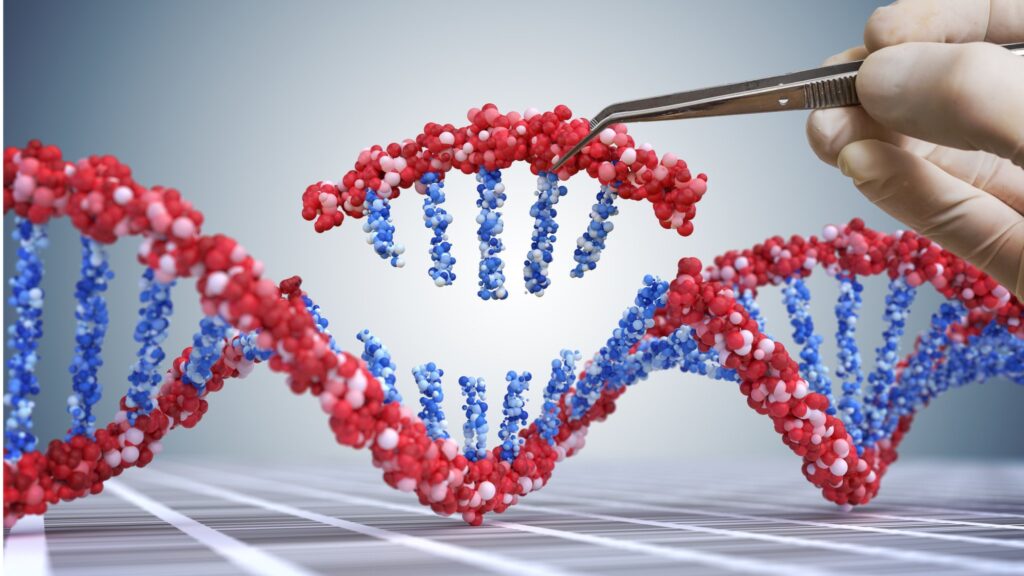
Gene editing technologies have progressed remarkably since the discovery of CRISPR-Cas9 in 2012. This molecular scissors allows researchers to cut DNA at specific locations, enabling the addition, removal, or alteration of genetic material with extraordinary accuracy. The implications for preventive care are staggering—imagine identifying a genetic predisposition to Alzheimer’s disease or certain cancers and correcting the problematic genes before symptoms ever appear.
Current applications focus primarily on somatic cell editing, which affects only the individual receiving treatment without passing changes to future generations. Scientists have successfully used these techniques to treat sickle cell disease, certain forms of blindness, and various genetic disorders. These therapeutic interventions represent the conservative end of the gene editing spectrum, addressing clear medical needs with minimal ethical controversy.
However, the technology’s potential extends much further. Germline editing—modifying eggs, sperm, or embryos—would create heritable changes that cascade through family lines indefinitely. This capability opens possibilities for eliminating genetic diseases entirely from certain populations, but it also raises profound questions about consent, unintended consequences, and the definition of disease itself.
Promise and Possibilities in Preventive Healthcare 💡
The preventive potential of gene editing technologies cannot be overstated. Hereditary conditions that have plagued families for generations could potentially be eradicated. Huntington’s disease, cystic fibrosis, muscular dystrophy, and thousands of other genetic disorders might become medical history rather than ongoing tragedies.
Beyond single-gene disorders, researchers are exploring polygenic conditions—those influenced by multiple genes—such as heart disease, diabetes, and certain mental health conditions. While more complex, these conditions collectively affect far more people than rare genetic diseases. Successfully addressing even a fraction of these predispositions could transform public health outcomes and dramatically reduce healthcare costs.
The personalized medicine revolution amplifies these possibilities. By combining gene editing with advanced diagnostic capabilities and artificial intelligence, healthcare providers could develop individualized prevention strategies tailored to each person’s unique genetic profile. This precision approach could optimize health outcomes while minimizing unnecessary interventions and treatments.
Navigating the Ethical Minefield ⚖️
Despite the compelling medical benefits, gene editing in preventive care raises ethical concerns that demand careful consideration. The technology’s power to alter human biology at its most fundamental level challenges our understanding of autonomy, consent, and human dignity.
The Consent Conundrum
Perhaps the most vexing ethical challenge involves consent, particularly regarding germline editing. When we modify an embryo’s genes, we make irreversible decisions affecting that individual and all their descendants without their permission. This raises profound questions about parental authority versus individual autonomy. Do parents have the right to make permanent genetic decisions for their children? Where do we draw the line between therapeutic intervention and enhancement?
Even in somatic editing for adults, consent becomes complicated when we consider long-term effects that may not be fully understood. How can individuals provide truly informed consent when the complete consequences of genetic modifications might not manifest for decades? The precautionary principle suggests we should proceed cautiously, yet delaying treatments could condemn people to preventable suffering.
Defining Disease and Normalcy
Gene editing forces us to confront uncomfortable questions about what constitutes a disease worth preventing. While most would agree that eliminating fatal genetic disorders represents ethical medicine, the boundaries become murky quickly. Is deafness a condition requiring prevention, or a cultural identity worth preserving? What about genetic variants that increase disease risk but don’t guarantee illness?
The slippery slope from therapy to enhancement looms large in these discussions. Once we accept editing genes to prevent disease, what prevents the technology’s use for enhancement—increasing intelligence, athletic ability, or physical appearance? The distinction between treatment and improvement may seem clear in principle but proves challenging in practice.
Justice, Access, and Inequality Concerns 🌍
The distribution of gene editing technologies presents serious justice considerations. These cutting-edge treatments will likely be expensive initially, potentially available only to wealthy individuals and nations. This creates risk of exacerbating existing health disparities and creating new forms of genetic inequality.
If gene editing becomes a privilege of the affluent, we could witness the emergence of a genetic divide—populations with access to preventive genetic enhancements versus those without. Such stratification could entrench social inequalities in biology itself, creating lasting disadvantages that transcend traditional socioeconomic barriers.
Global perspectives add additional complexity. Different cultures, religions, and ethical frameworks approach gene editing with varying levels of acceptance. Western secular bioethics may reach different conclusions than religious traditions or non-Western philosophical systems. Developing international consensus while respecting cultural diversity represents a formidable challenge for the global community.
Healthcare Systems and Resource Allocation
Even assuming equitable access, gene editing raises questions about healthcare resource allocation. Should limited medical resources fund expensive preventive genetic interventions, or would those resources achieve greater public health benefit through traditional preventive measures like vaccination, sanitation, and nutrition programs?
The cost-benefit analysis becomes particularly complex when considering quality-adjusted life years (QALYs) and the value of preventing disease versus treating it. Gene editing might eliminate certain conditions entirely, but at what economic and opportunity cost to other healthcare priorities?
Regulatory Frameworks and Governance Challenges 📋
Effective governance of gene editing technologies requires balancing innovation with safety, individual liberty with collective welfare, and national sovereignty with international cooperation. Current regulatory approaches vary dramatically across jurisdictions, creating potential for regulatory arbitrage and “gene editing tourism.”
Some countries have embraced relatively permissive frameworks encouraging research and clinical applications, while others maintain strict prohibitions. This patchwork creates challenges for developing consistent ethical standards and preventing potentially dangerous applications. The 2018 controversy surrounding He Jiankui’s creation of gene-edited babies in China highlighted the consequences of inadequate international governance.
Establishing Ethical Guardrails
Robust governance frameworks must address several key elements:
- Mandatory safety and efficacy standards before clinical application
- Transparent oversight mechanisms including ethics review boards
- Public engagement and democratic input into policy development
- International coordination to prevent regulatory races to the bottom
- Long-term monitoring of gene editing outcomes across generations
- Protection of genetic privacy and prevention of discrimination
These frameworks must remain adaptable as technology evolves while providing sufficient stability to guide research and clinical practice. Achieving this balance requires ongoing dialogue among scientists, ethicists, policymakers, and the public.
Religious and Cultural Perspectives 🕊️
Gene editing intersects with deeply held beliefs about human nature, creation, and our place in the universe. Various religious traditions offer different perspectives on the permissibility and wisdom of genetic modification.
Some religious viewpoints embrace gene editing as an extension of humanity’s mandate to heal and steward creation. They see preventing genetic disease as consistent with religious obligations to alleviate suffering. Others express concern that genetic modification represents hubris—humans inappropriately assuming God-like powers over life’s fundamental processes.
These theological considerations cannot be dismissed as merely sectarian concerns. They reflect fundamental questions about meaning, purpose, and value that extend beyond religious contexts. Even secular bioethics must grapple with questions of human nature and the appropriate limits of technological intervention.
The Psychology of Human Enhancement 🧠
Beyond physical health, gene editing raises fascinating questions about human psychology and wellbeing. Would eliminating genetic disease risks increase happiness and life satisfaction, or might it create new anxieties about genetic perfectionism? How would knowledge of one’s edited genes affect identity formation and self-concept?
Research in psychology suggests that humans adapt to both positive and negative circumstances, returning to baseline happiness levels relatively quickly. This hedonic adaptation might limit the psychological benefits of genetic enhancement while creating new sources of distress if edited individuals don’t achieve expected outcomes.
Social comparison processes could intensify if genetic enhancement becomes commonplace. Rather than feeling grateful for disease prevention, individuals might experience relative deprivation when comparing their genetic endowments to others. These psychological dynamics deserve consideration alongside physical health outcomes.
Environmental and Evolutionary Considerations 🌱
Gene editing’s effects extend beyond individual health to potential impacts on human evolution and genetic diversity. Widespread use of these technologies could reduce genetic variation in populations, potentially affecting species-level resilience to future challenges like emerging diseases or environmental changes.
Genetic diversity serves as humanity’s hedge against uncertainty. Traits considered disadvantageous in one context might prove beneficial in another. Sickle cell trait, for example, offers malaria resistance despite causing disease when inherited from both parents. Overzealous genetic optimization might eliminate variation we’ll later discover has value.
These concerns don’t necessarily argue against gene editing for serious diseases, but they counsel humility and caution about aggressive genetic modification programs. We must acknowledge the limits of our knowledge and the possibility of unforeseen consequences.
Moving Forward Thoughtfully 🚀
The ethical implications of gene editing in preventive care cannot be resolved through simple formulas or absolute rules. Instead, they require ongoing dialogue, adaptive governance, and commitment to core values including human dignity, justice, and wellbeing.
Several principles should guide development and application of these technologies. First, prioritize serious medical need over enhancement. Focus initial applications on conditions causing significant suffering where benefits clearly outweigh risks. Second, ensure equitable access to prevent genetic stratification. Third, maintain transparency and public engagement in decision-making processes.
Additionally, we must invest in long-term monitoring and research to understand gene editing’s full implications. Establish international cooperation mechanisms to develop shared standards while respecting legitimate cultural differences. Create robust regulatory frameworks that protect safety without unnecessarily impeding beneficial innovation.
Embracing Complexity and Nuance 🎯
The conversation around gene editing benefits from nuance and attention to specific contexts rather than sweeping generalizations. The ethics of editing genes to prevent Tay-Sachs disease—a fatal condition causing infant suffering—differ substantially from editing for intelligence or appearance. Context matters enormously.
We should resist both uncritical enthusiasm and reflexive opposition. Gene editing offers genuine benefits for preventing suffering, but thoughtless application could create serious harms. The appropriate response involves careful evaluation of specific applications, robust oversight, and ongoing assessment of outcomes.
Public education and engagement represent crucial components of responsible development. Most people lack technical understanding of genetics and gene editing, yet democratic societies should involve citizens in decisions affecting fundamental aspects of human existence. Bridging the knowledge gap without oversimplifying complex issues presents a significant challenge.
The Human Future We’re Creating 🌟
Ultimately, decisions about gene editing in preventive care reflect our values, priorities, and vision for humanity’s future. These technologies give us unprecedented power to shape human biology, but power alone provides no guidance about how it should be used.
We stand at a pivotal moment in human history. The choices we make about genetic modification will influence not just current populations but countless future generations. This awesome responsibility demands wisdom, humility, and commitment to human flourishing in its fullest sense.
Gene editing’s potential to eliminate genetic disease and reduce suffering represents one of medicine’s most promising frontiers. Realizing this potential while avoiding serious pitfalls requires sustained attention to ethical implications, robust governance, equitable access, and recognition of the profound questions these technologies raise about human nature and destiny. By proceeding thoughtfully and maintaining focus on human dignity and wellbeing, we can harness gene editing’s benefits while minimizing risks and ethical concerns.
The journey ahead will be complex and challenging, demanding ongoing dialogue among diverse stakeholders and perspectives. Yet with careful attention to ethics alongside scientific progress, gene editing could become a powerful tool for preventing disease and promoting human flourishing across generations. The key lies not in rejecting the technology or embracing it uncritically, but in developing wisdom to guide its application toward genuinely beneficial ends that respect human dignity and promote justice for all.