
Your genes may be fixed, but how they express themselves is remarkably flexible. Epigenetics reveals how daily choices—what you eat, how you move, and how you manage stress—can literally rewrite your biological destiny without changing your DNA sequence.

🧬 The Revolutionary Science That Changed Everything We Knew About Genes
For decades, scientists believed our genetic code was our absolute destiny. If your parents had heart disease or diabetes, conventional wisdom suggested you were simply playing genetic roulette. But groundbreaking research in epigenetics has shattered this deterministic view, revealing a far more empowering reality.
Epigenetics—literally meaning “above genetics”—studies how environmental factors and lifestyle choices can turn genes on or off without altering the underlying DNA sequence. Think of your DNA as hardware and epigenetics as the software that determines which programs run and when. This software is constantly being rewritten based on the signals your body receives from your environment, diet, stress levels, sleep patterns, and social interactions.
The Human Genome Project, completed in 2003, initially promised to unlock all the secrets of human health and disease. Yet researchers discovered something unexpected: humans have roughly the same number of genes as far simpler organisms. The difference lies not in the genes themselves but in how they’re regulated and expressed—the domain of epigenetics.
Understanding the Epigenetic Mechanisms That Control Your Genes
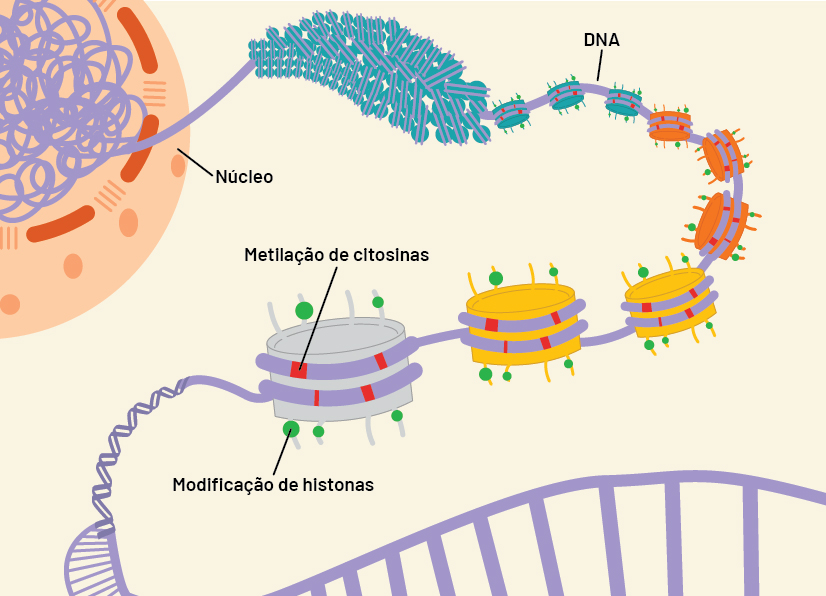
Epigenetic modifications work through several key mechanisms that act like molecular switches, controlling gene expression without changing the DNA sequence itself. The two primary mechanisms are DNA methylation and histone modification.
DNA methylation involves adding a methyl group (a carbon atom bonded to three hydrogen atoms) to specific DNA sequences, typically silencing gene expression. When methyl groups attach to genes, they essentially lock those genes in the “off” position, preventing them from being read and translated into proteins.
Histone modifications work differently. DNA wraps around proteins called histones, much like thread around a spool. Chemical modifications to these histones can either tighten or loosen this packaging, making genes more or less accessible for expression. Tight packaging silences genes, while loose packaging allows them to be actively transcribed.
The Epigenome: Your Body’s Command Center
Collectively, all these epigenetic marks throughout your genome constitute your epigenome—a dynamic landscape that responds continuously to environmental signals. Unlike your genome, which remains relatively stable throughout life, your epigenome is remarkably plastic and responsive to change.
What makes this particularly exciting is that many epigenetic changes are reversible. Poor lifestyle choices that create harmful epigenetic patterns can potentially be corrected through positive interventions. This represents a profound shift from genetic determinism to genetic potential.
🍎 Nutritional Choices: The Most Powerful Epigenetic Modifier
Perhaps no lifestyle factor influences your epigenome more dramatically than nutrition. Every meal you consume sends biochemical signals that can activate or suppress specific genes, influencing everything from inflammation levels to disease susceptibility.
Certain nutrients serve as direct building blocks for epigenetic modifications. Folate, vitamin B12, choline, and betaine all contribute methyl groups necessary for DNA methylation. Deficiencies in these nutrients can lead to abnormal methylation patterns associated with various diseases, including cancer, cardiovascular disease, and neurological disorders.
Foods That Support Healthy Epigenetic Expression
- Cruciferous vegetables: Broccoli, cauliflower, and Brussels sprouts contain sulforaphane, which influences histone modifications and activates detoxification genes
- Green tea: Rich in EGCG (epigallocatechin gallate), which inhibits enzymes that add methyl groups to DNA, potentially reversing harmful methylation patterns
- Berries: Packed with polyphenols that modulate epigenetic mechanisms and protect against oxidative stress
- Fatty fish: Omega-3 fatty acids influence gene expression related to inflammation and brain health
- Turmeric: Curcumin affects multiple epigenetic pathways, showing promise in cancer prevention
- Fermented foods: Support gut microbiome health, which produces metabolites that influence epigenetic regulation
The Mediterranean diet, repeatedly shown to promote longevity and disease prevention, works partly through favorable epigenetic modifications. Studies show this eating pattern positively influences genes related to inflammation, cellular aging, and metabolic health.
💪 Exercise: Rewriting Your Genetic Expression Through Movement
Physical activity doesn’t just build muscle and improve cardiovascular health—it fundamentally alters how your genes express themselves. Research shows that even a single exercise session can trigger epigenetic changes in muscle cells, fat cells, and throughout your body.
A landmark study from Sweden’s Karolinska Institute found that exercise causes immediate epigenetic changes in muscle tissue DNA, specifically in genes involved in energy metabolism and insulin response. These modifications help explain why exercise improves metabolic health beyond simple calorie burning.
Regular physical activity influences genes related to brain health as well. Exercise increases production of brain-derived neurotrophic factor (BDNF), a protein crucial for learning, memory, and mood regulation. This increase occurs partly through epigenetic modifications that make BDNF genes more accessible for expression.
The Intensity and Duration Question
Both high-intensity interval training and moderate steady-state exercise produce beneficial epigenetic changes, though they affect different genetic pathways. High-intensity exercise particularly influences genes related to mitochondrial function and cellular energy production, while endurance exercise affects genes controlling fat metabolism and cardiovascular adaptation.
The key insight: consistency matters more than perfection. Regular movement—whether walking, swimming, cycling, or dancing—consistently sends signals that promote healthy gene expression patterns.
😴 Sleep: The Nightly Epigenetic Reset
Sleep represents a critical period for epigenetic regulation and cellular repair. During quality sleep, your body performs essential epigenetic “housekeeping,” resetting gene expression patterns disrupted during waking hours.
Chronic sleep deprivation triggers harmful epigenetic changes in genes related to immune function, stress response, and metabolism. Research shows that even short-term sleep restriction (getting 6 hours instead of 8 for just one week) alters the expression of over 700 genes.
These changes affect genes controlling blood sugar regulation, inflammation, and circadian rhythms—helping explain why poor sleep increases risk for obesity, diabetes, cardiovascular disease, and cognitive decline. The concerning reality: these epigenetic disruptions can persist even after sleep patterns normalize, though they can eventually be reversed with sustained healthy sleep habits.
🧘 Stress, Mindfulness, and Epigenetic Resilience
Chronic psychological stress ranks among the most damaging influences on your epigenome. Persistent stress exposure causes epigenetic modifications that keep stress-response genes constantly activated, creating a vicious cycle of inflammation, accelerated aging, and disease vulnerability.
The stress hormone cortisol doesn’t just make you feel anxious—it directly influences epigenetic mechanisms, particularly affecting genes in the hypothalamic-pituitary-adrenal (HPA) axis that governs your stress response. Chronic elevation creates epigenetic changes that make this system hypersensitive, causing you to overreact to future stressors.
Meditation’s Molecular Impact
The good news: mindfulness practices and meditation produce measurable epigenetic changes that counteract stress damage. Studies on experienced meditators show altered expression in genes related to inflammation, circadian rhythms, and glucose metabolism—all in beneficial directions.
One fascinating study found that just eight hours of intensive mindfulness practice produced epigenetic changes in genes regulating inflammation and pain perception. Long-term meditators show even more pronounced differences, with epigenetic patterns suggesting enhanced stress resilience and slower biological aging.
🌍 Environmental Toxins: The Hidden Epigenetic Disruptors
Beyond lifestyle choices you actively make, passive environmental exposures significantly impact your epigenome. Industrial chemicals, air pollution, pesticides, and plastics contain compounds that interfere with normal epigenetic regulation.
Endocrine-disrupting chemicals like BPA (found in plastics) and phthalates (in personal care products) can alter DNA methylation patterns, particularly affecting genes related to hormone regulation, reproduction, and development. Concerningly, some of these changes can be transmitted to future generations through epigenetic inheritance.
Reducing exposure involves practical steps: choosing organic produce when possible, filtering drinking water, avoiding plastic food containers (especially when heating), selecting natural cleaning and personal care products, and ensuring good indoor air quality.
📊 Measuring Your Epigenetic Age
One of the most exciting developments in epigenetics is the ability to measure biological age—how old your body actually is at the cellular level—versus chronological age. This measurement relies on specific DNA methylation patterns that change predictably with age.
Scientists have developed “epigenetic clocks” that analyze methylation patterns across hundreds of specific sites in your genome. These clocks can reveal whether your biological age is younger or older than your calendar age, with significant health implications.
| Epigenetic Clock Type | What It Measures | Clinical Significance |
|---|---|---|
| Horvath Clock | Multi-tissue biological age | General aging across body systems |
| Hannum Clock | Blood-based biological age | Mortality risk and age-related disease |
| PhenoAge | Phenotypic biological age | Health span and disease risk |
| GrimAge | Mortality and health span | Most accurate predictor of lifespan |
Research shows that lifestyle interventions can actually reverse epigenetic age. A 2021 study demonstrated that a program combining diet, sleep, exercise, and stress management reduced participants’ biological age by an average of three years in just eight weeks—a remarkable demonstration of epigenetic plasticity.
🔬 Transgenerational Epigenetic Inheritance: Beyond Your Own Health
Perhaps the most profound implication of epigenetics is that your lifestyle choices may affect not just your own health but that of your children and even grandchildren. Certain epigenetic marks can be transmitted through egg and sperm cells, potentially passing acquired traits to future generations.
The Dutch Hunger Winter of 1944-1945 provided tragic but illuminating evidence. Children whose mothers experienced famine during pregnancy showed altered metabolism throughout life. Remarkably, these changes appeared in their children as well—the grandchildren of the original famine victims—despite never experiencing food scarcity themselves.
Animal studies provide even clearer evidence. Mice conditioned to fear a specific smell pass this fear to offspring who never encountered that smell, through epigenetic modifications in genes related to odor detection. These findings fundamentally challenge the Darwinian assumption that acquired characteristics cannot be inherited.
🎯 Practical Strategies for Optimizing Your Epigenome
Understanding epigenetics is empowering only when translated into action. The following evidence-based strategies can help optimize your epigenetic expression:
Start with nutrition: Prioritize whole foods rich in methylation nutrients. Include dark leafy greens, legumes, nuts, seeds, and diverse colorful vegetables. Reduce processed foods, excess sugar, and inflammatory fats that promote harmful epigenetic changes.
Move consistently: Aim for 150 minutes of moderate activity or 75 minutes of vigorous activity weekly, plus resistance training twice weekly. Remember that consistency outweighs intensity—regular movement is key.
Prioritize sleep quality: Maintain consistent sleep-wake times, create a dark cool sleeping environment, and aim for 7-9 hours nightly. Sleep represents non-negotiable time for epigenetic restoration.
Develop stress resilience: Establish a regular mindfulness or meditation practice, even if just 10 minutes daily. Consider yoga, tai chi, or other mind-body practices that demonstrably improve epigenetic stress markers.
Minimize toxic exposures: Choose organic when practical, filter water, avoid plastic food containers, and select natural personal care products. Small reductions in toxic burden accumulate significantly over time.
Cultivate social connections: Loneliness and social isolation create harmful epigenetic changes in immune and stress-response genes. Prioritize meaningful social engagement and community connection.
🚀 The Future of Personalized Epigenetic Medicine
Epigenetics is revolutionizing medicine, moving us toward truly personalized prevention and treatment. Unlike your genome, which provides static information, your epigenome offers a dynamic picture of current health status and disease risk that responds to intervention.
Emerging epigenetic therapies show promise for conditions once considered untreatable. Drugs targeting epigenetic enzymes are already approved for certain cancers, essentially reprogramming cancer cells by altering their epigenetic patterns. Similar approaches are being developed for neurological disorders, autoimmune diseases, and metabolic conditions.
Direct-to-consumer epigenetic testing is becoming available, allowing individuals to assess their biological age and track how lifestyle interventions affect it. While still evolving, these tools offer unprecedented insight into how daily choices translate into cellular-level changes.
🌟 Embracing Your Epigenetic Potential
Epigenetics delivers a liberating message: you are not imprisoned by your genes. While you cannot change your DNA sequence, you possess remarkable power to influence which genes express themselves and how intensely. Your daily choices—what you eat, how you move, how you sleep, how you manage stress—continuously rewrite your biological story.
This knowledge comes with responsibility. You can no longer attribute health entirely to genetic luck or unluck. Your genes may load the gun, as the saying goes, but your lifestyle pulls the trigger. Conversely, even disadvantageous genetic variants can often be compensated for through optimal epigenetic regulation.
The epigenetic revolution represents a fundamental shift from passive acceptance of genetic destiny to active participation in genetic expression. It validates what traditional healing systems have long recognized: that lifestyle, environment, and mental state profoundly influence health. Now we understand the molecular mechanisms explaining these connections.
Start where you are. You don’t need perfect genetics or perfect lifestyle to benefit from epigenetic optimization. Small consistent changes accumulate into significant epigenetic shifts over time. Each healthy meal, each workout, each good night’s sleep, each meditation session sends signals that gradually reshape your gene expression toward health, resilience, and vitality.
Your genetic destiny is not predetermined—it’s a work in progress, continuously shaped by the life you choose to live. The power to influence your biological future, and potentially that of generations to come, lies in the everyday choices you make. Epigenetics has given us the scientific foundation to understand this power. How you use it is entirely up to you.