
Chronic pain and anxiety affect millions worldwide, leaving many searching for natural, effective relief. Yoga therapy offers a scientifically-backed approach combining mindful movement, breath work, and mental focus to address both conditions simultaneously.

🧘 Understanding Yoga Therapy: More Than Just Stretching
Yoga therapy represents a specialized application of yoga principles tailored to address specific health conditions. Unlike general yoga classes, therapeutic yoga involves personalized practices designed by trained professionals who understand both ancient yogic wisdom and modern medical science. This integrative approach recognizes that physical pain and emotional distress are deeply interconnected, requiring holistic treatment rather than isolated interventions.
The practice works on multiple levels simultaneously. Physically, it increases flexibility, strengthens muscles, and improves circulation. Mentally, it calms the nervous system and reduces stress hormones. Emotionally, it creates space for processing difficult feelings and building resilience. This multi-dimensional healing makes yoga therapy particularly effective for conditions where pain and anxiety overlap and reinforce each other.
The Science Behind Mindful Movement for Pain Relief
Research consistently demonstrates yoga’s effectiveness in managing chronic pain conditions. Studies published in journals like JAMA Internal Medicine and Pain Medicine show significant reductions in pain intensity among participants practicing therapeutic yoga regularly. The mechanisms behind these benefits involve both physiological and neurological changes.
When you practice yoga, your body releases endorphins—natural pain-relieving chemicals that create feelings of wellbeing. Simultaneously, gentle movements improve joint mobility and muscle flexibility, reducing mechanical sources of pain. The mindful attention required during practice also activates brain regions associated with pain modulation, essentially changing how your nervous system processes pain signals.
Additionally, yoga reduces inflammation markers in the body, including cytokines and cortisol. Chronic inflammation contributes significantly to pain conditions like arthritis, fibromyalgia, and lower back pain. By addressing inflammation at its source, yoga therapy provides lasting relief rather than temporary symptom management.
🌬️ Breath Work: Your Built-In Anxiety Relief System
Pranayama, or yogic breathing techniques, stands as one of the most powerful yet underutilized tools for anxiety management. Your breath directly influences your autonomic nervous system—the control center for stress responses. Shallow, rapid breathing signals danger to your brain, triggering fight-or-flight responses. Deep, controlled breathing activates the parasympathetic nervous system, promoting relaxation and calm.
Simple techniques like diaphragmatic breathing can reduce anxiety symptoms within minutes. By breathing deeply into your belly rather than shallowly into your chest, you stimulate the vagus nerve, which runs from your brain stem to your abdomen. This stimulation decreases heart rate, lowers blood pressure, and creates feelings of safety and relaxation.
Other effective breathing practices include alternate nostril breathing (Nadi Shodhana), which balances the nervous system, and extended exhale breathing, which emphasizes longer exhalations to maximize relaxation responses. These techniques require no equipment, cost nothing, and can be practiced anywhere—making them incredibly practical anxiety management tools.
Key Yoga Poses for Pain Management
Certain yoga postures specifically target common pain conditions. These poses work by releasing muscle tension, improving alignment, and increasing blood flow to affected areas. Here are some particularly effective options:
- Child’s Pose (Balasana): Gently stretches the lower back, hips, and thighs while promoting relaxation and stress relief.
- Cat-Cow Stretch (Marjaryasana-Bitilasana): Mobilizes the spine, relieves back tension, and improves posture through gentle flowing movement.
- Legs-Up-The-Wall (Viparita Karani): Reduces swelling in legs and feet, calms the nervous system, and relieves lower back discomfort.
- Supine Twist (Supta Matsyendrasana): Releases spinal tension, massages internal organs, and stretches the shoulders and back.
- Bridge Pose (Setu Bandhasana): Strengthens the back muscles, opens the chest, and alleviates back and neck pain.
- Corpse Pose (Savasana): Allows complete relaxation, integrates the benefits of practice, and calms the mind.
The key to pain management through yoga is consistency and gentleness. Never force yourself into positions that create sharp pain. Instead, work within your comfortable range and gradually expand your capacity over time. This patient approach prevents injury and builds sustainable healing.
💆 Mindfulness Meditation: Changing Your Relationship with Discomfort
Mindfulness—the practice of present-moment awareness without judgment—fundamentally transforms how you experience both pain and anxiety. Rather than fighting against uncomfortable sensations or spiraling into anxious thoughts, mindfulness teaches you to observe experiences with curiosity and acceptance.
This doesn’t mean resignation or giving up on feeling better. Instead, mindfulness reduces the suffering that comes from resisting reality. Pain and anxiety both intensify when we tense against them, worry about them, or catastrophize about what they mean. By learning to stay present with sensations and thoughts without adding layers of story and emotion, you discover that discomfort becomes more manageable.
Neuroscience research shows that regular mindfulness practice actually changes brain structure. It increases gray matter density in regions associated with emotional regulation and decreases activity in the amygdala, the brain’s fear center. These physical changes translate into genuine improvements in how you handle stress and discomfort in daily life.
Creating Your Personal Yoga Therapy Practice
Starting a yoga therapy practice doesn’t require expensive equipment or studio memberships. Begin with just 10-15 minutes daily in a quiet space at home. Consistency matters more than duration—regular short practices produce better results than occasional long sessions.
Consider your specific needs when designing your practice. If mornings find you stiff and painful, gentle morning stretches can ease you into the day. If anxiety peaks in the afternoon, a midday breathing practice can reset your nervous system. Evening practices focusing on relaxation help improve sleep quality, which affects both pain and anxiety levels.
Track your progress not through flexibility or perfection, but through subjective improvements in wellbeing. Notice whether you’re sleeping better, experiencing fewer anxiety episodes, or finding daily activities less painful. These real-world changes matter more than achieving advanced poses.
🩺 Integrating Yoga Therapy with Medical Treatment
Yoga therapy works best as part of a comprehensive treatment plan rather than as a replacement for medical care. Always inform your healthcare providers about your yoga practice, especially if you have specific conditions like herniated discs, osteoporosis, or cardiovascular issues.
Many physicians now actively recommend yoga therapy as complementary treatment. It often reduces medication needs, improves surgical outcomes, and enhances the effectiveness of other therapies like physical therapy or counseling. This integrative approach addresses health from multiple angles simultaneously.
If you’re managing chronic conditions, consider working with a certified yoga therapist (C-IAYT) who has specialized training in adapting practices for therapeutic purposes. These professionals can create customized programs addressing your specific needs while respecting your limitations and medical considerations.
Overcoming Common Obstacles to Practice
Many people abandon yoga before experiencing its full benefits due to misconceptions or practical challenges. Understanding these obstacles helps you navigate them successfully.
One common barrier is the belief that you must be flexible to practice yoga. This misunderstanding keeps many people who would benefit most from yoga from even trying. The truth is that yoga makes you flexible—you don’t need flexibility to start. Every practice works with your current capacity, gradually expanding your range of motion over time.
Time constraints present another challenge. However, even five minutes of mindful breathing or gentle stretching provides benefits. Rather than waiting for the perfect 60-minute window, incorporate micro-practices throughout your day. A few conscious breaths at your desk, a standing stretch while waiting for coffee, or a brief meditation before bed all contribute to your wellbeing.
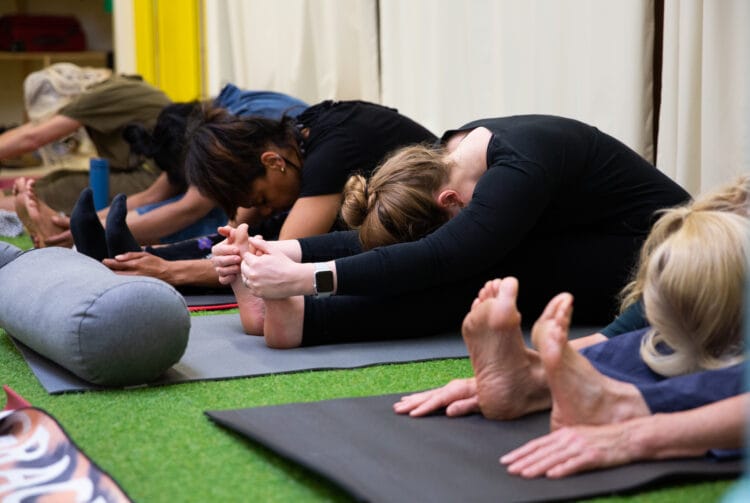
Physical limitations or pain flares might seem to prevent practice, but yoga therapy specifically addresses these challenges. Props like blocks, straps, and bolsters make poses accessible regardless of flexibility or strength. Chair yoga offers full practices for those with mobility limitations. The key is adaptation rather than abandonment.
🌟 The Mind-Body Connection in Healing
Yoga therapy’s effectiveness stems largely from its recognition that mind and body aren’t separate entities but interconnected aspects of one system. Chronic pain changes brain structure and function, making you more sensitive to pain signals. Anxiety creates physical tension that exacerbates pain conditions. This bidirectional relationship means that addressing either aspect influences the other.
When you practice yoga, you’re simultaneously treating both dimensions. Physical postures release muscular tension while building body awareness. This awareness helps you notice stress accumulation earlier, before it manifests as pain or anxiety symptoms. You learn to recognize subtle signals and respond proactively rather than reactively.
The practice also builds interoception—your ability to sense internal body states. Enhanced interoception helps you distinguish between different types of pain, recognize anxiety’s early physical signs, and respond appropriately to your body’s needs. This skill proves invaluable for long-term self-management of chronic conditions.
Building Sustainable Long-Term Relief
Unlike quick fixes that provide temporary symptom suppression, yoga therapy cultivates lasting changes in how your body and mind function. This sustainable approach requires patience but delivers enduring results.
In the first weeks of practice, you might notice immediate post-session relief—reduced muscle tension, calmer thoughts, improved mood. These acute effects motivate continued practice. After several months, structural changes emerge: improved posture, greater flexibility, enhanced stress resilience, and reduced baseline anxiety.
Long-term practitioners often report transformation in their entire relationship with health. Rather than viewing their bodies as broken machines needing external fixes, they develop trust in their innate healing capacity. This shift from passive patient to active participant in health creates empowerment and reduces the helplessness that often accompanies chronic conditions.
🧘♀️ Advanced Techniques for Experienced Practitioners
As your practice deepens, you can explore more sophisticated yoga therapy techniques. Yoga Nidra, a guided meditation practice sometimes called “yogic sleep,” produces profound relaxation that helps reset pain sensitivity and calm anxious nervous systems.
Pranayama practices can become more nuanced, incorporating breath retention (kumbhaka) and specific ratios of inhalation to exhalation. These advanced techniques offer powerful nervous system regulation but should be learned under qualified guidance to ensure safe, effective practice.
Mantra meditation, using repeated sounds or phrases, provides another dimension of practice. The vibration of mantras affects both psychological state and physical body, offering additional pathways for pain and anxiety relief.
Creating Supportive Practice Environments
Your practice environment significantly impacts your experience and consistency. Designate a specific space—even just a corner of a room—for yoga therapy. This physical anchoring creates psychological association, making it easier to settle into practice mode.
Consider lighting, temperature, and sound in your practice space. Soft lighting, comfortable temperature, and minimal distractions support relaxation and focus. Some practitioners benefit from calming music or nature sounds, while others prefer silence. Experiment to discover what works best for you.
Props enhance both comfort and effectiveness. Basic items include a yoga mat for cushioning, blocks for support in poses, a strap for increasing reach, and blankets or bolsters for restorative postures. These tools aren’t luxuries—they make practices accessible and therapeutic.
💪 Empowerment Through Self-Care Practice
Perhaps yoga therapy’s greatest gift is the empowerment that comes from active self-care. Chronic pain and anxiety often create feelings of helplessness—the sense that your body has betrayed you and only external interventions can help. Yoga therapy returns agency to you.
Each time you practice, you prove to yourself that you possess tools for relief. This self-efficacy reduces anxiety about future pain episodes because you trust your ability to manage them. You’re no longer at the mercy of symptoms but an active participant in your healing journey.
This empowerment extends beyond the yoga mat into daily life. The body awareness, stress management skills, and emotional regulation you develop through practice serve you in countless situations. You become more resilient, adaptable, and confident in navigating life’s challenges.
Your Journey Toward Healing Begins Now
Starting a yoga therapy practice for pain and anxiety management represents a profound commitment to your wellbeing. The journey won’t always be linear—some days will feel easier than others, and progress might seem slow at times. Trust the process anyway.
Remember that every moment you spend breathing consciously, moving mindfully, or sitting in meditation creates positive changes in your nervous system. These changes accumulate over time, building resilience and relief that transform your quality of life.
The healing power of mindfulness and movement awaits you. Your body possesses remarkable capacity for recovery and adaptation when given appropriate support. Yoga therapy provides that support, offering time-tested practices validated by modern science and millions of practitioners worldwide.
Begin where you are, use what you have, and do what you can. Your present moment is the perfect starting point for this healing journey. The relief you seek isn’t found in perfect poses or advanced techniques but in the consistent, compassionate practice of showing up for yourself, breath by breath, movement by movement, moment by moment.