Cancer treatment is evolving beyond conventional methods, embracing a comprehensive approach that addresses the whole person—body, mind, and spirit—for truly transformative healing.

🌟 The Evolution of Cancer Care: Beyond Traditional Boundaries
The landscape of cancer treatment has undergone a remarkable transformation over the past decade. While conventional oncology continues to advance with cutting-edge medications and innovative surgical techniques, a growing number of healthcare professionals and patients are recognizing that healing extends far beyond targeting cancer cells alone. Integrative oncology represents this paradigm shift, combining evidence-based complementary therapies with standard medical treatments to optimize patient outcomes and quality of life.
This holistic approach acknowledges that cancer affects every aspect of a person’s existence—physical health, emotional wellbeing, relationships, and sense of purpose. Rather than viewing the patient as a collection of symptoms or a disease to be conquered, integrative oncology sees the whole individual navigating a profound life challenge. This perspective opens doors to healing modalities that conventional medicine alone cannot provide, creating a comprehensive support system that addresses the multifaceted nature of cancer recovery.
Understanding Integrative Oncology: A Comprehensive Framework
Integrative oncology is not alternative medicine, nor does it reject conventional treatments. Instead, it represents a thoughtful synthesis of the best evidence-based practices from multiple healing traditions. This approach maintains rigorous scientific standards while incorporating complementary therapies that have demonstrated safety and efficacy in supporting cancer patients throughout their treatment journey.
The foundation of integrative oncology rests on several core principles. First, it prioritizes the patient-practitioner relationship, recognizing that healing occurs within the context of trust, communication, and shared decision-making. Second, it addresses all factors influencing health, including physical, psychological, social, and spiritual dimensions. Third, it emphasizes prevention and the body’s inherent capacity for self-healing, supporting these natural processes rather than simply fighting disease.
Key Components of Integrative Treatment Plans
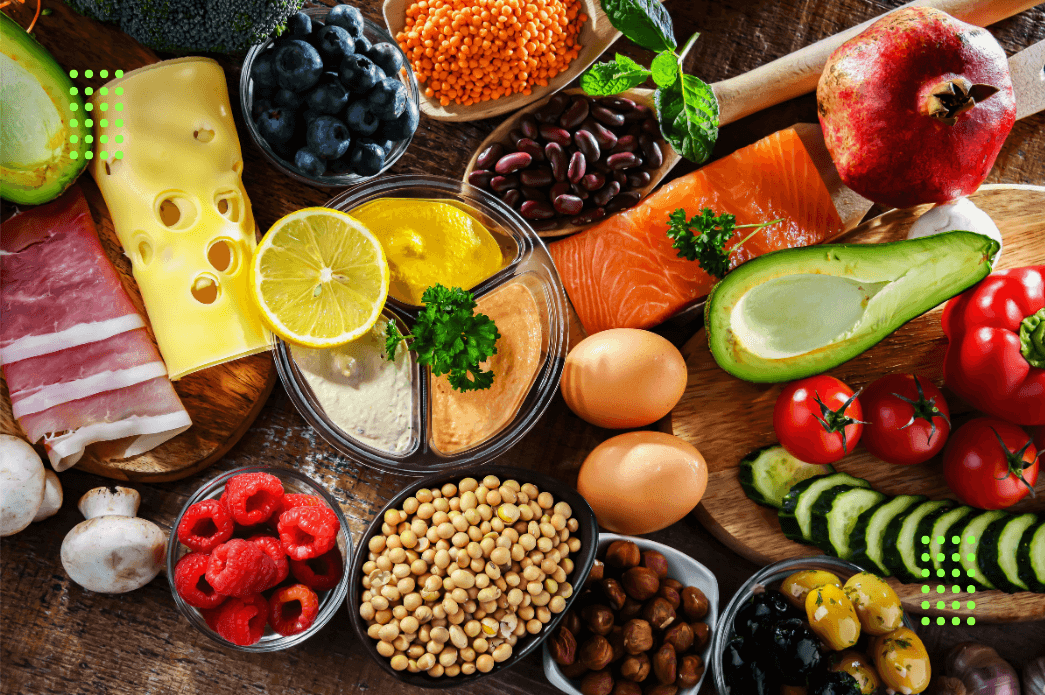
A comprehensive integrative oncology program typically includes multiple therapeutic modalities working synergistically. Nutrition therapy forms a cornerstone, as emerging research continues to reveal the profound impact of dietary choices on cancer progression, treatment side effects, and overall survival rates. Anti-inflammatory diets rich in plant-based foods, healthy fats, and specific compounds like curcumin and green tea polyphenols have shown promising results in supporting conventional treatments.
Mind-body practices constitute another essential element, with meditation, yoga, and tai chi demonstrating measurable benefits in reducing treatment-related symptoms, improving immune function, and enhancing emotional resilience. These practices help patients develop greater agency over their healing process, countering the sense of helplessness that often accompanies a cancer diagnosis.
🧘 The Mind-Body Connection in Cancer Recovery
The relationship between psychological state and physical health is no longer theoretical—it’s supported by robust scientific evidence. Psychoneuroimmunology research has revealed complex pathways through which thoughts, emotions, and stress responses directly influence immune function, inflammation levels, and even gene expression. For cancer patients, this connection becomes particularly significant, as chronic stress and emotional distress can potentially compromise treatment effectiveness and recovery.
Mindfulness-based stress reduction programs have emerged as powerful tools in the integrative oncology toolkit. These structured interventions teach patients to cultivate present-moment awareness, observe thoughts and feelings without judgment, and respond to challenges with greater equanimity. Clinical trials have demonstrated that regular mindfulness practice can reduce anxiety and depression, improve sleep quality, decrease pain perception, and enhance overall quality of life during and after cancer treatment.
Guided imagery and visualization techniques offer another avenue for harnessing the mind’s healing potential. These practices involve creating detailed mental images of health, strength, and recovery, which can influence physiological processes through the same neural pathways that respond to actual sensory experiences. Some patients visualize their immune system attacking cancer cells, while others focus on images of peace, natural beauty, or personal empowerment.
Addressing Emotional and Spiritual Dimensions
Cancer inevitably raises profound existential questions about meaning, purpose, mortality, and what matters most in life. Integrative oncology recognizes that addressing these spiritual dimensions is not optional—it’s essential for comprehensive healing. Spiritual care doesn’t necessarily involve religious practice; rather, it encompasses helping patients connect with their deepest values, find purpose amidst suffering, and maintain hope even in uncertain circumstances.
Support groups and psychotherapy provide critical spaces for processing the emotional impact of cancer. Sharing experiences with others who truly understand the journey reduces isolation, normalizes difficult feelings, and offers practical wisdom from those further along the path. Cognitive-behavioral therapy and acceptance and commitment therapy have proven particularly effective in helping cancer patients reframe negative thought patterns and develop healthier coping strategies.
💪 Physical Wellness: Movement, Nutrition, and Restoration
The misconception that cancer patients should rest completely has been thoroughly debunked by contemporary research. While appropriate rest remains important, regular physical activity has emerged as one of the most powerful supportive interventions available. Exercise reduces fatigue—one of the most common and debilitating side effects of cancer treatment—improves cardiovascular health, enhances immune function, and may even influence cancer recurrence rates.
The type and intensity of exercise should be individualized based on treatment phase, fitness level, and specific circumstances. Gentle activities like walking, swimming, or restorative yoga may be most appropriate during active treatment, while more vigorous exercise can often be safely resumed during recovery. The key is consistency rather than intensity, with even modest amounts of daily movement producing measurable benefits.
Nutritional Strategies for Optimal Healing
Nutrition represents both a science and an art in integrative oncology. While no diet can cure cancer, strategic nutritional choices can significantly impact treatment tolerance, recovery speed, and long-term outcomes. The goal is creating an internal environment that supports healthy cells while making conditions less favorable for cancer growth.
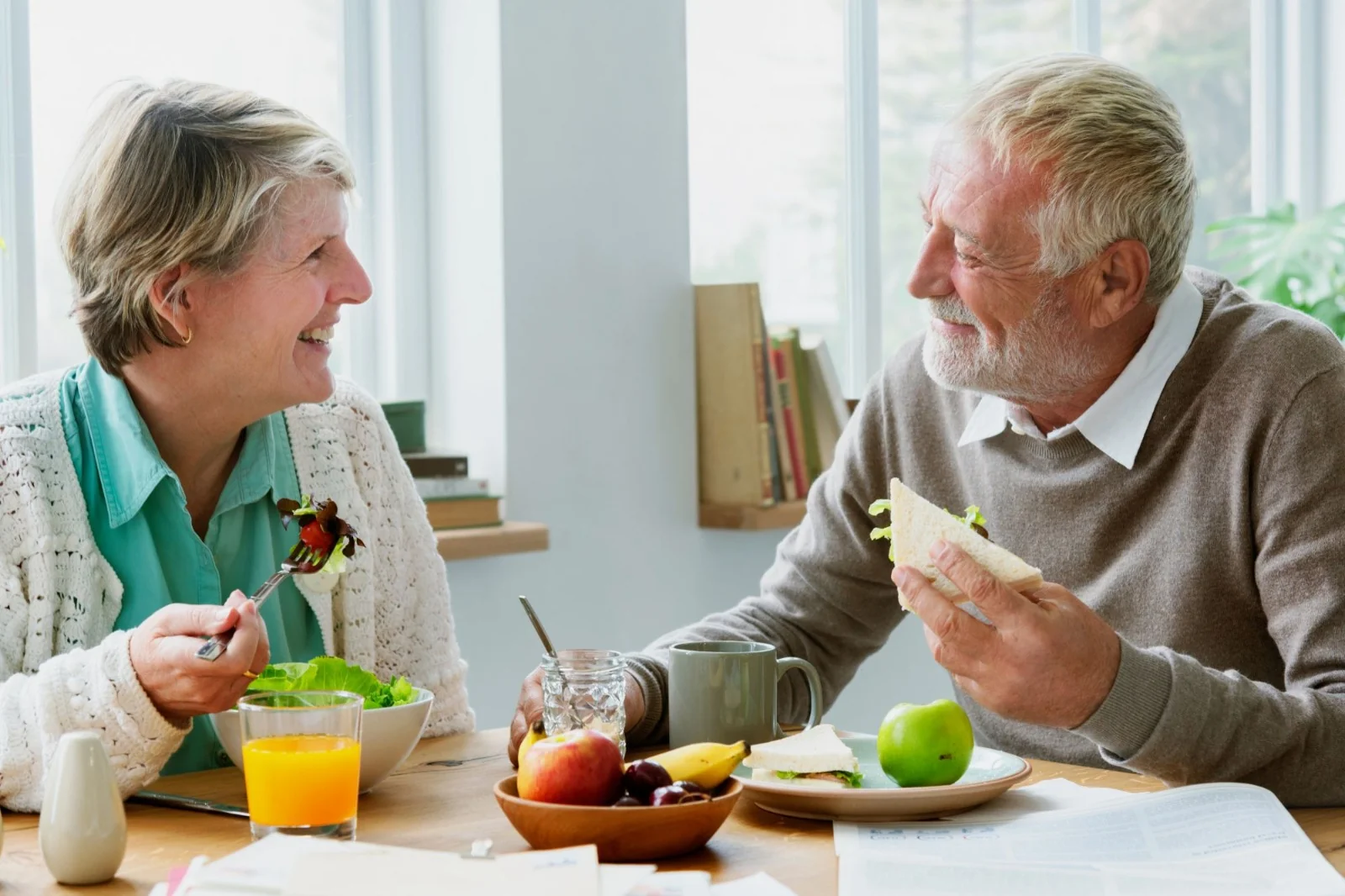
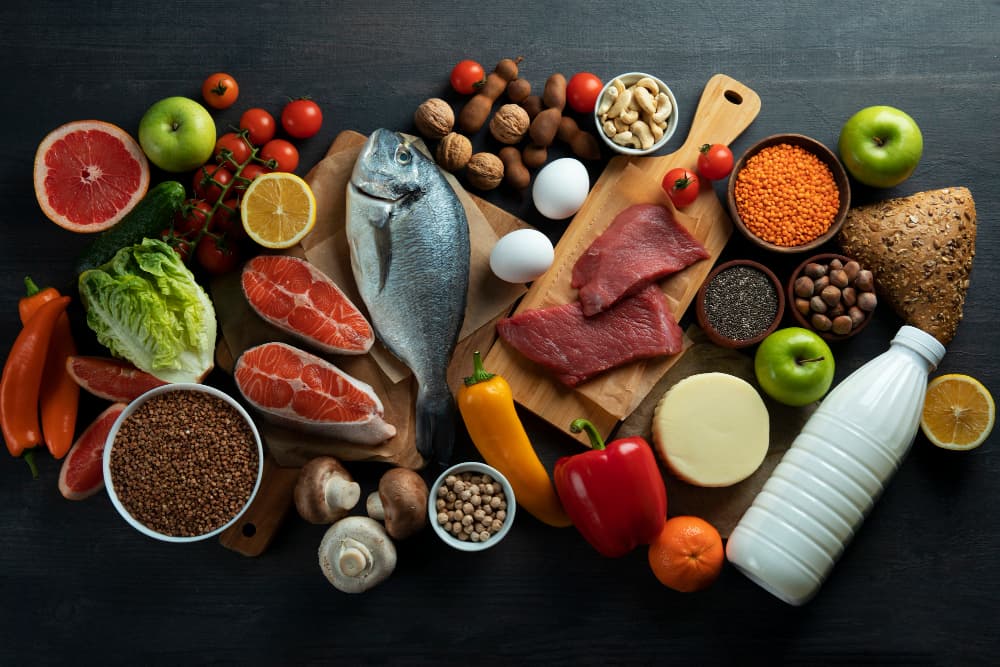
Anti-inflammatory eating patterns emphasize colorful vegetables and fruits, whole grains, legumes, nuts, seeds, and fatty fish while minimizing processed foods, refined sugars, and excessive animal proteins. Specific nutrients deserve special attention: omega-3 fatty acids for their anti-inflammatory properties, vitamin D for immune support, antioxidants to combat oxidative stress, and adequate protein for maintaining muscle mass during treatment.
Hydration often receives insufficient attention, yet maintaining proper fluid intake supports detoxification, prevents constipation (a common chemotherapy side effect), and helps manage fatigue. Herbal teas, bone broths, and water infused with fruits or herbs can make hydration more appealing for patients experiencing taste changes or nausea.
🌿 Evidence-Based Complementary Therapies
Acupuncture has transitioned from alternative therapy to mainstream supportive care in many cancer centers. Research demonstrates its effectiveness for managing chemotherapy-induced nausea, reducing peripheral neuropathy, alleviating pain, and addressing hot flashes in hormone-sensitive cancers. The practice appears to work through multiple mechanisms, including modulating neurotransmitters, reducing inflammation, and regulating the autonomic nervous system.
Massage therapy offers more than temporary relaxation—it provides documented benefits for anxiety reduction, pain management, and improved sleep quality. Oncology massage practitioners receive specialized training to work safely with cancer patients, understanding contraindications, appropriate pressure modifications, and precautions related to surgical sites, radiation areas, and lymphedema risk.
Botanical Medicine and Supplementation
The use of herbs and supplements in cancer care requires careful consideration and professional guidance. While some botanical compounds show genuine promise—such as ginger for nausea, turmeric for inflammation, or medicinal mushrooms for immune support—others may interact negatively with chemotherapy or radiation. This underscores the critical importance of working with healthcare providers knowledgeable in both conventional oncology and integrative approaches.
Patients should always disclose all supplements and herbs to their oncology team, as transparency enables informed decision-making about potential interactions. Some supplements should be avoided during active treatment, while others may be safely incorporated or even enhance treatment effectiveness when used appropriately.
🏥 Creating Your Personalized Integrative Plan
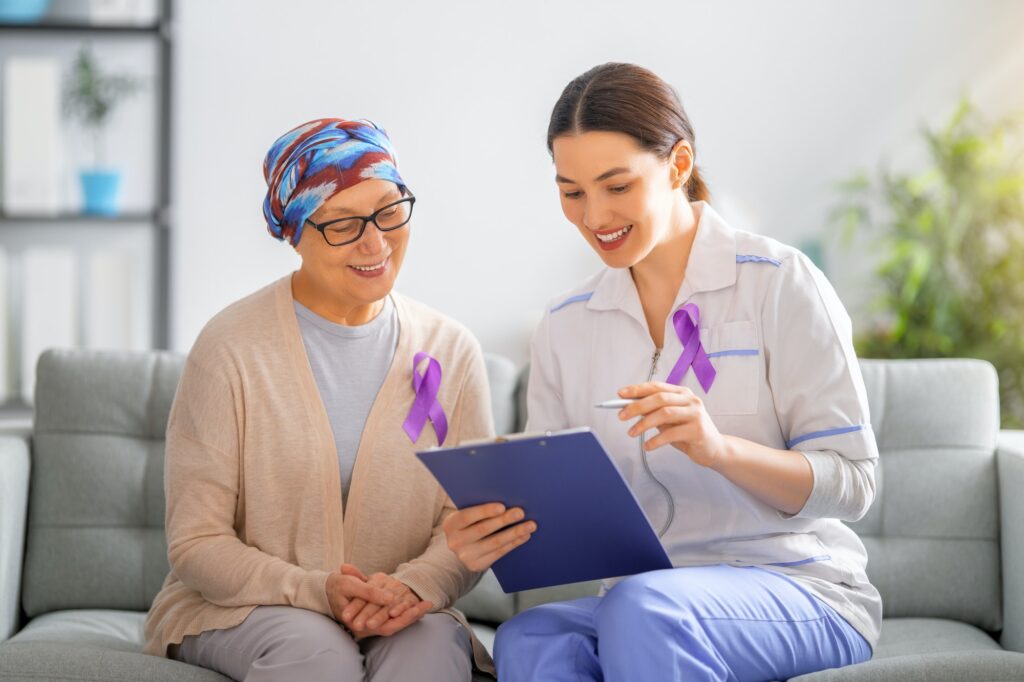
Developing an effective integrative oncology approach requires collaboration between patients and a multidisciplinary team. This team might include medical oncologists, naturopathic doctors, integrative medicine physicians, nutritionists, mental health professionals, and complementary therapy practitioners. The process begins with a comprehensive assessment of physical symptoms, emotional state, spiritual needs, lifestyle factors, and personal preferences.
Setting realistic, measurable goals helps track progress and maintain motivation. Goals might focus on specific symptom management (reducing nausea, improving energy levels), psychological objectives (decreasing anxiety, improving sleep), or broader wellness aspirations (returning to favorite activities, strengthening relationships). Regular reassessment allows the plan to evolve as treatment phases change and new needs emerge.
Overcoming Common Barriers
Financial constraints represent a significant obstacle for many patients seeking integrative care, as insurance coverage for complementary therapies remains inconsistent. However, many beneficial practices—such as meditation, gentle exercise, and dietary modifications—require minimal financial investment. Community resources, including free support groups, hospital-sponsored wellness programs, and online resources, can provide valuable support without cost.
Time limitations during intensive treatment periods can make comprehensive self-care feel overwhelming. The solution lies in prioritizing the most impactful interventions and starting small. Even five minutes of daily meditation, a short walk, or one additional serving of vegetables represents meaningful progress. As habits become established, they require less conscious effort and can gradually expand.
🌈 The Science Behind Hope and Healing
Hope is not merely a pleasant emotional state—it’s a physiological factor in healing. Research in positive psychology has revealed that hopeful patients demonstrate better treatment adherence, experience fewer complications, and report higher quality of life regardless of prognosis. Hope doesn’t require denying reality or maintaining unrealistic optimism; rather, it involves believing in possibilities and one’s capacity to navigate challenges.
Building hope involves several evidence-based strategies. Focusing on what can be controlled rather than fixating on uncertainties reduces anxiety and increases efficacy. Celebrating small victories acknowledges progress and builds momentum. Connecting with others who have successfully navigated similar challenges provides tangible evidence that positive outcomes are possible. Engaging in meaningful activities—whether creative pursuits, volunteering, or deepening relationships—reinforces purpose and vitality.
Post-Treatment Survivorship
Integrative oncology extends well beyond active treatment into survivorship, addressing the unique challenges that emerge after therapy concludes. Many survivors experience a paradoxical increase in anxiety when regular medical appointments decrease, fear of recurrence, difficulty readjusting to normal life, and lingering physical effects like fatigue, cognitive changes, or neuropathy.
A comprehensive survivorship plan addresses ongoing health maintenance, surveillance for recurrence, management of late effects, and psychosocial adjustment. Continuing integrative practices established during treatment helps maintain wellness gains and provides ongoing tools for managing stress and uncertainty. Many survivors report that their integrative practices become permanent lifestyle changes, contributing to long-term health far beyond cancer prevention.
🔬 Research and Future Directions
The field of integrative oncology continues to evolve rapidly as research elucidates mechanisms and refines best practices. Emerging areas of investigation include the role of the microbiome in cancer development and treatment response, precision nutrition based on genetic profiles and tumor characteristics, and the potential for digital health technologies to deliver integrative interventions more accessibly.
Artificial intelligence and machine learning are beginning to contribute to personalized integrative treatment planning, analyzing vast datasets to identify which combinations of interventions work best for specific cancer types, genetic profiles, and individual characteristics. This technological advancement promises to make integrative oncology increasingly sophisticated and individualized.
The integration of conventional and complementary approaches represents not a rejection of medical science but its expansion—a more complete understanding of healing that honors both technological advancement and timeless wisdom about human wellbeing. As this field matures, the distinction between “conventional” and “integrative” oncology may eventually dissolve, with comprehensive, patient-centered care simply becoming the standard.
🎯 Taking the First Steps Forward
Beginning an integrative oncology journey need not be overwhelming. Start by having an honest conversation with your oncology team about interest in complementary approaches. Many cancer centers now offer integrative services or can provide referrals to qualified practitioners. Research local resources such as hospital wellness programs, community support groups, and credentialed complementary therapy providers.
Educate yourself through reputable sources. Organizations like the Society for Integrative Oncology, the American Cancer Society, and major cancer centers provide evidence-based information about complementary therapies. Be cautious of sources promising miracle cures or encouraging abandonment of conventional treatment, as these red flags indicate unreliable information.
Most importantly, listen to your body and honor your individual needs. Healing is not a one-size-fits-all process, and what works beautifully for one person may not resonate with another. The most effective integrative plan is one that aligns with your values, fits your lifestyle, and feels intuitively right while maintaining grounding in scientific evidence.
🌅 Embracing a Brighter Tomorrow
The promise of integrative oncology lies not in miracle cures but in something perhaps more valuable—a comprehensive, compassionate approach that addresses the totality of human experience during cancer treatment and beyond. By combining the best of conventional medicine with evidence-based complementary therapies, patients gain access to a fuller spectrum of healing resources.
This integrative approach recognizes that recovery encompasses more than disease eradication—it involves reclaiming vitality, rediscovering joy, strengthening resilience, and often finding unexpected gifts within the cancer journey. While no one would choose this path, countless survivors describe how integrative practices helped them not merely survive cancer but emerge transformed, with deeper appreciation for life, stronger connections with loved ones, and clearer sense of what truly matters.
As research continues advancing and integrative oncology becomes increasingly mainstream, more patients will benefit from this comprehensive approach to healing. The future of cancer care is not choosing between conventional treatment and holistic support—it’s embracing both, creating a powerful synergy that addresses disease while nurturing the whole person. This integrated path offers the brightest promise for not just surviving cancer, but thriving in its aftermath, moving toward a tomorrow filled with hope, health, and renewed possibility.