
Cold therapy has emerged as a powerful, science-backed method to enhance immune function and build remarkable resilience against illness and stress.

🧊 Understanding the Science Behind Cold Exposure and Immunity
When you expose your body to cold temperatures, something extraordinary happens beneath the surface. Your physiological systems activate ancient survival mechanisms that have protected humans for millennia. Cold therapy, also known as cold water immersion or cryotherapy, triggers a cascade of beneficial responses that directly strengthen your immune defenses.
Research has demonstrated that deliberate cold exposure stimulates the production of white blood cells, particularly lymphocytes and monocytes, which serve as your body’s frontline soldiers against pathogens. These immune cells increase in number and efficiency when your body regularly encounters controlled cold stress, creating a more robust defensive network.
The sympathetic nervous system activation that occurs during cold exposure releases norepinephrine, a neurotransmitter that reduces inflammation throughout your body. Chronic inflammation weakens immune function and contributes to numerous health conditions, making this anti-inflammatory effect particularly valuable for long-term immune resilience.
❄️ How Cold Therapy Transforms Your Body’s Defense Mechanisms
The transformation begins at the cellular level. When cold water touches your skin, thermoreceptors send signals to your brain, activating the hypothalamus. This command center orchestrates a comprehensive response that affects nearly every system in your body, including your immune network.
Your blood vessels constrict during cold exposure, a process called vasoconstriction, which pushes blood toward your vital organs. When you warm up afterward, vasodilation occurs, flooding your tissues with fresh, oxygen-rich blood. This alternating pattern improves circulation and helps transport immune cells more efficiently throughout your body.
Studies have shown that people who practice regular cold water immersion experience fewer sick days and reduced severity of respiratory infections. One landmark Dutch study found that participants who took cold showers had a 29% reduction in self-reported sick leave from work compared to those who took only warm showers.
The Hormetic Stress Response
Cold therapy exemplifies hormesis, a biological phenomenon where exposure to mild stressors strengthens your body’s adaptive capabilities. Unlike chronic stress that depletes your resources, the acute stress from cold exposure stimulates beneficial adaptations that enhance your resilience.
This controlled stress activates heat shock proteins and cold shock proteins, cellular guardians that protect against damage and optimize cellular function. These proteins improve your cells’ ability to handle various stressors, including viral and bacterial challenges, creating a more resilient physiological foundation.
🌡️ Practical Methods for Implementing Cold Therapy
Starting a cold therapy practice doesn’t require expensive equipment or extreme measures. You can begin with simple, accessible methods and gradually progress as your tolerance builds.
Cold Showers: The Gateway to Immune Enhancement
Cold showers represent the most accessible entry point for most people. Begin by finishing your regular warm shower with 30 seconds of cold water. Focus on breathing steadily and calmly, avoiding the instinct to gasp or tense up. Over several weeks, gradually extend the cold exposure to 2-3 minutes.
The ideal temperature for immune benefits ranges between 50-59°F (10-15°C). If your tap water doesn’t get this cold, even cooler water than normal provides benefits. Consistency matters more than intensity when building immune resilience.
Ice Baths and Cold Water Immersion
For those ready to advance their practice, ice baths offer more profound physiological effects. Fill a bathtub with cold water and add ice to reach temperatures between 50-59°F. Start with brief immersions of 1-2 minutes, gradually working up to 10-15 minutes as your adaptation improves.
Immerse your body up to your neck while keeping your hands and feet submerged, as extremities contain high concentrations of thermoreceptors that trigger beneficial responses. Always ensure you can exit safely and have warm clothing ready for afterward.
Outdoor Cold Water Swimming
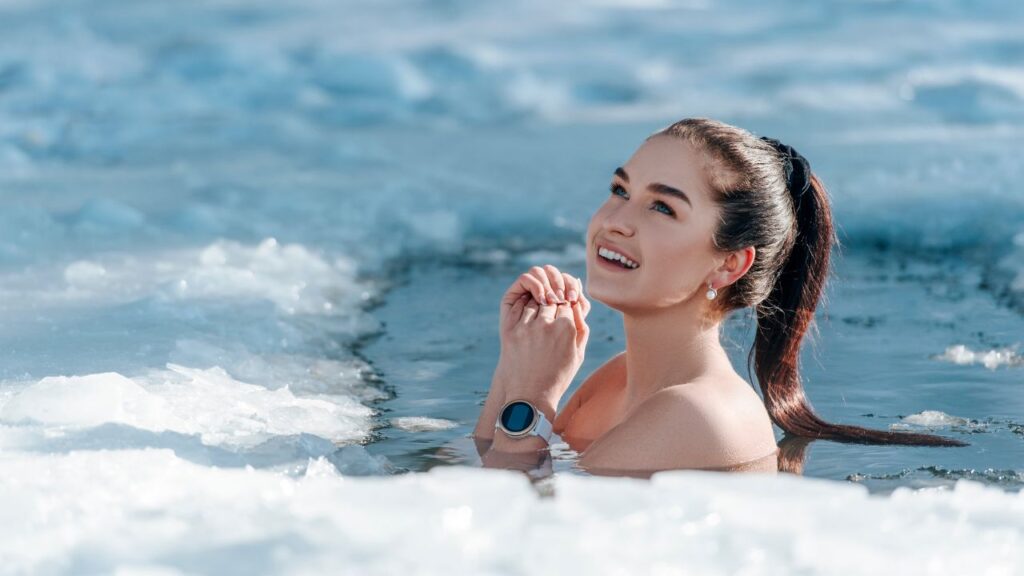
Natural bodies of water provide an excellent environment for cold therapy, with the added benefits of nature exposure and mindful movement. Lakes, rivers, and oceans offer varying temperatures depending on season and location. Always prioritize safety by swimming with others, staying close to shore, and respecting your limits.
💪 Optimizing Your Cold Therapy Protocol for Maximum Immune Benefits
Timing and frequency significantly influence the immune-boosting effects of cold therapy. Research suggests that consistent exposure yields better results than sporadic intense sessions.
Frequency and Duration Guidelines
For immune enhancement, aim for 4-7 cold exposure sessions per week. Each session should last between 2-15 minutes, depending on the temperature and your adaptation level. Morning sessions can provide an energizing start and may optimize the immune response throughout the day.
Avoid cold therapy when you’re already fighting an active infection or feeling extremely fatigued, as your body needs resources for recovery. Cold exposure works best as a preventive and strengthening practice rather than an acute treatment.
Breathing Techniques for Enhanced Response
Controlled breathing transforms cold exposure from uncomfortable shock into manageable challenge. Before entering cold water, practice several rounds of deep, rhythmic breathing to activate your parasympathetic nervous system and prepare your body.
During cold exposure, maintain steady nasal breathing rather than gasping or hyperventilating. This controlled approach reduces the stress response while maintaining the beneficial adaptive signals that strengthen immunity. Focus on extending your exhales to promote relaxation despite the cold stimulus.
🔬 The Biological Mechanisms Behind Enhanced Immunity
Understanding the specific biological pathways activated by cold therapy helps appreciate its profound effects on immune resilience.
Brown Fat Activation and Metabolic Health
Cold exposure activates brown adipose tissue (BAT), a specialized fat that generates heat through a process called thermogenesis. Unlike white fat that stores energy, brown fat burns calories and releases beneficial molecules called batokines that reduce inflammation and improve metabolic health.
Metabolic health directly influences immune function. People with robust metabolic profiles generally demonstrate stronger immune responses and faster recovery from illness. Regular cold exposure increases brown fat volume and activity, creating lasting metabolic improvements.
Mitochondrial Enhancement
Your mitochondria, the powerhouses of your cells, increase in number and efficiency with regular cold exposure. These organelles produce the energy required for all cellular functions, including the energy-intensive processes of immune surveillance and response.
Enhanced mitochondrial function means your immune cells can respond more quickly and effectively to threats. Cold therapy essentially upgrades your cellular energy infrastructure, providing the fuel needed for optimal immune performance.
🛡️ Building Long-Term Immune Resilience Through Cold Adaptation
The true power of cold therapy for immunity emerges through consistent practice over months and years. Your body undergoes remarkable adaptations that create lasting improvements in immune function.
Progressive Adaptation Strategies
Begin with a conservative approach and gradually increase the challenge as your body adapts. Track your sessions, noting duration, temperature, and how you feel afterward. Most people notice improved cold tolerance within 2-3 weeks, with significant immune benefits becoming apparent after 6-8 weeks of consistent practice.
Avoid the temptation to push too hard too quickly. Excessive cold stress can suppress immunity temporarily, defeating the purpose. Listen to your body’s signals and progress at a sustainable pace that feels challenging but manageable.
Seasonal Considerations and Year-Round Practice
Many practitioners find cold therapy easier to maintain during winter months when motivation aligns with environmental temperatures. However, year-round consistency provides the most robust immune benefits. Summer cold exposure requires more intentional effort but prevents detraining and maintains your adaptations.
Adjust your protocol seasonally while maintaining regular practice. Summer sessions might be shorter or use slightly warmer water, while winter allows for more extended exposures in colder temperatures.
⚡ Combining Cold Therapy with Other Immune-Supporting Practices
Cold therapy works synergistically with other health practices to create comprehensive immune resilience. Integrating multiple approaches amplifies the benefits beyond what any single method provides.
Nutrition and Cold Exposure
Adequate protein intake supports the production of immune cells and antibodies stimulated by cold exposure. Focus on whole foods rich in vitamins C, D, and zinc, which directly support immune function. Antioxidant-rich foods help manage the oxidative stress from cold exposure while preserving the beneficial adaptive signals.
Avoid eating large meals immediately before cold immersion, as digestion diverts blood flow and energy away from the adaptive response. A light snack 1-2 hours before works well for most people.
Sleep and Recovery
Quality sleep magnifies the immune benefits of cold therapy. During deep sleep, your body produces cytokines that coordinate immune responses and consolidates the adaptations from your cold exposure practice. Aim for 7-9 hours of consistent sleep to maximize your immune enhancement.
Cold therapy can improve sleep quality by regulating circadian rhythms and reducing core body temperature in the evening. However, avoid cold exposure within 2-3 hours of bedtime, as the energizing effects may interfere with sleep onset.
Exercise and Movement
Moderate exercise and cold therapy both stimulate immune function through complementary mechanisms. Regular physical activity increases immune cell circulation, while cold exposure enhances their production and efficiency. Together, they create a powerful immune-strengthening combination.
Some practitioners enjoy cold water immersion after exercise for recovery benefits. This timing may also provide enhanced immune stimulation, though more research is needed to determine optimal sequencing.
🎯 Safety Considerations and Contraindications
While cold therapy offers remarkable benefits, certain precautions ensure safe and effective practice.
People with cardiovascular conditions should consult healthcare providers before beginning cold therapy, as cold exposure temporarily increases blood pressure and heart rate. Pregnant women, individuals with Raynaud’s disease, and those with cold urticaria should avoid or significantly modify cold exposure practices.
Never practice cold water immersion alone in unsupervised locations. The cold shock response can cause involuntary gasping and disorientation, creating drowning risks even for strong swimmers. Always have an exit strategy and warm recovery plan.
Watch for signs of hypothermia, including intense shivering, confusion, slurred speech, or loss of coordination. Exit the cold immediately if these symptoms appear. After exposure, warm up gradually through active movement and layers of clothing rather than hot showers, which can cause dangerous blood pressure changes.
📊 Measuring Your Immune Improvements
Tracking your progress helps maintain motivation and allows you to optimize your practice for maximum immune benefits.
Keep a simple journal noting your cold therapy sessions, general wellness, and any illness episodes. Many practitioners notice fewer colds, faster recovery times, and improved energy levels within 6-12 weeks of consistent practice. While these subjective measures don’t replace medical testing, they provide valuable feedback about your immune resilience.
Some markers you might track include frequency and duration of illness, energy levels throughout the day, sleep quality, stress resilience, and overall sense of wellbeing. These holistic measures often reflect immune function more meaningfully than isolated lab values.
🌟 Real-World Success Stories and Research Evidence
Thousands of people worldwide have experienced dramatic improvements in immune resilience through consistent cold therapy practice. From busy professionals reducing sick days to athletes optimizing recovery, the applications span diverse populations and goals.
A 2016 study published in PLOS ONE followed over 3,000 participants who added cold showers to their routine. Results showed significant reductions in self-reported illness and improved perceived quality of life. Participants who combined cold showers with regular physical activity experienced even greater benefits, suggesting powerful synergistic effects.
Dutch extreme athlete Wim Hof has popularized cold exposure combined with breathing techniques, demonstrating unprecedented control over autonomic functions previously thought to be involuntary. Research on his methods has shown practitioners can voluntarily influence their immune response, producing more anti-inflammatory cytokines and fewer pro-inflammatory markers when exposed to endotoxins.
🚀 Starting Your Cold Therapy Journey Today
Beginning your cold therapy practice requires no special equipment or expertise, just commitment to consistent action. Start tomorrow morning with a 30-second cold shower finish. Focus on controlled breathing and notice how your body responds. This simple act initiates the adaptive processes that will strengthen your immune system over time.
Gradually extend your cold exposure duration over several weeks. Join online communities of cold therapy practitioners for support, motivation, and shared experiences. Many find that the mental resilience developed through cold exposure transfers to other life challenges, creating benefits beyond physical immunity.
Remember that building immune resilience is a marathon, not a sprint. Consistency trumps intensity every time. A moderate cold exposure practiced daily for months will produce far greater benefits than occasional extreme exposures. Embrace the journey, trust the process, and watch as your body develops remarkable defensive capabilities.
The science is clear: deliberate cold exposure represents one of the most accessible and effective methods for enhancing immune function. By activating ancient survival mechanisms and triggering beneficial adaptations at the cellular level, cold therapy strengthens your body’s natural defenses against illness and stress. Whether you start with cold showers, progress to ice baths, or explore outdoor swimming, you’re tapping into a powerful tool for building lasting immune resilience. Your stronger, more resilient immune system awaits on the other side of that cold water threshold.