The pursuit of longevity isn’t just about adding years to your life—it’s about adding life to your years. Anti-inflammatory diets have emerged as a powerful tool for achieving both.

🌟 Understanding Inflammation: The Silent Enemy Within
Inflammation serves as your body’s natural defense mechanism against injury and infection. When you cut your finger or catch a cold, acute inflammation rushes to the rescue, protecting and healing damaged tissue. This temporary response is beneficial and necessary for survival.
However, chronic inflammation tells a different story entirely. This persistent, low-grade inflammation quietly damages your cells, tissues, and organs over time. Unlike acute inflammation that resolves quickly, chronic inflammation can simmer for months or years without obvious symptoms.
Research has linked chronic inflammation to numerous age-related diseases including cardiovascular disease, type 2 diabetes, Alzheimer’s disease, arthritis, and certain cancers. Modern lifestyle factors such as processed foods, sedentary behavior, chronic stress, and environmental toxins fuel this inflammatory fire.
The encouraging news? Your dietary choices wield tremendous power over inflammatory processes in your body. By embracing anti-inflammatory eating patterns, you can significantly reduce disease risk and enhance your overall quality of life.
The Science Behind Anti-Inflammatory Nutrition 🔬
Anti-inflammatory diets work by providing your body with nutrients that actively combat oxidative stress and inflammatory pathways. These eating patterns emphasize whole, minimally processed foods rich in antioxidants, polyphenols, omega-3 fatty acids, and fiber.
Antioxidants neutralize free radicals—unstable molecules that damage cells and promote inflammation. Vitamins C and E, beta-carotene, selenium, and numerous plant compounds act as powerful antioxidants. They protect your cellular machinery from oxidative damage that accelerates aging.
Polyphenols represent a diverse group of plant compounds with remarkable anti-inflammatory properties. Found abundantly in colorful fruits, vegetables, tea, coffee, and dark chocolate, these molecules modulate inflammatory signaling pathways at the molecular level.
Omega-3 fatty acids, particularly EPA and DHA from fatty fish, possess well-documented anti-inflammatory effects. They compete with omega-6 fatty acids in inflammatory pathways, producing less inflammatory compounds and promoting resolution of existing inflammation.
🥗 Core Components of an Anti-Inflammatory Diet
Colorful Fruits and Vegetables
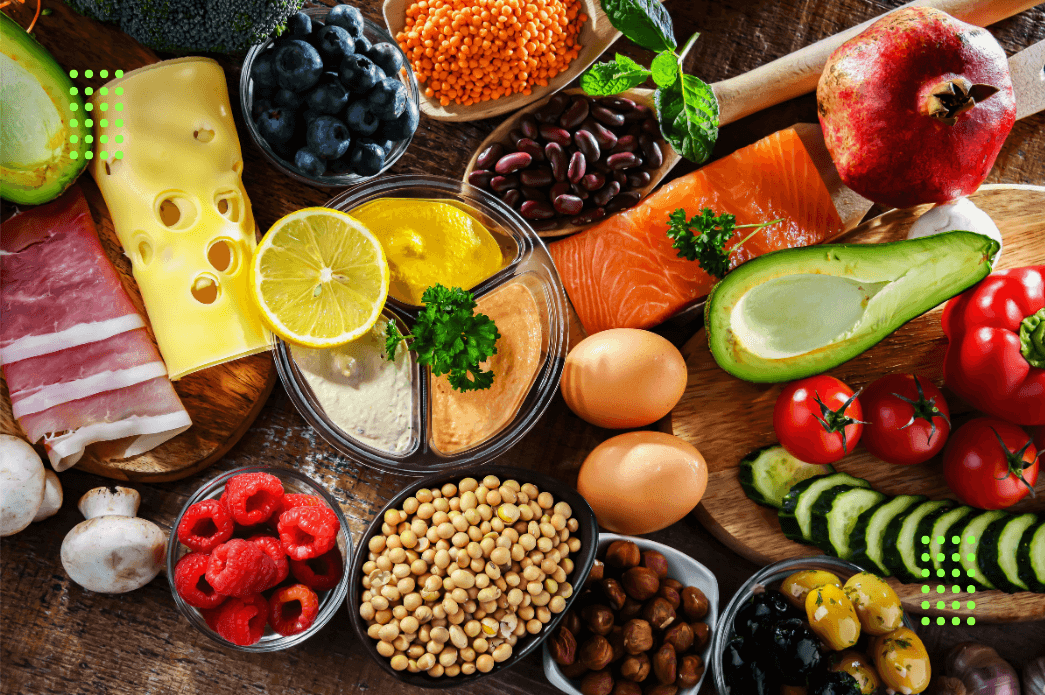
Plant foods form the foundation of any anti-inflammatory eating plan. Their vibrant colors signal the presence of different phytonutrients with unique health benefits. Aim for at least seven to nine servings daily, emphasizing variety.
Berries deserve special mention for their exceptional antioxidant content. Blueberries, strawberries, raspberries, and blackberries contain anthocyanins that reduce inflammatory markers and protect brain health. Leafy greens like spinach, kale, and Swiss chard provide vitamins, minerals, and compounds that support detoxification pathways.
Cruciferous vegetables including broccoli, cauliflower, Brussels sprouts, and cabbage contain sulforaphane, a potent anti-inflammatory compound. Tomatoes offer lycopene, while orange and yellow vegetables provide beta-carotene—both powerful antioxidants.
Healthy Fats That Heal
Not all fats contribute equally to inflammation. While trans fats and excessive omega-6 fatty acids promote inflammation, certain fats actively reduce it. Extra virgin olive oil stands as a cornerstone of anti-inflammatory eating, containing oleocanthal—a compound with anti-inflammatory effects similar to ibuprofen.
Fatty fish such as salmon, mackerel, sardines, and anchovies provide omega-3 fatty acids that dampen inflammatory responses. Consuming fatty fish two to three times weekly can significantly improve inflammatory markers. For those following plant-based diets, walnuts, flaxseeds, chia seeds, and hemp seeds offer alpha-linolenic acid (ALA), a plant-based omega-3.
Avocados deliver monounsaturated fats along with vitamin E and carotenoids. Nuts and seeds provide healthy fats, fiber, protein, and numerous anti-inflammatory compounds. Small portions daily contribute to reduced inflammation and improved cardiovascular health.
Whole Grains and Legumes
Refined carbohydrates spike blood sugar and promote inflammation, but whole grains do the opposite. Oats, quinoa, brown rice, barley, and whole wheat contain fiber that feeds beneficial gut bacteria, which produce anti-inflammatory compounds called short-chain fatty acids.
Legumes including beans, lentils, chickpeas, and peas offer protein, fiber, and resistant starch. These nutritional powerhouses stabilize blood sugar, support digestive health, and reduce inflammatory markers when consumed regularly.
Herbs and Spices: Nature’s Medicine Cabinet 🌿
Culinary herbs and spices contain some of the most concentrated anti-inflammatory compounds available. Turmeric contains curcumin, extensively studied for its powerful anti-inflammatory effects. Combining turmeric with black pepper enhances curcumin absorption significantly.
Ginger reduces inflammatory markers and may alleviate pain from arthritis and other inflammatory conditions. Garlic contains sulfur compounds that modulate inflammatory pathways and support immune function. Cinnamon improves insulin sensitivity and reduces inflammatory markers associated with metabolic syndrome.
Rosemary, oregano, thyme, and basil contain antioxidants and anti-inflammatory compounds. Generously incorporating these herbs and spices into daily cooking amplifies the anti-inflammatory potential of your meals.
⚠️ Foods to Minimize or Avoid
Understanding which foods promote inflammation helps you make informed choices. Processed meats like bacon, sausages, and deli meats contain advanced glycation end products (AGEs) and other inflammatory compounds linked to increased disease risk.
Refined carbohydrates and added sugars rapidly increase blood glucose and insulin levels, triggering inflammatory responses. Sugary beverages, white bread, pastries, and most packaged snacks fall into this category. These foods also displace nutrient-dense options that could reduce inflammation.
Trans fats, found in some margarines, shortening, and processed baked goods, strongly promote inflammation and should be eliminated entirely. Excessive omega-6 fatty acids from corn, soybean, and sunflower oils may contribute to inflammation when not balanced with omega-3s.
Alcohol in excess promotes inflammation and damages gut barrier function. While moderate consumption of red wine may offer some benefits, limiting alcohol intake supports anti-inflammatory goals.
🍽️ Sample Anti-Inflammatory Meal Plan
Translating principles into practice becomes easier with concrete examples. Here’s a day of anti-inflammatory eating that’s both delicious and nutritious:
Breakfast: Steel-cut oatmeal topped with blueberries, ground flaxseed, walnuts, and a sprinkle of cinnamon. Green tea on the side.
Mid-Morning Snack: Apple slices with almond butter or a handful of mixed nuts.
Lunch: Large salad with mixed greens, cherry tomatoes, cucumber, chickpeas, avocado, and grilled salmon. Dress with extra virgin olive oil and lemon juice. Side of quinoa.
Afternoon Snack: Carrot and celery sticks with hummus, or a small bowl of berries.
Dinner: Baked turmeric chicken breast with roasted Brussels sprouts, sweet potato, and a side of sautéed kale with garlic.
Evening: Dark chocolate square (70% cacao or higher) with herbal tea.
Beyond Food: Lifestyle Factors That Influence Inflammation 💪
While diet plays a central role in managing inflammation, other lifestyle factors significantly impact inflammatory processes. Physical activity ranks among the most effective anti-inflammatory interventions. Regular exercise reduces inflammatory markers, improves immune function, and promotes healthy weight maintenance.
Aim for at least 150 minutes of moderate-intensity exercise weekly, combining cardiovascular activities with strength training. Even short walks after meals help reduce post-meal inflammation and improve blood sugar control.
Sleep quality profoundly affects inflammatory status. Poor sleep disrupts hormonal balance, increases inflammatory markers, and compromises immune function. Prioritizing seven to nine hours of quality sleep nightly supports your body’s natural anti-inflammatory processes.
Chronic stress elevates cortisol and other stress hormones that promote inflammation over time. Incorporating stress management techniques such as meditation, deep breathing, yoga, or time in nature helps reduce inflammatory burden.
Social connections and strong relationships appear to reduce inflammation and promote longevity. Nurturing meaningful relationships and maintaining an active social life contributes to both mental and physical health.
🎯 Tracking Your Progress and Staying Motivated
Transitioning to an anti-inflammatory lifestyle requires commitment, but the rewards justify the effort. Many people notice improvements in energy, sleep quality, digestion, and mood within weeks of dietary changes.
Consider keeping a food and symptom journal to identify patterns and track progress. Note how you feel after meals, energy levels throughout the day, and any changes in chronic symptoms. This awareness helps reinforce positive changes and identify problem foods.
Working with healthcare providers to monitor inflammatory markers through blood tests can provide objective feedback. C-reactive protein (CRP), erythrocyte sedimentation rate (ESR), and other markers often improve with consistent anti-inflammatory eating.
Remember that perfection isn’t the goal—progress is. An 80/20 approach works well for most people, emphasizing anti-inflammatory foods 80% of the time while allowing flexibility for social occasions and treats.
Evidence-Based Benefits You Can Expect 📊
Research consistently demonstrates that anti-inflammatory diets deliver measurable health benefits. Studies show reduced risk of cardiovascular disease, with improvements in blood pressure, cholesterol levels, and arterial function. These changes translate to fewer heart attacks and strokes.
Cognitive function and brain health improve with anti-inflammatory eating patterns. The Mediterranean diet and similar approaches reduce Alzheimer’s disease risk and slow cognitive decline. These benefits likely stem from reduced oxidative stress and improved vascular health.
Weight management becomes easier when following anti-inflammatory principles. These eating patterns emphasize satisfying, nutrient-dense foods that naturally regulate appetite. Reduced inflammation also improves insulin sensitivity, facilitating healthy weight maintenance.
Joint health and mobility often improve as inflammatory markers decrease. Many people with arthritis report reduced pain and stiffness when following anti-inflammatory diets consistently.
Mental health benefits include reduced depression and anxiety symptoms. The gut-brain connection means that supporting digestive health through anti-inflammatory foods positively impacts mood and emotional well-being.
🌍 Different Approaches to Anti-Inflammatory Eating
Several well-researched dietary patterns emphasize anti-inflammatory principles, allowing you to choose an approach that fits your preferences and lifestyle.
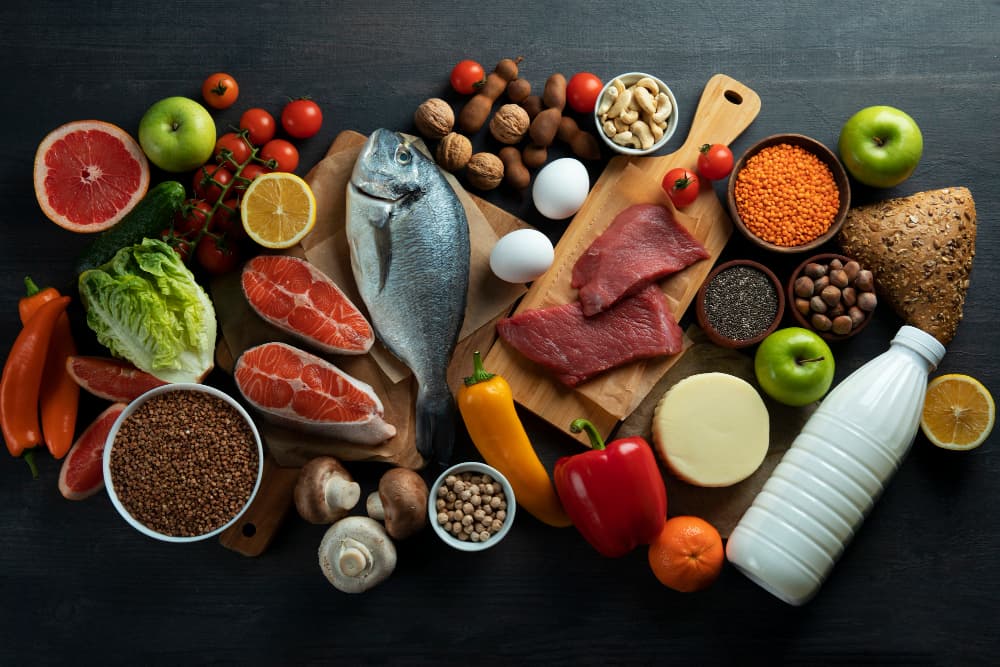
The Mediterranean diet, perhaps the most studied eating pattern, emphasizes vegetables, fruits, whole grains, legumes, nuts, olive oil, and fish. Extensive research links this approach to reduced inflammation, lower disease risk, and increased longevity.
The DASH (Dietary Approaches to Stop Hypertension) diet shares many anti-inflammatory features, emphasizing whole foods while limiting sodium, added sugars, and processed foods. Originally designed to reduce blood pressure, it also decreases inflammatory markers.
Plant-based diets ranging from flexitarian to fully vegan can be highly anti-inflammatory when properly planned. These approaches naturally emphasize anti-inflammatory foods while minimizing or eliminating pro-inflammatory animal products.
The Nordic diet, featuring berries, fatty fish, root vegetables, whole grains, and rapeseed oil, offers a regional variation on anti-inflammatory eating with similar benefits to the Mediterranean approach.
Making It Sustainable: Practical Tips for Long-Term Success ✨
Sustainable change happens gradually through small, consistent steps rather than dramatic overhauls. Start by adding anti-inflammatory foods before removing favorites. This positive approach feels less restrictive and helps you discover new favorites.
Meal planning and preparation significantly increase success rates. Dedicating time weekly to plan menus, shop for ingredients, and prepare components in advance removes barriers when life gets busy.
Building skills in the kitchen makes anti-inflammatory eating more enjoyable and economical. Learning to prepare a few simple, delicious recipes builds confidence and competence.
Finding community support through friends, family, cooking classes, or online groups helps maintain motivation. Sharing recipes, experiences, and challenges with others on similar journeys provides encouragement and accountability.
Being prepared when eating away from home prevents defaulting to inflammatory options. Bringing healthy snacks, researching restaurant menus in advance, and communicating your dietary preferences helps you stay on track.

Your Path Forward Starts Today 🚀
Anti-inflammatory eating represents one of the most powerful tools available for enhancing longevity, vitality, and quality of life. The scientific evidence supporting these dietary approaches continues growing, confirming what many traditional cultures have practiced for centuries.
The beauty of anti-inflammatory nutrition lies in its accessibility—no expensive supplements, restrictive rules, or complicated protocols required. By emphasizing whole, minimally processed foods that humans have thrived on for millennia, you naturally reduce inflammation while nourishing your body.
Each meal offers an opportunity to either fuel inflammation or combat it. The cumulative impact of these daily choices shapes your health trajectory over months, years, and decades. Starting today, regardless of your current health status or previous dietary habits, you can begin reaping the benefits.
Remember that this journey is personal and progressive. What works perfectly for one person may need adjustment for another. Listen to your body, pay attention to how foods make you feel, and make changes at a pace that feels sustainable for your life.
The investment you make in anti-inflammatory eating today pays dividends in energy, resilience, and wellbeing tomorrow. Your future self will thank you for the choices you make right now—choices that unlock the secret to a longer, healthier, more vibrant life. 🌱