
Intermittent fasting has emerged as a powerful tool for transforming metabolic health, offering benefits that extend far beyond simple weight management and calorie restriction.

In today’s world of constant snacking and around-the-clock eating, our bodies rarely experience the metabolic shift that occurs during fasting periods. This continuous fed state keeps us locked in a pattern of glucose dependence, preventing our cells from accessing the remarkable benefits of metabolic flexibility—the ability to efficiently switch between burning carbohydrates and fats for fuel.
Understanding and harnessing metabolic flexibility through intermittent fasting isn’t just another diet trend; it represents a fundamental approach to optimizing how your body produces and utilizes energy. When implemented correctly, this practice can unlock cellular processes that have been dormant in many modern individuals, leading to improved energy levels, enhanced cognitive function, better body composition, and potentially even increased longevity.
🔬 Understanding Metabolic Flexibility: The Foundation of Optimal Health
Metabolic flexibility refers to your body’s capacity to adapt fuel oxidation to fuel availability. In simpler terms, it’s the ability to seamlessly switch between burning glucose when carbohydrates are available and burning fat when they’re not. This metabolic agility was crucial for human survival throughout evolution, allowing our ancestors to thrive during periods of both feast and famine.
When you possess good metabolic flexibility, your cells can efficiently extract energy from whatever fuel source is most readily available. During fed states, insulin rises, and glucose becomes the primary energy source. During fasted states, insulin drops, and your body transitions to burning stored fat for fuel, producing ketones as an alternative energy source for the brain and other organs.
Unfortunately, modern eating patterns—characterized by frequent meals, constant snacking, and high carbohydrate intake—have left many people metabolically inflexible. They’ve become “sugar burners” who struggle to access fat stores efficiently, leading to energy crashes, persistent hunger, and difficulty maintaining healthy body weight.
The Metabolic Switch: What Happens During Fasting
The transition from glucose burning to fat burning doesn’t happen instantly. After your last meal, your body continues using glucose from the bloodstream and glycogen stores in the liver and muscles. This typically lasts 8-12 hours, depending on various factors including your metabolic health, activity level, and what you ate.
Once glycogen stores become depleted, your body initiates a metabolic shift. Insulin levels drop significantly, signaling fat cells to release stored fatty acids into the bloodstream. These fatty acids travel to the liver, where they’re converted into ketone bodies—a clean-burning fuel that can power your brain, heart, and muscles with remarkable efficiency.
This metabolic switch activates numerous cellular pathways that promote health and longevity, including autophagy (cellular cleanup and recycling), enhanced mitochondrial function, reduced oxidative stress, and improved insulin sensitivity.
⏰ Different Approaches to Intermittent Fasting
Intermittent fasting isn’t a one-size-fits-all approach. Several different protocols exist, each with unique characteristics and benefits. Choosing the right method depends on your lifestyle, goals, and current health status.
Time-Restricted Eating (16:8, 14:10, 18:6)
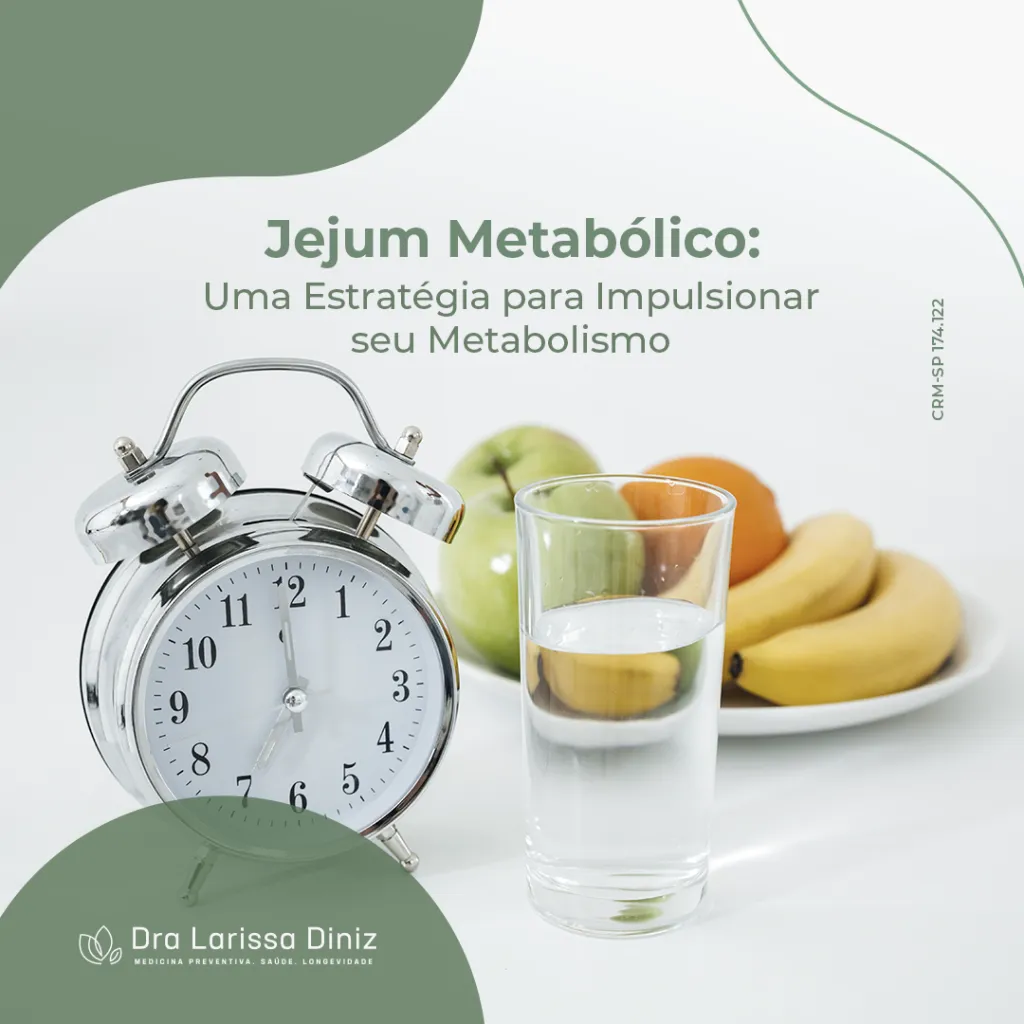
Time-restricted eating involves limiting your daily eating window to a specific number of hours. The 16:8 method, where you fast for 16 hours and eat within an 8-hour window, represents the most popular approach for beginners. For example, you might eat between noon and 8 PM, then fast from 8 PM until noon the next day.
This method offers flexibility and sustainability, making it easier to incorporate into daily life. Many people find that skipping breakfast and having their first meal at lunch feels natural, especially once they’ve adapted to fat burning. The 14:10 approach provides a gentler introduction for those new to fasting, while the 18:6 method offers more intensive benefits for experienced fasters.
The 5:2 Diet Approach
This method involves eating normally for five days per week while significantly reducing calorie intake (around 500-600 calories) on two non-consecutive days. The 5:2 approach provides metabolic benefits without requiring daily fasting windows, making it appealing for those who prefer a less structured daily routine.
The fasting days trigger the metabolic switch and associated benefits, while the five regular eating days prevent metabolic adaptation and maintain social flexibility for meals and gatherings.
Alternate-Day Fasting and Extended Fasts
Alternate-day fasting involves alternating between regular eating days and fasting days (or very low-calorie days). Extended fasts lasting 24-72 hours or longer offer more profound benefits but should only be undertaken with proper knowledge and, ideally, medical supervision.
These more intensive approaches can provide enhanced autophagy, deeper ketosis, and potentially greater metabolic improvements, but they require more careful planning and aren’t suitable for everyone.
💪 The Profound Benefits of Enhanced Metabolic Flexibility
Developing metabolic flexibility through intermittent fasting delivers benefits that extend far beyond the fasting window itself, creating lasting improvements in how your body functions at the cellular level.
Fat Loss and Improved Body Composition
When you’re metabolically flexible, your body readily accesses stored fat for energy during fasting periods. This efficient fat burning, combined with the reduced eating window that naturally limits calorie intake, makes intermittent fasting particularly effective for sustainable fat loss.
Unlike traditional calorie restriction that can lead to muscle loss and metabolic slowdown, intermittent fasting—especially when combined with adequate protein intake and resistance training—helps preserve lean muscle mass while promoting fat oxidation. The hormonal environment during fasting, characterized by elevated growth hormone and lower insulin, creates ideal conditions for improving body composition.
Enhanced Insulin Sensitivity and Blood Sugar Control
Perhaps one of the most significant benefits of intermittent fasting is its profound impact on insulin sensitivity. By giving your body regular breaks from food intake, you allow insulin levels to drop significantly, giving your cells a chance to become more responsive to this crucial hormone.
Improved insulin sensitivity means your body requires less insulin to manage blood glucose, reducing the burden on your pancreas and lowering your risk of type 2 diabetes and metabolic syndrome. Studies have shown that intermittent fasting can lead to significant reductions in fasting blood sugar and hemoglobin A1C levels, even in individuals with prediabetes.
Cognitive Enhancement and Mental Clarity 🧠
Many intermittent fasting practitioners report experiencing enhanced mental clarity, improved focus, and better cognitive performance during fasted states. This isn’t merely subjective—there’s solid science behind these observations.
Ketone bodies, produced during extended fasting periods, serve as an efficient fuel source for the brain. They provide steady energy without the blood sugar fluctuations that can cause brain fog and energy crashes. Additionally, fasting triggers the production of brain-derived neurotrophic factor (BDNF), a protein that supports the growth of new neurons and protects existing brain cells.
Cellular Repair Through Autophagy
Autophagy, literally meaning “self-eating,” represents one of the body’s most important cellular housekeeping processes. During autophagy, cells break down and recycle damaged proteins, organelles, and other cellular components, replacing them with new, functional parts.
Fasting is one of the most powerful activators of autophagy. This cellular renewal process has been linked to reduced inflammation, improved immune function, and potentially increased longevity. By regularly activating autophagy through intermittent fasting, you’re essentially giving your cells a regular spring cleaning.
🚀 Getting Started: A Practical Implementation Guide
Successfully implementing intermittent fasting for enhanced metabolic flexibility requires a thoughtful, gradual approach rather than diving into the most restrictive protocol immediately.
Preparing Your Body for the Transition
If you’re currently eating a high-carbohydrate diet with frequent meals and snacks, jumping straight into a 16:8 fasting protocol might prove challenging. Your body needs time to develop the enzymatic machinery required for efficient fat burning.
Consider starting with a two-week preparation phase where you gradually reduce snacking and eliminate late-night eating. Focus on increasing your intake of healthy fats and moderate protein while reducing refined carbohydrates. This dietary shift begins priming your metabolic pathways for fat oxidation even before you implement formal fasting windows.
Your First Week: The 12:12 Approach
Begin with a simple 12-hour fasting window, which most people accomplish naturally by finishing dinner by 7 PM and eating breakfast at 7 AM. This gentle introduction allows your body to adapt without significant discomfort.
During this first week, pay attention to hunger signals, energy levels, and how you feel mentally and physically. Keep yourself hydrated with water, black coffee, or unsweetened tea during fasting periods. These beverages don’t break your fast and can help manage hunger.
Progressing to 14:10 and Beyond
After successfully completing a week at 12:12, extend your fasting window by pushing breakfast back an hour or two. A 14:10 protocol (eating between 9 AM and 7 PM, for example) provides more significant metabolic benefits while remaining relatively easy to maintain.
Once comfortable with 14:10, you can progress to the popular 16:8 method. Many people find their sweet spot here, experiencing substantial benefits without excessive difficulty. Remember, the goal isn’t to achieve the longest possible fast but to find a sustainable approach that enhances your metabolic flexibility and overall health.
🥗 Optimizing Nutrition During Eating Windows
What you eat during your feeding windows significantly impacts your success with intermittent fasting and your ability to develop metabolic flexibility. The quality and composition of your meals matter tremendously.
Breaking Your Fast Strategically
The first meal after your fasting period represents a crucial opportunity to support metabolic health. Breaking your fast with highly processed carbohydrates or sugar can cause a dramatic insulin spike that undermines many fasting benefits.
Instead, consider starting with nutrient-dense foods that provide protein, healthy fats, and fiber. Options like eggs with avocado and vegetables, Greek yogurt with nuts and berries, or a salmon salad provide sustained energy without triggering excessive insulin release.
Macronutrient Balance for Metabolic Flexibility
While intermittent fasting doesn’t require a specific macronutrient ratio, certain approaches better support metabolic flexibility. A moderate carbohydrate intake focusing on complex, fiber-rich sources, adequate protein for muscle maintenance, and sufficient healthy fats for satiety and hormone production creates an ideal foundation.
Consider this general framework for your eating windows:
- Protein: 25-35% of calories from high-quality sources like fish, poultry, eggs, and legumes
- Healthy fats: 30-40% from sources like olive oil, avocados, nuts, seeds, and fatty fish
- Carbohydrates: 30-40% primarily from vegetables, fruits, legumes, and whole grains
- Prioritize fiber-rich foods that support gut health and stable blood sugar
- Include plenty of non-starchy vegetables for micronutrients and volume
Hydration and Electrolyte Considerations
Proper hydration becomes even more critical during fasting periods. Without food intake providing water and minerals, you need to be intentional about fluid consumption. Aim for adequate water intake throughout your fasting window, adjusting based on activity level, climate, and individual needs.
During extended fasts or when first adapting to intermittent fasting, you might experience symptoms related to electrolyte imbalances—headaches, fatigue, muscle cramps, or dizziness. Adding a pinch of high-quality salt to your water or consuming mineral-rich bone broth (if doing a more flexible fasting approach) can help maintain electrolyte balance.
⚠️ Common Challenges and Solutions
Even with proper preparation, you’ll likely encounter challenges as you develop metabolic flexibility through intermittent fasting. Understanding common obstacles and solutions helps ensure long-term success.
Managing Initial Hunger and Cravings
Hunger during early fasting periods often feels intense, but this discomfort typically diminishes significantly after the first week or two as your body adapts to fat burning. Remember that hunger comes in waves that pass, rather than continuously intensifying.
Strategies for managing hunger include staying well-hydrated, keeping busy during challenging times, consuming black coffee or tea (which can suppress appetite), and reminding yourself that discomfort is temporary while benefits are lasting.
Social Situations and Flexibility
Rigid adherence to fasting windows can create social challenges around meals with friends and family. Remember that intermittent fasting should enhance your life, not restrict it unnecessarily. Having flexibility to adjust your fasting window for important social occasions prevents the protocol from becoming unsustainable.
Consider your weekly fasting schedule as a general pattern rather than an inflexible rule. If you have a breakfast meeting on Tuesday, shift your eating window that day and return to your preferred schedule the next day.
Managing Energy Levels During Adaptation
Some people experience temporary fatigue, difficulty concentrating, or reduced exercise performance during the adaptation phase. These symptoms typically resolve within 2-4 weeks as your body becomes more efficient at fat burning.
Support the adaptation process by ensuring adequate sleep, managing stress, and potentially reducing high-intensity exercise volume temporarily while your body adjusts. Once adapted, most people find their energy levels stabilize or even improve compared to their pre-fasting baseline.
🎯 Measuring Your Metabolic Flexibility Progress
Tracking your progress helps maintain motivation and allows you to adjust your approach based on objective feedback rather than feelings alone.
Subjective Markers of Improvement
Pay attention to how you feel during fasting periods. Initial hunger and discomfort should gradually decrease as metabolic flexibility improves. You might notice sustained energy levels throughout the day without the crashes that characterized your pre-fasting eating pattern.
Mental clarity during fasted states, reduced cravings for sugar and processed foods, and feeling comfortable without eating for extended periods all indicate improving metabolic flexibility.
Objective Measurements Worth Tracking
Several metrics can provide objective data about your metabolic improvements:
- Fasting blood glucose and insulin levels
- Hemoglobin A1C for long-term glucose control
- Body composition measurements (not just weight)
- Waist circumference as a marker of visceral fat
- Blood pressure and lipid panels
- Resting heart rate and heart rate variability
You don’t need to track all these markers, but choosing a few relevant to your health goals provides valuable feedback about your progress beyond subjective impressions.
🌟 Taking Your Practice to the Next Level
Once you’ve established a consistent intermittent fasting practice and developed basic metabolic flexibility, you might consider advanced strategies to further enhance your results.
Combining Fasting with Exercise
Exercising in a fasted state can further enhance fat adaptation and metabolic flexibility. Fasted cardiovascular exercise, particularly at lower to moderate intensities, encourages your body to rely more heavily on fat oxidation for fuel.
However, this approach requires careful implementation. Start with light to moderate activities like walking, yoga, or easy cycling before progressing to more intense fasted training. Ensure adequate nutrition during eating windows to support recovery and maintain muscle mass.
Cyclical Approaches for Optimal Results
Rather than maintaining identical fasting windows every single day, some practitioners find benefit in varying their approach. This might include alternating between different fasting durations throughout the week or incorporating occasional longer fasts (24-36 hours) for enhanced autophagy and metabolic benefits.
This variability can prevent metabolic adaptation, maintain hormonal balance, and provide psychological relief from rigid schedules while still delivering substantial benefits.
Personalizing Your Approach Based on Response
Everyone responds somewhat differently to intermittent fasting protocols. Some thrive on longer fasting windows, while others achieve better results with shorter, more consistent fasts. Women, in particular, may need to adjust their approach based on menstrual cycle phases to maintain hormonal balance.
Pay attention to your energy levels, sleep quality, mood, exercise performance, and menstrual regularity (for women). If these markers decline rather than improve, consider adjusting your fasting duration, frequency, or nutritional approach during eating windows.
🏁 Creating Your Sustainable Metabolic Flexibility Lifestyle
The ultimate goal of intermittent fasting isn’t to follow a rigid protocol indefinitely but to develop metabolic flexibility that supports your health and wellbeing for life. As you become more metabolically flexible, you’ll likely find that your relationship with food changes fundamentally.
You’ll experience freedom from constant hunger and food obsession, confidence in your body’s ability to maintain stable energy without frequent eating, improved physical and mental performance, and a sense of control over your metabolic health that perhaps you’ve never experienced before.
Remember that developing genuine metabolic flexibility takes time—typically several weeks to months depending on your starting point. Be patient with the process, celebrate small victories along the way, and view this practice as a long-term investment in your health rather than a quick-fix solution.
By consistently implementing intermittent fasting protocols appropriate for your individual circumstances, prioritizing nutrient-dense whole foods during eating windows, supporting your practice with adequate sleep and stress management, and remaining flexible when life demands it, you’ll unlock your body’s remarkable potential for metabolic flexibility. This transformation extends far beyond weight management, touching virtually every aspect of your physical and mental health, potentially adding not just years to your life but life to your years.