
Digital biomarkers are revolutionizing healthcare by transforming how we monitor, predict, and manage our health through continuous, objective data collection from everyday devices.

🔬 The Dawn of Digital Health Intelligence
We stand at the precipice of a healthcare revolution that promises to fundamentally alter our relationship with medicine and wellness. Digital biomarkers represent a paradigm shift from reactive healthcare to predictive, personalized medicine. These objective, quantifiable physiological and behavioral data points collected through digital devices are enabling healthcare professionals to forecast health outcomes with unprecedented accuracy.
Unlike traditional biomarkers that require clinical visits and invasive procedures, digital biomarkers continuously monitor our health through smartphones, wearables, and connected devices. This constant stream of data provides a comprehensive picture of our health status, capturing variations and patterns that would be impossible to detect through periodic clinical assessments alone.
The convergence of sensor technology, artificial intelligence, and big data analytics has created an ecosystem where our devices can detect subtle changes in our physiology before symptoms manifest. From heart rate variability to gait patterns, sleep architecture to voice characteristics, digital biomarkers are unlocking insights that were previously hidden in the noise of daily life.
📊 Understanding the Science Behind Digital Biomarkers
Digital biomarkers function as continuous health surveillance systems that capture data across multiple dimensions of human physiology and behavior. These measurements are collected passively through sensors embedded in everyday technology, creating a seamless integration between health monitoring and daily activities.
The scientific foundation rests on the principle that physiological changes precede clinical symptoms. By detecting these early alterations, digital biomarkers enable intervention before diseases progress to symptomatic stages. This approach transforms healthcare from a reactive model to a proactive, preventive paradigm.
Types of Digital Biomarkers
Digital biomarkers encompass a diverse range of measurements that collectively paint a comprehensive health portrait:
- Physiological biomarkers: Heart rate, blood pressure, respiratory rate, body temperature, and oxygen saturation
- Activity biomarkers: Step count, movement patterns, exercise intensity, and sedentary behavior
- Sleep biomarkers: Sleep duration, sleep stages, sleep efficiency, and circadian rhythm patterns
- Cognitive biomarkers: Reaction time, typing patterns, voice characteristics, and decision-making speed
- Behavioral biomarkers: Social interaction patterns, location data, and smartphone usage habits
Each category provides unique insights into different aspects of health, but the true power emerges when these data streams are integrated and analyzed collectively. Machine learning algorithms can identify complex patterns and correlations that would be imperceptible to human observers.
💡 Revolutionary Applications in Disease Prevention and Management
The practical applications of digital biomarkers extend across the entire healthcare spectrum, from prevention to diagnosis, treatment monitoring, and long-term disease management. These technologies are particularly transformative in chronic disease management, where continuous monitoring enables timely interventions.
Cardiovascular Health Prediction
Digital biomarkers have demonstrated remarkable capability in predicting cardiovascular events. Wearable devices continuously monitor heart rate patterns, detecting arrhythmias like atrial fibrillation that significantly increase stroke risk. Heart rate variability, measured through these devices, provides insights into autonomic nervous system function and overall cardiovascular health.
Studies have shown that changes in resting heart rate, sleep patterns, and activity levels can predict cardiovascular events days or weeks before they occur. This early warning system allows for preventive interventions that can literally save lives.
Mental Health Monitoring and Intervention
Perhaps one of the most promising applications lies in mental health, where digital biomarkers are breaking down barriers to care. Changes in typing speed, social media activity, voice tone, sleep patterns, and physical activity can signal emerging depression, anxiety, or other mental health conditions.
Smartphone-based digital phenotyping captures behavioral patterns that reflect mental state. Reduced social interactions, altered circadian rhythms, and decreased physical activity often precede clinical depression episodes. By identifying these patterns early, interventions can be implemented before conditions worsen.
Diabetes Management and Glucose Prediction
Continuous glucose monitors represent a mature application of digital biomarkers, providing real-time insights into glucose dynamics. When combined with activity data, meal timing, and sleep patterns, predictive algorithms can forecast glucose levels hours in advance, enabling proactive management.
This integration transforms diabetes management from reactive glucose correction to predictive optimization, reducing both hyperglycemic and hypoglycemic episodes while improving overall metabolic control.
🚀 The Technology Powering Advanced Health Forecasting
The infrastructure enabling digital biomarker technology represents a sophisticated integration of hardware, software, and analytical capabilities. Understanding these components illuminates both the current potential and future possibilities of health forecasting.
Sensor Technology and Wearable Devices
Modern sensors have achieved remarkable miniaturization and accuracy while maintaining low power consumption. Photoplethysmography sensors measure heart rate and blood oxygen, accelerometers track movement and detect falls, temperature sensors monitor core body temperature, and electrodermal activity sensors measure stress responses.
These sensors generate continuous data streams that capture physiological variations throughout daily activities, creating comprehensive health profiles that far exceed the snapshot provided by clinical visits.
Artificial Intelligence and Machine Learning
The true transformation occurs when AI algorithms analyze digital biomarker data. Machine learning models identify patterns, predict outcomes, and personalize interventions based on individual characteristics and responses.
Deep learning networks can detect subtle patterns in time-series data that indicate emerging health issues. These algorithms continuously learn and improve, becoming more accurate as they process additional data. Personalization algorithms adapt to individual baselines, recognizing that normal varies significantly between individuals.
Cloud Computing and Data Integration
The massive data volumes generated by digital biomarkers require robust cloud infrastructure for storage, processing, and analysis. Cloud platforms enable real-time data processing and integration across multiple sources, creating unified health profiles.
Interoperability standards are emerging to enable seamless data exchange between devices, platforms, and healthcare systems, creating ecosystems where digital biomarker data enriches clinical decision-making.
🔐 Privacy, Security, and Ethical Considerations
The collection and analysis of continuous health data raises significant privacy and ethical questions that must be addressed to realize the full potential of digital biomarkers while protecting individual rights.
Data Privacy and Protection
Digital biomarkers generate intimate details about daily life, health status, and behavioral patterns. Protecting this sensitive information requires robust encryption, secure data transmission protocols, and stringent access controls.
Regulatory frameworks like GDPR and HIPAA establish baseline protections, but the continuous, comprehensive nature of digital biomarker data demands enhanced safeguards. Users must maintain control over their data, with clear consent mechanisms and transparent data usage policies.
Algorithmic Bias and Health Equity
Machine learning algorithms reflect the data used to train them. If training datasets lack diversity, algorithms may perform poorly for underrepresented populations, potentially exacerbating health disparities.
Ensuring algorithmic fairness requires diverse training datasets, continuous monitoring for bias, and validation across demographic groups. Digital biomarker technology must serve all populations equitably, not just those represented in initial development.
The Right to Disconnect
Continuous health monitoring raises questions about the right to privacy and the potential for surveillance. Individuals must retain the right to disconnect without facing penalties from insurers, employers, or healthcare providers.
Balancing the benefits of continuous monitoring with personal autonomy requires careful consideration and clear ethical guidelines that prioritize individual choice and consent.
🌍 Real-World Implementation and Success Stories
Digital biomarkers are already transforming healthcare delivery in diverse settings, from clinical trials to chronic disease management programs and population health initiatives.
Clinical Trials Revolution
Pharmaceutical companies are incorporating digital biomarkers into clinical trials, enabling remote patient monitoring and capturing real-world efficacy data. This approach reduces trial costs, improves participant convenience, and provides richer datasets than traditional periodic assessments.
Digital endpoints can detect treatment effects earlier and more sensitively than traditional clinical assessments, potentially accelerating drug development and approval processes.
Remote Patient Monitoring Programs
Healthcare systems are implementing remote monitoring programs for chronic conditions like heart failure, COPD, and diabetes. These programs reduce hospitalizations, improve patient outcomes, and decrease healthcare costs through early intervention.
Patients receive alerts when biomarkers indicate deteriorating conditions, while healthcare providers can proactively adjust treatments based on continuous data rather than waiting for scheduled appointments.
Pandemic Response and Public Health
The COVID-19 pandemic demonstrated the potential of digital biomarkers for population health surveillance. Wearable devices detected physiological changes associated with infection before symptoms appeared, enabling early isolation and contact tracing.
This capability extends beyond pandemics to monitoring population health trends, identifying emerging health threats, and evaluating public health interventions in real-time.
🔮 The Future Landscape of Predictive Health
The evolution of digital biomarkers promises even more transformative capabilities as technology advances and integration deepens across healthcare systems.
Multi-Modal Integration
Future systems will integrate digital biomarkers with genomic data, electronic health records, environmental exposures, and social determinants of health. This comprehensive approach will enable truly personalized health forecasting that accounts for the complex interplay of factors influencing health outcomes.
Artificial intelligence will synthesize these diverse data streams, identifying individual risk factors and optimal interventions tailored to each person’s unique circumstances.
Implantable and Ingestible Sensors
Next-generation sensors will move beyond wearables to implantable and ingestible devices that monitor internal physiology directly. These technologies will provide unprecedented insights into organ function, medication levels, and disease processes.
Smart pills can monitor medication adherence and measure physiological responses to treatment. Implantable sensors can continuously monitor specific biomarkers like glucose, lactate, or inflammatory markers with laboratory-grade accuracy.
Predictive Medicine and Disease Prevention
The ultimate vision is predictive medicine where health risks are identified and addressed before diseases develop. Digital biomarkers will enable this transition by providing early warning systems for conditions ranging from infections to chronic diseases and mental health disorders.
This proactive approach will fundamentally transform healthcare economics, shifting resources from expensive disease treatment to cost-effective prevention and early intervention.
🎯 Navigating the Transition to Digital Health
Realizing the full potential of digital biomarkers requires coordinated efforts across multiple stakeholders, from technology developers to healthcare providers, regulators, and patients themselves.
Healthcare Provider Education and Integration
Clinicians need training to interpret digital biomarker data and integrate these insights into clinical decision-making. Medical education must evolve to include digital health literacy, ensuring future healthcare professionals can effectively utilize these tools.
Healthcare systems must develop workflows that incorporate digital biomarker data without overwhelming providers with information. Clinical decision support systems can synthesize data and highlight actionable insights, enabling efficient integration into care delivery.
Patient Engagement and Empowerment
Successful implementation requires patient engagement and understanding. Education initiatives must help individuals understand their digital biomarker data and use these insights to make informed health decisions.
User-friendly interfaces and clear communication are essential. Digital health tools must present information in accessible formats that empower rather than overwhelm, fostering health literacy and engagement.
Regulatory Evolution
Regulatory frameworks must evolve to keep pace with technological innovation while ensuring safety and efficacy. Clear pathways for digital biomarker validation and approval will accelerate development while maintaining appropriate oversight.
International harmonization of standards and regulations will facilitate global deployment and enable the scale necessary for population-level impact.
💪 Embracing the Digital Health Revolution
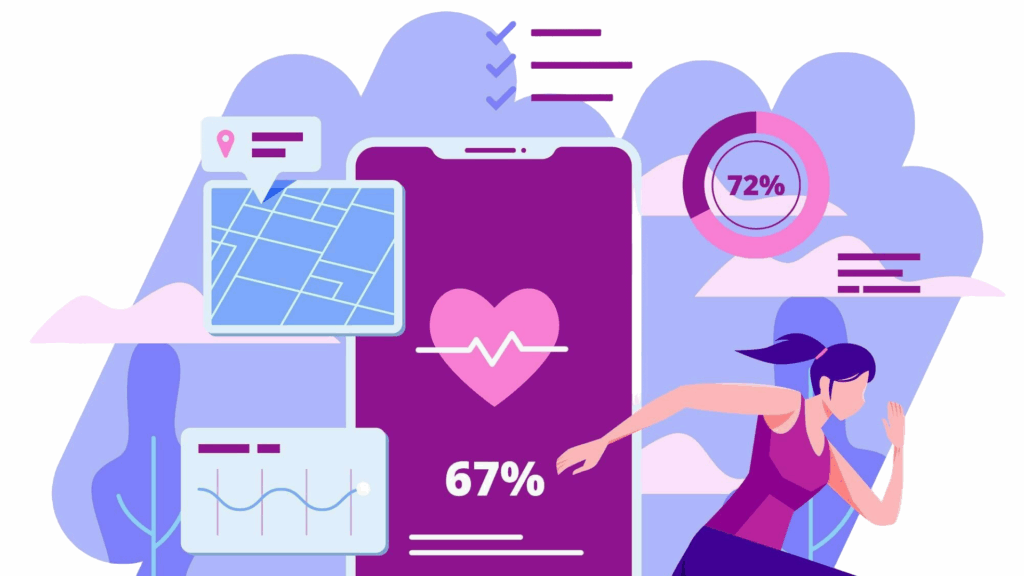
Digital biomarkers represent more than technological advancement; they embody a fundamental shift in how we conceptualize and manage health. By enabling continuous monitoring, early detection, and personalized interventions, these technologies promise to extend healthspan, reduce disease burden, and transform healthcare from reactive treatment to proactive prevention.
The journey toward this future requires collaboration, innovation, and commitment to ethical principles that prioritize individual rights while advancing collective health. As technology continues to evolve and integration deepens, digital biomarkers will become increasingly central to healthcare delivery, disease prevention, and health optimization.
The power to predict and prevent disease is within reach. By embracing digital biomarkers and the insights they provide, we can unlock unprecedented improvements in health outcomes, quality of life, and healthcare sustainability. The future of health is digital, predictive, and personalized—and that future is arriving now.
As individuals, healthcare providers, and societies, we stand at a pivotal moment. The choices we make today regarding digital health adoption, privacy protection, and equitable access will shape healthcare for generations to come. By thoughtfully navigating this transition, we can harness the transformative power of digital biomarkers to create a healthier, more resilient future for all.