
Wearable health technology has transformed how we monitor our well-being, making self-care accessible, intuitive, and remarkably effective in our daily lives.

The revolution in personal health management is no longer confined to doctors’ offices or medical facilities. Today, millions of people worldwide are taking charge of their health through sophisticated yet user-friendly wearable devices that track everything from heart rate to sleep patterns, stress levels to blood oxygen saturation. These innovative gadgets have democratized health monitoring, putting powerful medical-grade insights right on your wrist, finger, or even embedded in your clothing.
The global wearable health tech market has exploded in recent years, with projections suggesting it will reach over $60 billion by 2025. This isn’t just a trend—it’s a fundamental shift in how we approach wellness, prevention, and chronic disease management. The convenience of having continuous health data at your fingertips empowers individuals to make informed decisions about their lifestyle, detect potential issues early, and work more effectively with healthcare providers.
🏃♂️ Understanding the Wearable Health Tech Landscape
Wearable health technology encompasses a diverse range of devices designed to monitor various physiological parameters throughout your day. These aren’t just fancy pedometers anymore—modern wearables represent sophisticated medical technology miniaturized into sleek, comfortable designs that seamlessly integrate into your lifestyle.
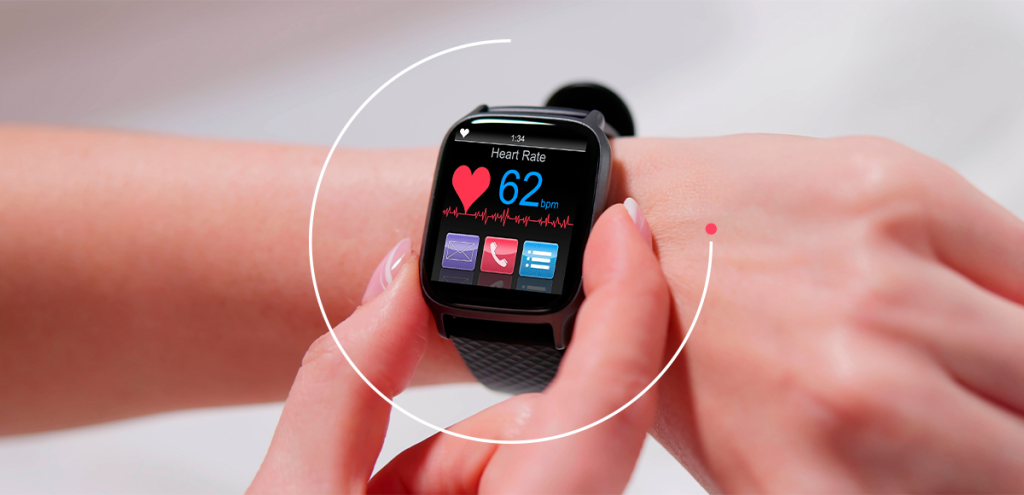
Smartwatches lead the market with comprehensive health tracking capabilities. Devices from major manufacturers now include electrocardiogram (ECG) functionality, blood oxygen monitoring, irregular heart rhythm notifications, and even fall detection with emergency calling. Fitness trackers offer more specialized activity and exercise monitoring at accessible price points, while smart rings provide discreet 24/7 health tracking without the bulkiness of wrist-worn devices.
Specialized wearables target specific health conditions or monitoring needs. Continuous glucose monitors (CGMs) have revolutionized diabetes management by providing real-time blood sugar readings without painful finger pricks. Smart patches monitor medication adherence, hydration levels, and wound healing. Even smart clothing with embedded sensors can track breathing patterns, muscle activity, and posture throughout the day.
💡 Key Health Metrics You Can Track Today
The breadth of health data available through wearables is impressive and growing constantly. Understanding which metrics matter most for your personal health goals helps you choose the right device and interpret the data effectively.
Cardiovascular Health Monitoring
Heart rate tracking has evolved from simple pulse counting to sophisticated analysis that reveals insights about your overall cardiovascular fitness. Resting heart rate trends can indicate improvements in fitness or potential illness. Heart rate variability (HRV) measurements assess your autonomic nervous system balance and recovery status, helping optimize training and stress management.
Advanced wearables now offer ECG capabilities that can detect atrial fibrillation and other irregular heart rhythms—conditions that significantly increase stroke risk when undiagnosed. Blood pressure monitoring is also becoming available in select wearables, though accuracy continues to improve with each generation.
Sleep Quality and Recovery
Sleep tracking has become one of the most valued features in wearable health tech. Modern devices don’t just measure how long you sleep—they analyze sleep stages (light, deep, and REM sleep), detect disruptions, measure breathing irregularities, and even monitor skin temperature changes that correlate with illness or menstrual cycles.
This detailed sleep data helps identify patterns affecting your rest quality. Perhaps you’ll discover that late-night screen time significantly reduces deep sleep, or that your bedroom temperature impacts how often you wake during the night. Armed with these insights, you can make targeted changes that dramatically improve sleep quality and daytime energy.
Activity and Movement Patterns
Physical activity tracking extends far beyond counting steps. Contemporary wearables recognize specific exercise types automatically, measure workout intensity through heart rate zones, calculate calories burned with increasing accuracy, and track your progress toward personalized fitness goals.
Sedentary behavior monitoring has emerged as equally important as activity tracking. Research consistently shows that prolonged sitting poses health risks independent of exercise levels. Wearables now send gentle reminders to move regularly throughout the day, helping break up long periods of inactivity.
Stress and Mental Wellness
The connection between physical and mental health is increasingly reflected in wearable technology. Stress monitoring uses heart rate variability, breathing patterns, and other physiological markers to estimate your stress levels throughout the day. Some devices offer guided breathing exercises or mindfulness reminders when stress levels climb.
This objective stress data helps you identify specific situations, times of day, or activities that trigger stress responses. You might discover that your stress spikes during specific meetings, after certain foods, or when you haven’t exercised—insights that enable targeted stress management strategies.
🎯 Choosing the Right Wearable for Your Needs
The abundance of wearable health tech options can feel overwhelming. Selecting the device that best serves your specific health goals, lifestyle, and budget requires considering several factors carefully.
Start by identifying your primary health monitoring objectives. Are you focused on fitness improvement, chronic condition management, general wellness tracking, or specific concerns like sleep quality or stress? Your primary goals should guide your device selection since different wearables excel in different areas.
Battery life varies dramatically across devices—from daily charging requirements for feature-rich smartwatches to weeks or even months for simpler fitness trackers and smart rings. Consider honestly how frequently you’re willing to charge your device, as consistent wear is crucial for accurate long-term trends.
Compatibility with your smartphone ecosystem matters significantly. While many wearables work across platforms, some offer enhanced features when paired with specific operating systems. Check that your preferred device integrates smoothly with your phone and any other health apps you use.
Accuracy standards differ between consumer wearables and medical-grade devices. For serious health conditions requiring precise measurements, consult your healthcare provider about which devices meet clinical accuracy requirements. Consumer wearables excel at tracking trends over time, even if absolute accuracy varies.
📊 Making Sense of Your Health Data
Collecting health data is just the beginning—the real value comes from interpreting these numbers and translating them into actionable insights. Without proper context and analysis, wearable data can overwhelm rather than empower.
Focus on trends rather than single data points. Daily fluctuations in metrics like resting heart rate, sleep quality, or stress levels are normal and expected. What matters most are patterns over weeks and months that reveal meaningful changes in your health status or responses to lifestyle modifications.
Establish your personal baselines before making dramatic interpretations. Everyone’s “normal” differs based on genetics, fitness level, age, and numerous other factors. Spend your first few weeks simply observing your typical ranges for various metrics without judgment, creating a reference point for future comparisons.
Contextualize your data within your lifestyle. A spike in resting heart rate might indicate overtraining, approaching illness, or simply that you had an extra cup of coffee. Reduced sleep quality could relate to stress, room temperature, alcohol consumption, or screen time before bed. Look for correlations between your metrics and daily activities to identify meaningful patterns.
Setting Realistic Goals and Tracking Progress
Wearable health tech excels at helping you set, pursue, and achieve meaningful health goals. The key lies in creating objectives that are specific, measurable, and appropriately challenging without being discouraging.
Start with small, achievable targets rather than dramatic overhauls. If you currently average 3,000 steps daily, aiming for 10,000 immediately sets you up for frustration. Instead, target 4,000 steps for two weeks, then incrementally increase. This gradual approach builds sustainable habits while maintaining motivation through regular achievements.
Use the detailed feedback from your wearable to refine your approach continuously. Notice which activities or times of day contribute most effectively toward your goals. Perhaps morning walks boost your step count more reliably than evening plans that often get postponed, or maybe certain workout types elevate your heart rate into optimal zones more efficiently than others.
🔐 Privacy and Data Security Considerations
Wearable health devices collect intimate details about your body and daily habits, raising important questions about data privacy and security. Being informed about how your health data is stored, shared, and protected is essential for making confident decisions about wearable tech.
Review privacy policies carefully before purchasing any wearable device. Understand what data the manufacturer collects, how they store it, who can access it, and whether they share or sell anonymized data to third parties. Some companies have stronger privacy commitments than others, making this an important selection criterion.
Control your data sharing settings actively. Most wearable apps allow you to customize which data points are collected, stored in the cloud, or shared with other apps and services. Disable features you don’t use to minimize unnecessary data collection. Be particularly cautious about granting health data access to third-party apps unless absolutely necessary.
Consider data portability and ownership. Can you export your health data if you switch devices or manufacturers? Some ecosystems make data migration difficult, effectively locking you into their platform. Choosing systems with strong data export capabilities preserves your flexibility and ensures you maintain control over your health information.
🚀 Advanced Features Transforming Health Management
The cutting edge of wearable health technology extends beyond basic tracking into sophisticated capabilities that were unimaginable just years ago. These advanced features are making wearables increasingly valuable tools for serious health management.
Predictive Health Insights
Artificial intelligence and machine learning algorithms now analyze your historical health data to predict future trends and potential issues. Some wearables can detect early signs of illness before you feel symptoms—elevated resting heart rate, unusual sleep disruptions, or temperature variations often precede cold or flu symptoms by 24-48 hours.
Menstrual and fertility tracking has become remarkably sophisticated in wearables. By monitoring subtle temperature variations, heart rate patterns, and other physiological markers, modern devices can predict fertile windows, menstrual periods, and even detect early pregnancy with increasing accuracy.
Integration with Healthcare Systems
Progressive healthcare providers now incorporate wearable data into patient care directly. Remote patient monitoring programs use wearable tech to track chronic conditions like heart failure, diabetes, and hypertension between office visits. This continuous monitoring enables earlier intervention when metrics trend in concerning directions, potentially preventing hospitalizations.
Some insurance companies offer premium discounts or wellness incentives for members who share health data from wearables, demonstrating improved activity levels or health metrics. While these programs raise privacy considerations worth evaluating, they can provide financial motivation for maintaining healthy habits.
Emergency Response Features
Life-saving emergency features increasingly differentiate premium wearables. Fall detection with automatic emergency calling can summon help for elderly users or anyone who becomes incapacitated. Irregular heart rhythm notifications have literally saved lives by prompting wearers to seek medical attention for previously undiagnosed atrial fibrillation.
Some wearables now include features for extreme situations—crash detection that can alert emergency services after vehicle accidents, emergency SOS functionality that works even without your phone nearby, and location tracking that helps first responders find you quickly.
💪 Maximizing the Benefits of Your Wearable Health Tech
Owning wearable health technology is just the first step—extracting maximum value requires intentional strategies and consistent engagement with both the device and the data it provides.
Wear your device consistently, including during sleep if it tracks rest quality. Gaps in data collection prevent the establishment of accurate baselines and make trend identification difficult. Most people adapt to wearing devices 24/7 within a week or two, after which you’ll barely notice it.
Regularly review your health dashboard rather than passively collecting data. Set aside time weekly to examine trends, celebrate progress toward goals, and identify areas needing attention. This regular engagement transforms raw data into actionable health insights.
Experiment with your wearable’s features systematically. Many advanced capabilities go unused simply because wearers don’t explore beyond basic step counting. Try guided workouts, breathing exercises, sleep analysis tools, and other features—you might discover valuable capabilities you didn’t know existed.
Share relevant data with healthcare providers during appointments. Presenting objective measurements from weeks or months of continuous monitoring provides far richer information than relying on memory or isolated office measurements. Many physicians appreciate this detailed data when diagnosing issues or evaluating treatment effectiveness.
🌟 The Future of Wearable Health Technology
Wearable health tech continues evolving at a remarkable pace, with emerging capabilities that promise to make these devices even more valuable for health monitoring and disease prevention.
Non-invasive glucose monitoring represents one of the most anticipated breakthroughs. While currently available continuous glucose monitors require sensor insertion through the skin, major manufacturers are developing optical sensors that measure blood glucose through the skin non-invasively. This technology would benefit not only diabetics but anyone interested in understanding how foods affect their blood sugar.
Hydration monitoring through bioimpedance sensors could help athletes, elderly individuals, and anyone prone to dehydration maintain optimal fluid balance. Blood pressure monitoring accuracy continues improving, potentially making 24-hour ambulatory blood pressure monitoring accessible to everyone through their everyday wearable.
Mental health monitoring is becoming increasingly sophisticated as algorithms learn to detect patterns associated with depression, anxiety, and other conditions through changes in activity, sleep, heart rate variability, and other metrics. While not replacing professional mental health care, these features could help individuals and their providers track mood-related patterns and treatment effectiveness.
Medication adherence monitoring through smart patches, pills, or injectors that communicate with wearables could dramatically improve treatment outcomes. Many chronic conditions remain uncontrolled not because treatments don’t work, but because patients struggle to take medications consistently as prescribed.
⚡ Taking Your First Steps with Wearable Health Tech
If you’re new to wearable health technology, starting your journey requires just a few thoughtful steps to ensure you select the right device and establish effective monitoring habits.
Research thoroughly before purchasing. Read reviews from actual users, not just marketing materials. Look for feedback about accuracy, comfort, battery life, and customer support experiences. Consider whether you want a full-featured smartwatch or a more focused fitness tracker based on your primary objectives.
Start simple with your tracking goals. Don’t try monitoring every possible metric immediately—this leads to data overload and abandonment. Pick two or three health areas to focus on initially, such as daily activity and sleep quality, then gradually explore additional features as monitoring becomes habitual.
Give yourself an adjustment period. The first week or two with a new wearable involves adaptation—both to wearing the device and interpreting the data. Resist making dramatic lifestyle changes based on initial readings. Instead, observe patterns and establish your personal baselines before implementing changes.
Join communities of other wearable users. Online forums, social media groups, and manufacturer communities provide valuable tips for maximizing your device’s capabilities, troubleshooting issues, and staying motivated through shared experiences and friendly competition.
Wearable health technology has fundamentally changed personal health management, making sophisticated self-monitoring accessible, convenient, and actionable. These devices empower you to understand your body’s patterns, detect potential issues early, optimize your lifestyle choices, and work more effectively with healthcare providers. Whether you’re managing a chronic condition, pursuing fitness goals, or simply seeking to maintain good health, wearable tech provides the insights and motivation needed to stay ahead of the game. The future of healthcare is increasingly personalized, preventive, and participatory—and wearable health technology puts you firmly in control of your own wellness journey. By choosing the right device, engaging consistently with your data, and translating insights into healthy actions, you can harness this remarkable technology to live a longer, healthier, and more vibrant life. 🌈