Your gut and brain are in constant conversation, influencing everything from your emotions to your energy levels in ways science is only beginning to fully understand.

🧠 The Fascinating Highway Between Your Belly and Your Brain
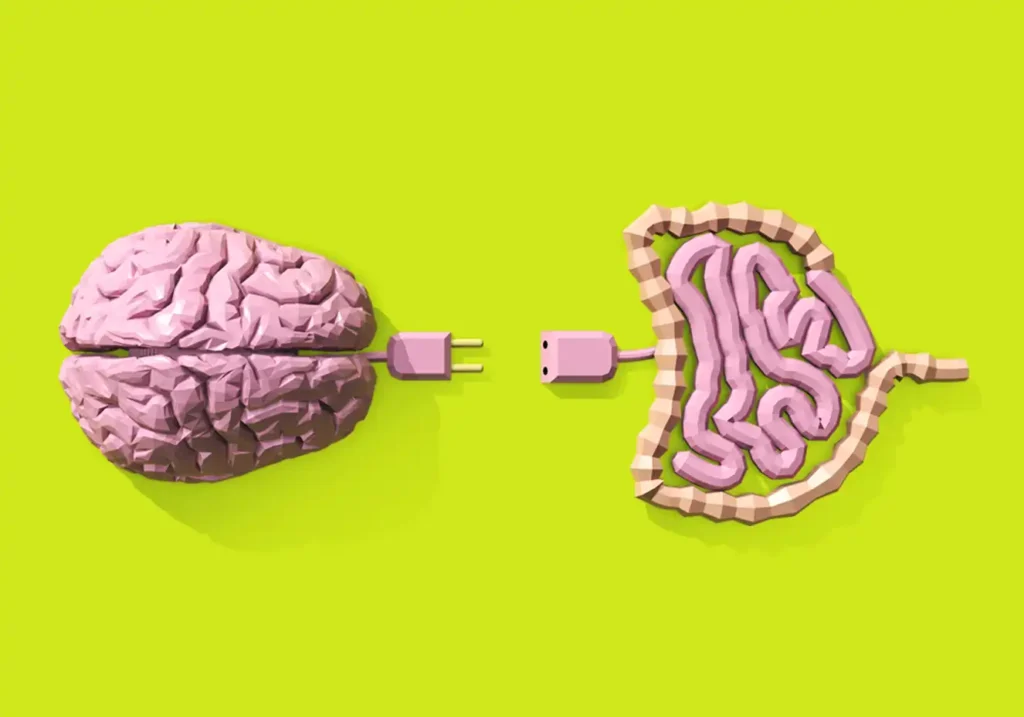
The connection between your digestive system and mental well-being isn’t just metaphorical—it’s a sophisticated biological network that operates 24/7. This intricate system, known as the gut-brain axis, represents one of the most exciting frontiers in modern health research. Scientists have discovered that the trillions of microorganisms living in your digestive tract don’t just help digest food; they actively participate in regulating your mood, anxiety levels, and overall mental health.
The vagus nerve serves as the primary communication superhighway between your gut and brain, transmitting signals in both directions. This remarkable nerve extends from your brainstem all the way down to your abdomen, carrying information about everything happening in your digestive system directly to your central nervous system. What makes this even more fascinating is that approximately 90% of these signals travel upward from gut to brain, not the other way around.
Your gut produces an astounding array of neurotransmitters—the same chemical messengers your brain uses to regulate mood. In fact, about 95% of your body’s serotonin, often called the “happiness hormone,” is manufactured in your gastrointestinal tract. This single statistic illuminates why digestive health plays such a critical role in emotional regulation and mental clarity.
🦠 Meet Your Microscopic Mood Managers
The gut microbiome—that complex ecosystem of bacteria, viruses, fungi, and other microorganisms residing in your intestines—contains approximately 100 trillion organisms. That’s more than ten times the number of cells in your entire body. These microscopic residents aren’t passive passengers; they’re active participants in your health, producing vitamins, breaking down toxins, training your immune system, and yes, influencing your emotional state.
Different bacterial strains produce different effects on mood and cognition. Certain beneficial bacteria manufacture gamma-aminobutyric acid (GABA), a neurotransmitter that helps calm nervous activity and reduce anxiety. Other strains produce short-chain fatty acids like butyrate, which not only nourish the cells lining your intestines but also appear to have anti-inflammatory effects that extend to the brain.
When your microbiome falls out of balance—a condition called dysbiosis—the consequences extend far beyond digestive discomfort. Research has linked microbial imbalances to increased rates of depression, anxiety, and even neurodegenerative conditions. The inflammatory signals generated by an unhealthy gut can cross the blood-brain barrier, triggering inflammation in brain tissue itself.
The Stress-Gut Vicious Cycle
Stress and gut health engage in a bidirectional relationship that can spiral in either direction. When you experience psychological stress, your body releases cortisol and other stress hormones that alter gut motility, increase intestinal permeability (sometimes called “leaky gut”), and shift the microbial composition toward harmful species. This disrupted gut then sends inflammatory signals back to the brain, amplifying feelings of anxiety and stress.
Breaking this cycle requires addressing both the psychological and physiological components. Stress management techniques like meditation, deep breathing, and regular exercise help calm the signals traveling from brain to gut. Meanwhile, supporting digestive health through nutrition and lifestyle choices helps reduce the inflammatory messages traveling in the opposite direction.
🥗 Eating Your Way to Better Mental Health
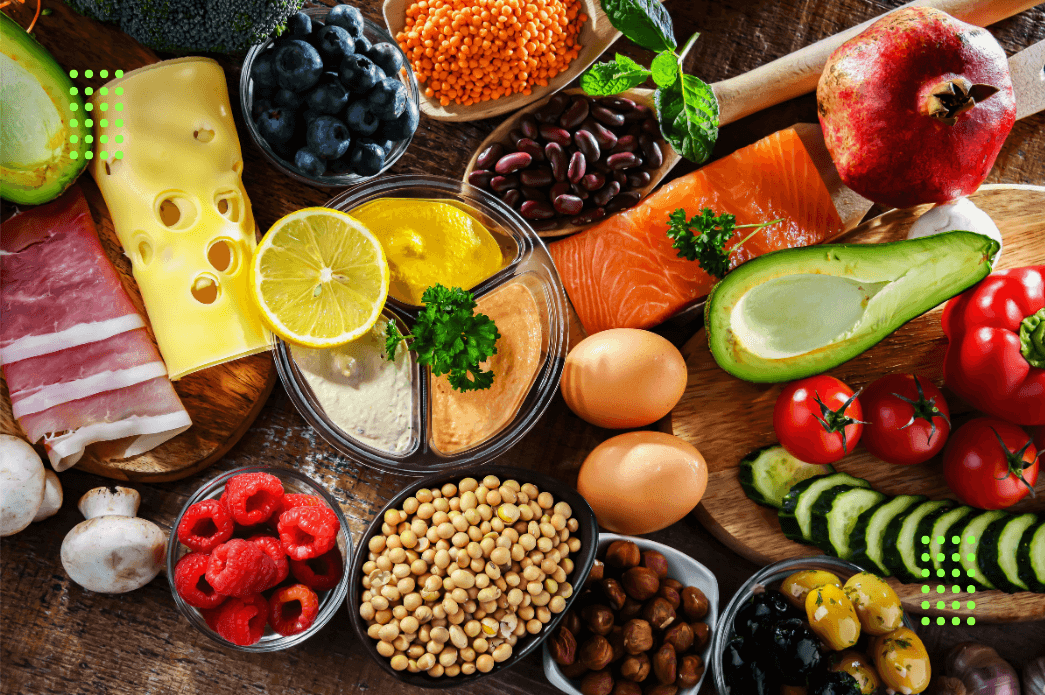
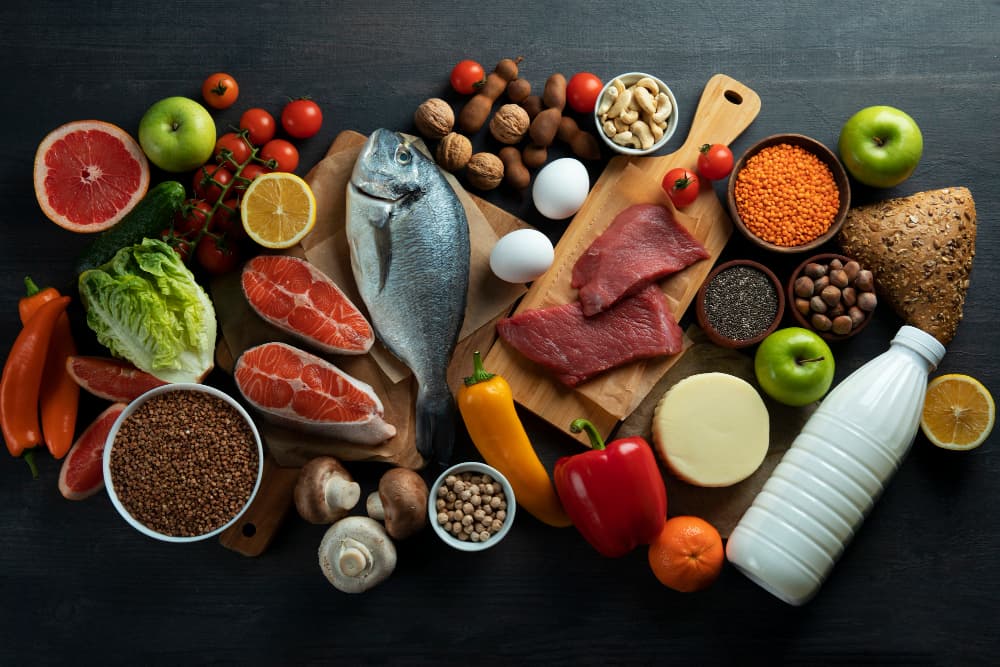
The food choices you make three times a day represent powerful opportunities to influence your gut microbiome and, by extension, your mood. A diet rich in diverse plant foods provides the fiber that beneficial bacteria need to thrive. These microbes ferment dietary fiber into those valuable short-chain fatty acids that support both gut lining integrity and brain health.
Fermented foods deserve special mention in any discussion of gut-brain health. Yogurt, kefir, sauerkraut, kimchi, kombucha, and other fermented options deliver beneficial bacteria directly to your digestive system. Studies have shown that regular consumption of fermented foods can reduce social anxiety, improve stress resilience, and enhance overall mood stability.
Conversely, certain dietary patterns actively harm the gut-brain connection. Ultra-processed foods, excessive sugar, and artificial additives can promote the growth of harmful bacterial species while starving beneficial ones. The Standard Western Diet, characterized by high levels of refined carbohydrates and low fiber content, has been repeatedly linked to higher rates of depression and anxiety.
Key Nutrients for Optimal Gut-Brain Function
Several specific nutrients play outsized roles in maintaining healthy gut-brain communication:
- Omega-3 fatty acids: These anti-inflammatory fats, abundant in fatty fish, walnuts, and flaxseeds, support both brain structure and gut barrier function
- Polyphenols: Found in berries, dark chocolate, green tea, and colorful vegetables, these plant compounds feed beneficial bacteria and reduce inflammation
- Tryptophan: This amino acid, present in turkey, eggs, and cheese, serves as the building block for serotonin production
- Vitamin D: Often deficient in modern populations, this vitamin influences both gut microbial diversity and neurotransmitter synthesis
- B vitamins: Particularly B12, folate, and B6, these vitamins are essential for neurotransmitter production and nervous system health
- Zinc and magnesium: These minerals support hundreds of enzymatic reactions involved in both digestive and neurological function
💊 The Probiotic Revolution in Mental Health
The term “psychobiotics” has emerged to describe specific probiotic strains that confer mental health benefits. Research in this area has exploded over the past decade, with numerous clinical trials demonstrating that certain bacterial supplements can reduce symptoms of depression and anxiety as effectively as some conventional treatments.
Lactobacillus and Bifidobacterium species have received the most attention in psychobiotic research. Studies have shown that specific strains within these families can lower cortisol levels, reduce anxiety-related behaviors, and improve mood scores in both animal models and human trials. The mechanisms involve multiple pathways: neurotransmitter production, vagus nerve stimulation, immune system modulation, and reduction of gut permeability.
However, not all probiotics are created equal. The effects are highly strain-specific, meaning that one particular variant of Lactobacillus might offer mental health benefits while a closely related strain does not. This specificity underscores the importance of choosing probiotic supplements backed by clinical research for the specific outcomes you’re seeking.
Beyond Probiotics: Prebiotics and Postbiotics
While probiotics introduce beneficial bacteria, prebiotics feed the good bacteria already living in your gut. These non-digestible fibers—found in foods like garlic, onions, leeks, asparagus, bananas, and whole grains—selectively nourish beneficial species, helping them outcompete potentially harmful ones.
Postbiotics represent the newest frontier in gut health science. These are the beneficial compounds produced when probiotics consume prebiotics—including those short-chain fatty acids, enzymes, and peptides that directly influence health. Some researchers believe postbiotic supplements may eventually prove more effective than probiotics themselves.
🧘 Lifestyle Practices That Strengthen the Gut-Brain Connection
Nutrition represents just one pillar of gut-brain health. Several lifestyle factors exert powerful influences on this bidirectional communication system.
Physical activity enhances gut microbial diversity independent of diet. Exercise increases the abundance of bacteria that produce butyrate and other beneficial metabolites. Even moderate activity—30 minutes of brisk walking most days—can significantly improve both gut composition and mood regulation. The benefits appear to stem from multiple mechanisms: increased blood flow to the gut, alterations in immune function, and direct effects on bacterial metabolism.
Sleep quality and gut health maintain a reciprocal relationship. Poor sleep disrupts microbial balance, while an unhealthy microbiome can interfere with sleep quality. The gut microbiome follows circadian rhythms, with bacterial populations and their activities fluctuating throughout the day. Maintaining consistent sleep-wake cycles supports these natural rhythms and promotes optimal gut-brain signaling.
Stress management techniques directly benefit gut health. Mindfulness meditation has been shown to increase beneficial bacterial diversity and reduce inflammatory markers. Progressive muscle relaxation, yoga, and deep breathing exercises all activate the parasympathetic nervous system, shifting the body into “rest and digest” mode that supports healthy gut function.
The Social Connection to Gut Health
Emerging research suggests that social interactions may influence gut microbial composition. Studies in primates have found that social bonds correlate with microbiome similarity, suggesting that we may actually share bacteria with those we spend time with. Positive social connections reduce stress and inflammation, creating conditions that favor beneficial bacterial species. Conversely, loneliness and social isolation have been linked to reduced microbial diversity and increased inflammatory markers.
🔬 Cutting-Edge Science and Future Directions
The field of gut-brain research is advancing at a breathtaking pace. Scientists are now developing sophisticated techniques to analyze not just which bacteria are present, but what they’re actually doing—which genes they’re expressing and which metabolites they’re producing. This functional approach promises to unlock even deeper understanding of how specific microbial communities influence mental health.
Fecal microbiota transplantation (FMT), already used successfully to treat certain intestinal infections, is being explored as a potential treatment for depression and anxiety. Early case studies have shown remarkable improvements in some individuals, though controlled trials are still in early stages. The prospect of treating mental health conditions by altering gut microbial composition represents a paradigm shift in psychiatric care.
Personalized nutrition based on individual microbiome composition may soon become standard practice. Companies are already offering microbiome testing services that provide dietary recommendations based on your unique bacterial profile. As the science matures, we may see increasingly tailored interventions that optimize gut-brain health at the individual level.
🌟 Practical Steps to Harness Your Gut-Brain Connection Today
Understanding the science is empowering, but implementing practical changes delivers real results. Here’s a comprehensive approach to optimizing your gut-brain axis:
- Diversify your plant intake: Aim for 30 different plant foods each week, including vegetables, fruits, whole grains, legumes, nuts, and seeds
- Include fermented foods daily: Even small amounts—a few spoonfuls of sauerkraut or a small glass of kefir—can provide benefits
- Minimize processed foods and added sugars: These feed harmful bacteria and promote inflammation
- Stay hydrated: Water supports the mucosal lining of the intestines and helps beneficial bacteria thrive
- Move regularly: Find activities you enjoy and can maintain consistently
- Prioritize sleep: Aim for 7-9 hours nightly with consistent timing
- Practice stress management: Develop a toolkit of techniques that work for your lifestyle
- Consider targeted supplementation: Consult with a healthcare provider about probiotics, prebiotics, omega-3s, or other supplements that might benefit your specific situation
Listening to Your Body’s Signals
Developing awareness of how your digestive system responds to different foods, stressors, and lifestyle factors creates a powerful feedback loop. Keep a journal tracking meals, stress levels, sleep quality, and mood. Over time, patterns will emerge that reveal your personal gut-brain connections. This self-knowledge empowers you to make choices that support both digestive comfort and emotional well-being.
🎯 The Holistic Vision of Gut-Brain Wellness
The gut-brain connection reminds us that human health cannot be compartmentalized into separate systems. Your digestive health influences your mental state, your stress levels affect your gut function, your social connections shape your microbiome, and your microbiome influences your behavior and choices. This interconnected web means that improvements in one area naturally cascade into others.
This holistic perspective offers hope for those struggling with mood disorders, anxiety, or general malaise. Rather than viewing mental health as purely psychological, we can now appreciate the profound influence of physical factors—particularly gut health—on emotional well-being. This doesn’t diminish the value of psychological interventions; rather, it expands our toolkit for supporting mental health through multiple complementary approaches.
The emerging understanding of psychobiotics and the gut-brain axis suggests that the future of mental health care will increasingly integrate nutritional and lifestyle interventions alongside traditional therapeutic approaches. This integrated model recognizes that lasting wellness requires addressing the whole person—mind, body, and the trillions of microscopic allies residing within.
Your journey toward optimizing the gut-brain connection is deeply personal. What works beautifully for one person may not suit another, given our unique microbial signatures, genetic backgrounds, and life circumstances. Approach this exploration with curiosity rather than rigid rules, paying attention to how different foods and practices make you feel both physically and emotionally.
The power to influence your mood, energy, and mental clarity through gut health represents one of the most accessible and empowering aspects of modern wellness science. Every meal, every moment of movement, every good night’s sleep, and every stress management practice contributes to the conversation between your gut and brain. By nurturing this connection with intention and consistency, you’re investing in not just digestive comfort, but in emotional resilience, mental clarity, and overall vitality—the foundation of a happier, healthier you. 🌈