
Cupping therapy has emerged from ancient healing practices to become one of the most sought-after wellness treatments in modern holistic health circles worldwide.

This time-honored therapeutic technique, which involves placing specialized cups on the skin to create suction, has been practiced for thousands of years across multiple cultures. From traditional Chinese medicine to Middle Eastern healing practices, cupping has maintained its relevance through centuries of medical evolution. Today, professional athletes, celebrities, and wellness enthusiasts are rediscovering the profound benefits this ancient modality offers for pain relief, detoxification, and overall well-being.
The resurgence of cupping therapy in contemporary wellness culture represents more than just a passing trend. It reflects a growing recognition that ancient healing wisdom can complement modern medical approaches, offering natural alternatives for managing chronic conditions, reducing inflammation, and promoting the body’s innate healing capabilities. As we navigate increasingly stressful lifestyles and seek holistic solutions to health challenges, cupping provides a bridge between ancestral knowledge and present-day therapeutic needs.
🏺 The Ancient Origins of Cupping Therapy
Cupping therapy’s roots extend back over 3,000 years, with evidence of its practice found in ancient Egyptian, Chinese, and Middle Eastern civilizations. The Ebers Papyrus, one of the oldest medical textbooks dating to 1550 BCE, documents the use of cupping in ancient Egypt. Similarly, traditional Chinese medicine has incorporated cupping as a fundamental treatment method for millennia, believing it helps balance the body’s qi (vital energy) and remove stagnation.
In Islamic medicine, cupping—known as “hijama”—holds particular significance and was recommended by the Prophet Muhammad as a beneficial healing practice. Ancient Greek physicians, including Hippocrates, also utilized cupping techniques to treat various ailments, from respiratory conditions to musculoskeletal pain. This widespread adoption across diverse cultures speaks to cupping’s observed effectiveness throughout human history.
Traditional practitioners viewed cupping as a method to draw out toxins, improve blood circulation, and restore balance to the body’s systems. The fundamental principle remained consistent across cultures: creating negative pressure on the skin’s surface could stimulate healing responses deep within the body’s tissues and organs.
Understanding How Cupping Therapy Works
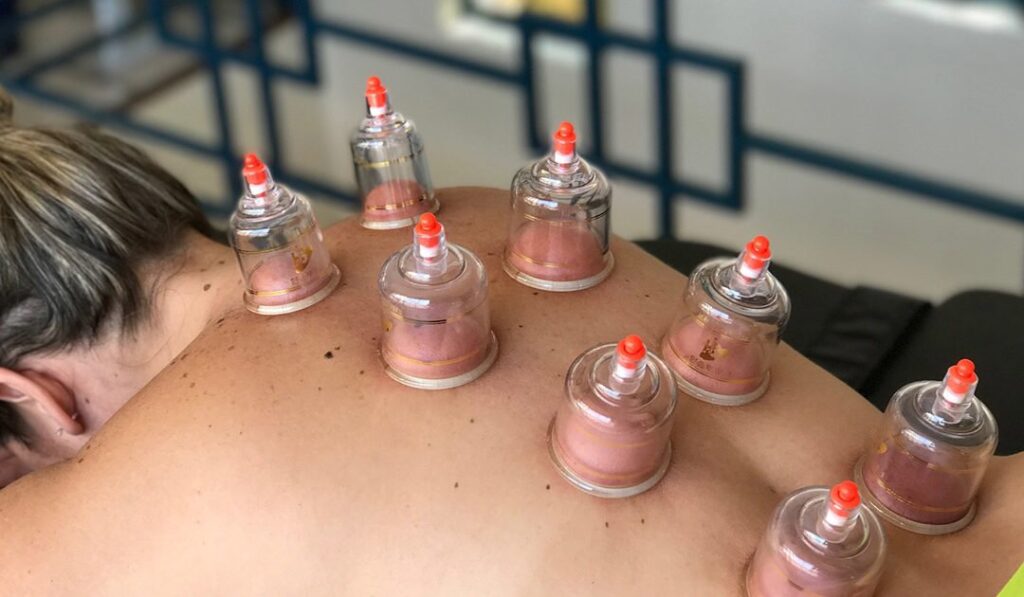
The mechanics of cupping therapy center on creating localized suction on the skin’s surface using specialized cups made from glass, bamboo, silicone, or plastic. When applied to the body, these cups create negative pressure that draws skin and superficial muscle tissue upward into the cup. This suction effect triggers several physiological responses that contribute to the therapy’s healing benefits.
The negative pressure increases blood flow to the treated area, bringing oxygen-rich blood and nutrients to tissues while facilitating the removal of metabolic waste products. This enhanced circulation can accelerate healing processes, reduce inflammation, and alleviate muscle tension. The suction also stretches connective tissue, releasing fascial adhesions that may restrict movement and cause discomfort.
Modern research suggests that cupping stimulates the nervous system, potentially triggering the release of endorphins and other natural pain-relieving compounds. The treatment may also influence the lymphatic system, supporting the body’s natural detoxification processes. Some practitioners believe cupping helps regulate immune function by stimulating the production of certain beneficial compounds at the treatment site.
The Science Behind the Circular Marks
The distinctive circular marks left by cupping cups often raise questions and concerns among those unfamiliar with the practice. These discolorations, ranging from light pink to deep purple, are not bruises in the traditional sense. Instead, they represent the drawing of stagnant blood and cellular debris from deep tissues to the surface, where the body can more efficiently process and eliminate these substances.
The color and intensity of cupping marks can provide practitioners with diagnostic information about the condition of underlying tissues. Darker marks may indicate areas with greater stagnation, inflammation, or toxin accumulation, while lighter marks suggest healthier tissue conditions. These marks typically fade within 3-10 days as the body processes the released materials.
💆 Different Types of Cupping Techniques
Cupping therapy has evolved to include several distinct approaches, each offering unique benefits and applications. Understanding these variations helps individuals select the most appropriate technique for their specific health needs and comfort levels.
Dry Cupping
Dry cupping represents the most common form of this therapy. Practitioners place cups on specific body points and create suction using either heat (fire cupping) or mechanical pumps. The cups remain in place for 5-15 minutes, during which the suction draws tissues upward. This technique is excellent for muscle relaxation, pain relief, and improving circulation without breaking the skin.
Wet Cupping (Hijama)
Wet cupping involves a two-step process where practitioners first apply suction, then make small, superficial incisions in the skin before reapplying the cups. This allows the removal of small amounts of blood, which traditional practitioners believe helps eliminate toxins and disease-causing substances. Wet cupping requires specialized training and sterile techniques to ensure safety and prevent infection.
Moving or Gliding Cupping
This dynamic technique involves applying oil to the skin and then moving suctioned cups along muscle groups or meridian lines. Moving cupping provides myofascial release similar to deep tissue massage, helping to break up adhesions and reduce muscle tightness. Many patients find this method particularly effective for treating large muscle groups in the back, legs, and shoulders.
Flash Cupping
Flash cupping involves rapidly applying and removing cups from treatment areas in quick succession. This technique creates a pumping action that stimulates blood flow and qi movement without leaving significant marks. It’s particularly useful for sensitive areas or patients concerned about the visible effects of traditional cupping.
🌟 Evidence-Based Health Benefits
While cupping therapy has historical roots in traditional medicine, contemporary research has begun examining its therapeutic effects through a scientific lens. Studies and clinical observations have identified numerous potential benefits associated with regular cupping treatments.
Pain Management and Musculoskeletal Conditions
Research indicates that cupping therapy may effectively reduce chronic pain conditions, particularly back pain, neck pain, and shoulder discomfort. A systematic review published in medical journals found that cupping significantly reduced pain intensity compared to control treatments. The therapy appears particularly beneficial for chronic non-specific neck pain, with effects lasting several weeks after treatment.
Athletes frequently incorporate cupping into their recovery protocols, reporting reduced muscle soreness and improved flexibility. The increased circulation promoted by cupping may accelerate the removal of lactic acid and other metabolic byproducts that accumulate during intense physical activity, potentially speeding recovery between training sessions.
Respiratory Health Support
Traditional practitioners have long used cupping to address respiratory conditions, including bronchitis, asthma, and congestion. The therapy may help clear mucus from the lungs, reduce inflammation in respiratory tissues, and improve breathing capacity. When applied to the back between the shoulder blades, cupping can promote drainage from congested lung tissues.
Stress Reduction and Relaxation
Beyond physical benefits, cupping therapy offers significant stress-relieving effects. The parasympathetic nervous system activation during treatment promotes deep relaxation, reducing cortisol levels and easing anxiety. Many recipients report feeling profoundly calm during and after cupping sessions, with improved sleep quality in the days following treatment.
Skin Health and Circulation
Facial cupping has gained popularity as a natural approach to improving skin health and appearance. Gentle suction on facial tissues increases blood flow, potentially reducing fine lines, improving skin tone, and promoting a healthy glow. Body cupping may also help reduce the appearance of cellulite by improving circulation and breaking down fatty deposits beneath the skin.
What to Expect During Your First Cupping Session ✨
Understanding the cupping experience helps reduce anxiety and ensures you maximize the benefits of your treatment. Most first-time sessions begin with a consultation where the practitioner assesses your health history, current concerns, and treatment goals.
The practitioner will typically have you lie comfortably on a treatment table, often face down if treating the back. They’ll identify specific points or areas requiring attention based on your symptoms and traditional meridian theory. The application of cups involves creating suction through heat or mechanical means—you’ll feel a pulling sensation as your skin rises into the cup, but this should not be painful.
During the session, which usually lasts 30-60 minutes, you may experience tightness and warmth in the treated areas. Many people find the sensation deeply relaxing once they adjust to the unique feeling. Communication with your practitioner is essential—inform them if you experience discomfort beyond mild pulling or tightness.
After cup removal, the practitioner may massage treated areas to help disperse stagnant fluids and reduce any lingering tightness. You’ll notice the characteristic circular marks, which shouldn’t cause pain despite their dramatic appearance. Post-treatment, staying hydrated helps your body process released toxins and metabolic waste.
🔍 Safety Considerations and Contraindications
While cupping therapy is generally safe when performed by trained practitioners, certain precautions and contraindications deserve attention. Understanding these limitations ensures you receive treatment safely and avoid potential complications.
Cupping should be avoided in individuals with certain conditions, including:
- Active skin infections, wounds, or severe dermatological conditions in treatment areas
- Blood clotting disorders or those taking anticoagulant medications
- Pregnancy, particularly abdominal and lower back cupping
- Severe cardiovascular disease or individuals with pacemakers
- Recent surgery or fractures in treatment areas
- Cancer, particularly in areas with known tumors
- Severe anemia or hemophilia
Always disclose your complete medical history to your cupping practitioner before beginning treatment. Qualified practitioners should conduct thorough health screenings and modify techniques based on individual circumstances. Side effects are typically minimal but may include temporary discomfort, dizziness, or mild nausea during or immediately after treatment.
Integrating Cupping into Your Modern Wellness Routine
Incorporating cupping therapy into a comprehensive wellness approach amplifies its benefits and supports overall health optimization. Rather than viewing cupping as an isolated treatment, consider it one component of a holistic health strategy that includes proper nutrition, regular exercise, stress management, and adequate sleep.
Treatment frequency depends on individual needs and conditions being addressed. Acute issues may respond to weekly sessions over several weeks, while chronic conditions might benefit from regular monthly maintenance treatments. Athletes often schedule cupping sessions as part of their recovery protocols following intense training or competition.
Combining cupping with complementary therapies can enhance overall results. Many practitioners integrate cupping with acupuncture, massage therapy, herbal medicine, or physical therapy for synergistic effects. This integrative approach addresses health concerns from multiple angles, potentially accelerating healing and improving outcomes.
Finding Qualified Practitioners
Selecting a properly trained cupping therapist is essential for safe, effective treatment. Look for practitioners with formal training in cupping therapy, preferably those also licensed in related fields such as acupuncture, traditional Chinese medicine, massage therapy, or naturopathic medicine. Professional associations and licensing boards can help verify credentials.
During your search, don’t hesitate to ask potential practitioners about their training, experience, and sterilization protocols. Reputable therapists welcome these questions and should clearly explain their approach, expected outcomes, and any potential risks. Reading reviews from previous clients provides additional insight into practitioners’ expertise and patient care quality.
🏡 At-Home Cupping: Benefits and Limitations
The growing popularity of cupping has led to increased availability of home cupping kits, making this ancient therapy more accessible than ever. These kits typically include silicone or plastic cups with manual suction pumps, offering a convenient option for self-treatment between professional sessions.
Home cupping can effectively address minor muscle tension, support recovery after workouts, and provide relaxation benefits. Silicone cups are particularly user-friendly, allowing you to control suction intensity easily. Many people successfully use home cupping for shoulder tension, leg soreness, and minor back discomfort.
However, self-treatment has limitations. Without professional training, you may miss important contraindications, apply cups incorrectly, or fail to identify underlying conditions requiring different treatment approaches. Home cupping should complement rather than replace professional care, especially for chronic or complex health issues. Always start conservatively with lighter suction and shorter duration, gradually increasing intensity as you become familiar with the technique.
The Future of Cupping in Integrative Medicine 🔮
As healthcare evolves toward more integrative models that combine conventional and complementary approaches, cupping therapy is finding its place in mainstream medical settings. Research institutions are conducting rigorous studies to better understand cupping’s mechanisms and optimize its application for specific conditions.
Advanced technologies are emerging that enhance traditional cupping practices. Electronic cupping devices now offer precise suction control, programmable treatment protocols, and data tracking capabilities. These innovations make cupping more accessible while maintaining the therapy’s fundamental principles and benefits.
Medical professionals increasingly recognize that ancient healing traditions like cupping offer valuable tools for addressing modern health challenges, particularly chronic pain conditions that respond poorly to conventional treatments alone. Insurance coverage for cupping therapy is expanding in some regions, reflecting growing acceptance of its therapeutic value.
The integration of cupping into sports medicine, pain management clinics, and wellness centers continues accelerating. Physical therapists, chiropractors, and even some physicians are adding cupping to their treatment offerings, recognizing its potential to enhance patient outcomes when used appropriately alongside conventional interventions.
Embracing Ancient Wisdom for Contemporary Health Challenges
The remarkable journey of cupping therapy from ancient healing tradition to modern wellness practice demonstrates the enduring value of time-tested therapeutic approaches. In our technology-driven age, there’s something profoundly meaningful about reconnecting with healing methods that have served humanity for millennia, refined through countless generations of practice and observation.
Cupping offers more than just physical benefits—it provides an opportunity to slow down, tune into our bodies, and honor the wisdom they contain. The therapy reminds us that healing often requires patience, that our bodies possess remarkable self-repair capabilities when given proper support, and that sometimes the most effective solutions come from understanding rather than fighting against our natural processes.
Whether you’re an athlete seeking enhanced recovery, someone managing chronic pain, or simply exploring holistic approaches to wellness, cupping therapy deserves consideration as part of your health journey. Its impressive safety profile, minimal side effects, and potential for significant benefits make it an accessible option for most individuals interested in complementary healing approaches.
As you explore cupping therapy, approach it with informed curiosity and realistic expectations. Work with qualified practitioners, communicate openly about your experiences, and give the therapy adequate time to demonstrate its effects. Remember that healing is rarely instantaneous—the most profound transformations often unfold gradually through consistent, mindful practice.
The secrets of cupping are not really secrets at all, but rather ancient truths about health and healing that we’re rediscovering and reintegrating into modern wellness consciousness. By embracing these time-honored practices while benefiting from contemporary understanding and safety standards, we create bridges between past and present, between traditional wisdom and scientific inquiry, ultimately enriching our approaches to health and well-being for generations to come.