
In today’s fast-paced world, stress has become an unwelcome companion for millions of people, affecting physical health, mental clarity, and overall quality of life.

The mounting pressures of modern living—from demanding work schedules and financial worries to relationship challenges and information overload—have created a collective need for effective stress management solutions. While pharmaceutical interventions and conventional therapies have their place, an ancient practice has emerged as one of the most powerful, natural remedies for stress reduction: massage therapy.
Massage therapy isn’t merely a luxury reserved for spa days or special occasions. It’s a scientifically-backed therapeutic intervention that offers profound benefits for both body and mind. As research continues to validate what practitioners have known for centuries, massage is gaining recognition as an essential component of holistic healthcare and stress management programs worldwide.
🧠 Understanding the Stress Response and Its Impact on Your Body
Before exploring how massage therapy addresses stress, it’s crucial to understand what happens in your body when you’re stressed. The stress response, often called the “fight-or-flight” mechanism, triggers a cascade of physiological changes designed to help you survive immediate threats.
When activated, your body releases stress hormones like cortisol and adrenaline, increases heart rate and blood pressure, tenses muscles, and redirects blood flow away from non-essential functions. While this response is life-saving in genuine emergencies, chronic activation wreaks havoc on your health.
Prolonged stress contributes to numerous health problems, including cardiovascular disease, digestive disorders, weakened immunity, chronic pain, anxiety, depression, and sleep disturbances. The accumulated tension particularly manifests in muscles, creating painful knots, restricted movement, and a perpetual state of physical discomfort that further amplifies stress levels.
💆♀️ How Massage Therapy Interrupts the Stress Cycle
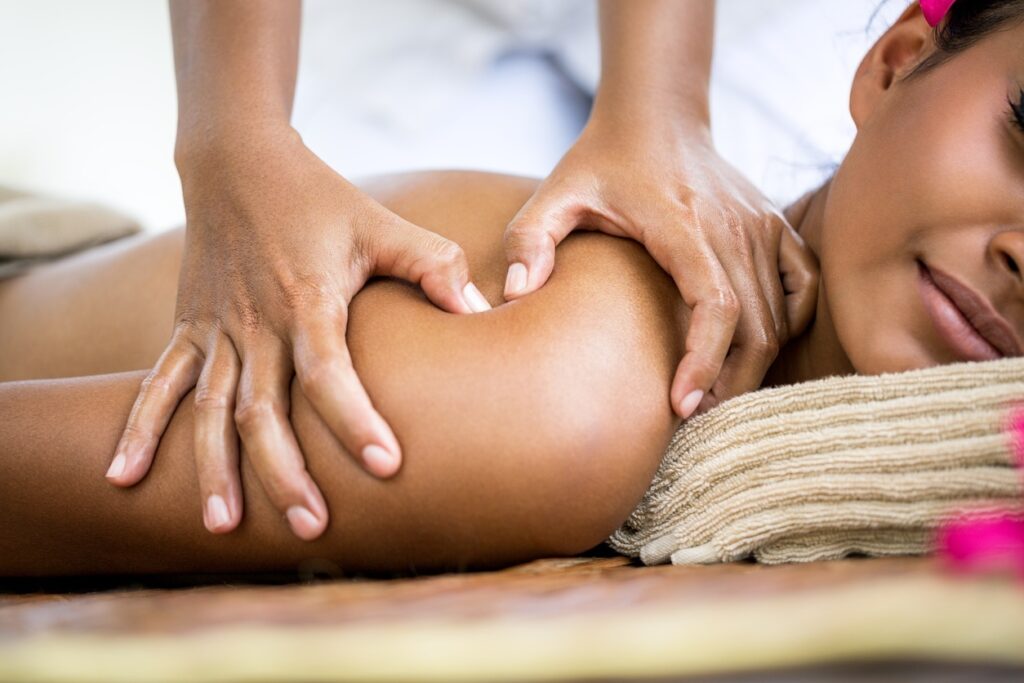
Massage therapy works on multiple levels to counteract stress, addressing both its physical manifestations and psychological components. The therapeutic touch involved in massage triggers the parasympathetic nervous system—your body’s “rest and digest” mode—which directly opposes the stress response.
During a massage session, several powerful processes occur simultaneously. The mechanical manipulation of soft tissues releases muscle tension and improves circulation, while the sensory experience of touch activates neural pathways that promote relaxation and well-being.
The Biochemical Benefits
Research consistently demonstrates that massage therapy produces measurable biochemical changes. Studies have shown that even a single massage session can significantly reduce cortisol levels while simultaneously increasing production of serotonin and dopamine—neurotransmitters associated with happiness and emotional stability.
One landmark study published in the International Journal of Neuroscience found that participants who received massage therapy experienced a 31% decrease in cortisol levels on average. These hormonal shifts explain why people often report feeling both physically relaxed and emotionally uplifted after massage sessions.
🌟 Different Massage Techniques for Stress Management
Not all massage modalities are created equal when it comes to stress reduction. Understanding various techniques can help you select the approach that best suits your needs and preferences.
Swedish Massage: The Relaxation Classic
Swedish massage remains the gold standard for stress relief. This gentle technique uses long, flowing strokes, kneading, and circular movements on superficial muscle layers. The rhythmic nature of Swedish massage induces a meditative state, slowing racing thoughts and promoting deep relaxation.
Deep Tissue Massage: Releasing Chronic Tension
For those carrying stress-related muscle tension deep within their bodies, deep tissue massage provides targeted relief. Using slower strokes and deeper pressure, this technique addresses chronic patterns of muscular tension that accumulate over months or years of stress.
Aromatherapy Massage: Engaging Multiple Senses
Combining massage with essential oils creates a multi-sensory experience that enhances stress reduction. Scents like lavender, chamomile, and bergamot have documented calming properties that complement the physical benefits of massage, creating a synergistic effect.
Hot Stone Massage: Warmth That Melts Stress Away
The integration of heated stones with massage techniques provides additional therapeutic benefits. The warmth penetrates deeply into muscles, promoting relaxation while the stones’ weight and temperature create unique sensory experiences that distract from anxious thoughts.
🔬 The Science Behind Touch and Stress Reduction
The healing power of touch extends beyond mechanical manipulation of tissues. Human beings are wired for tactile connection, and the absence of positive touch contributes to both physical and psychological distress.
Research in neuroscience has revealed that therapeutic touch activates the vagus nerve, a major component of the parasympathetic nervous system. Stimulation of this nerve triggers a cascade of physiological responses that counteract stress, including reduced heart rate, lowered blood pressure, and improved digestion.
Additionally, massage stimulates the release of oxytocin, often called the “bonding hormone” or “love hormone.” This remarkable chemical promotes feelings of trust, connection, and emotional safety—powerful antidotes to the isolation and anxiety that often accompany chronic stress.
⏰ Creating a Sustainable Massage Routine for Long-Term Benefits
While a single massage session provides immediate relief, the most significant stress reduction benefits emerge from regular, consistent practice. Developing a sustainable massage routine requires thoughtful planning and commitment.
For optimal stress management, many healthcare providers recommend weekly or bi-weekly massage sessions initially, particularly for individuals experiencing high stress levels. As stress becomes more manageable and tension patterns improve, monthly maintenance sessions often suffice to preserve gains.
Overcoming Common Barriers
Despite massage therapy’s proven benefits, several obstacles prevent people from accessing this powerful stress reduction tool. Cost concerns rank among the most common barriers, as professional massage can represent a significant ongoing expense.
However, creative solutions exist. Many massage therapy schools offer reduced-rate sessions with supervised students. Community wellness centers sometimes provide sliding-scale fees. Some health insurance plans now cover massage therapy when prescribed for specific conditions related to stress.
Time constraints present another challenge in our busy lives. Yet, even brief 30-minute sessions deliver measurable benefits. Viewing massage as a health priority rather than a luxury helps shift mindset and makes scheduling easier.
🏠 Self-Massage Techniques for Daily Stress Relief
Between professional sessions, self-massage techniques extend stress reduction benefits. While self-massage cannot fully replicate professional treatment, it provides accessible tools for managing tension throughout your day.
Simple techniques include neck and shoulder self-massage using tennis balls against a wall, scalp massage while shampooing, foot massage with a frozen water bottle, and hand massage during work breaks. These brief interventions interrupt stress accumulation and remind your body how relaxation feels.
Several smartphone applications now offer guided self-massage routines and stress management programs that incorporate massage principles. These digital tools make stress reduction techniques more accessible, though they shouldn’t replace professional treatment entirely.
💡 Maximizing Your Massage Experience
To extract maximum stress-reduction benefits from massage therapy, approach sessions with intentionality and mindfulness.
Before Your Session
Arrive early to transition mentally from daily demands to relaxation mode. Avoid caffeine beforehand, as it counteracts the calming effects you’re seeking. Communicate clearly with your therapist about stress symptoms, problem areas, and pressure preferences.
During Your Session
Focus on breathing deeply and slowly, which enhances relaxation and helps release tension. Allow yourself to mentally let go of responsibilities and worries—this dedicated time belongs to you and your wellbeing. If your mind wanders to stressors, gently redirect attention to physical sensations.
After Your Session
Drink plenty of water to help flush metabolic waste released from tissues during massage. Avoid immediately returning to stressful activities; instead, extend the relaxed state by taking a gentle walk, practicing meditation, or simply sitting quietly. Notice and appreciate the physical and mental shifts that have occurred.
🌈 Integrating Massage with Other Stress Management Strategies
While massage therapy is remarkably effective, it works best as part of a comprehensive stress management approach. Complementary practices amplify and extend massage benefits.
Regular exercise creates synergy with massage by improving circulation, releasing endorphins, and building resilience to stress. Mind-body practices like yoga and tai chi share massage’s focus on body awareness and relaxation. Meditation and mindfulness training enhance your ability to maintain the calm state that massage induces.
Adequate sleep, nutritious eating, and strong social connections form the foundation that allows massage therapy to work most effectively. When these elements align, stress reduction becomes not just possible but sustainable.
👥 Special Considerations for Different Life Stages
Stress manifests differently across life stages, and massage therapy adapts to address these varying needs.
Working Professionals
Career demands create specific stress patterns, often manifesting as tension in shoulders, neck, and lower back from prolonged sitting. Targeted massage addressing these areas, combined with postural education, provides relief while preventing chronic problems.
Parents and Caregivers
The physical and emotional demands of caring for others create unique stress profiles. Massage offers essential self-care that replenishes depleted reserves, helping caregivers maintain the energy and patience their roles require.
Seniors
Older adults often experience both increased life stressors and age-related physical changes. Gentle massage techniques adapted for senior bodies reduce stress while improving mobility, circulation, and quality of life.
🎯 Making the Commitment to Stress-Free Living
Embracing massage therapy as a regular stress management practice represents a profound commitment to your wellbeing. In a culture that often glorifies busyness and dismisses self-care as selfish, choosing to prioritize stress reduction through massage is actually a radical act of self-respect.
The investment you make in massage therapy pays dividends across every area of life. Reduced stress improves relationships, enhances work performance, strengthens immunity, and increases overall life satisfaction. The question isn’t whether you can afford massage therapy—it’s whether you can afford to continue living with unmanaged stress.
Starting your massage therapy journey begins with a single session. Research qualified massage therapists in your area, reading reviews and verifying credentials. Many practitioners offer introductory rates or consultations to help you find the right fit.
✨ Transforming Your Relationship with Stress
Regular massage therapy doesn’t just reduce stress—it transforms your relationship with stress itself. As you become more attuned to your body’s signals through massage, you develop earlier awareness of tension accumulation. This heightened body awareness enables proactive stress management rather than reactive crisis intervention.
Many regular massage recipients report that the practice teaches them to carry less tension throughout daily activities. The body learns what relaxation feels like and begins gravitating toward that state naturally. This neurological retraining represents one of massage therapy’s most valuable long-term benefits.
Furthermore, the consistent self-care that massage represents sends a powerful message to your subconscious mind: you are worthy of care, attention, and healing. This shift in self-perception radiates outward, influencing how you approach challenges and set boundaries in all life areas.
The journey from stressed to serene doesn’t happen overnight, but each massage session moves you closer to that destination. By making massage therapy a regular part of your wellness routine, you’re not just treating symptoms—you’re cultivating a fundamentally different way of inhabiting your body and navigating the world.
In choosing massage therapy for stress reduction, you’re joining millions who have discovered this ancient practice’s profound power. Your body possesses remarkable healing capabilities, and massage therapy unlocks that potential, guiding you toward the relaxed, rejuvenated, and resilient life you deserve. The path to peace begins with a single session—isn’t it time to take that first step? 🌺