Art and music therapy are transforming mental health care by offering creative pathways to emotional healing, self-expression, and psychological resilience in ways traditional therapies sometimes cannot.

🎨 Understanding the Foundations of Creative Therapeutic Practices
The intersection of creativity and healing has ancient roots, yet modern therapeutic applications of art and music have evolved into evidence-based clinical practices. These modalities recognize that human expression transcends verbal communication, tapping into emotional reservoirs that words alone cannot reach. When individuals engage with creative processes, they activate neural pathways that facilitate emotional processing, memory integration, and psychological transformation.
Art therapy and music therapy operate on similar principles while utilizing different sensory channels. Both approaches provide non-threatening environments where individuals can explore difficult emotions, traumatic experiences, and internal conflicts without the pressure of articulating complex feelings verbally. This is particularly valuable for populations who struggle with traditional talk therapy, including children, trauma survivors, individuals with developmental disabilities, and those experiencing language barriers.
The neurological foundations supporting these therapies are compelling. Research demonstrates that creative activities stimulate the release of dopamine, reduce cortisol levels, and activate the brain’s reward centers. When someone paints, plays an instrument, or engages in musical improvisation, multiple brain regions communicate simultaneously, creating new neural connections that support emotional regulation and cognitive flexibility.
🎵 The Unique Healing Properties of Music Therapy
Music therapy harnesses rhythm, melody, harmony, and timbre to address physical, emotional, cognitive, and social needs. Certified music therapists design interventions that range from receptive listening experiences to active music-making, songwriting, and improvisation. The universal nature of music makes it an accessible therapeutic tool across cultures, ages, and ability levels.
One of music therapy’s most profound applications involves trauma recovery. Traumatic memories often become fragmented and stored in non-verbal brain regions, making them difficult to process through conversation alone. Music provides a bridge to these preverbal memories, allowing individuals to access and integrate traumatic experiences within a safe, structured environment. The rhythmic and repetitive elements of music can help regulate dysregulated nervous systems, gradually restoring a sense of safety and predictability.
For individuals experiencing depression and anxiety, music therapy offers tangible tools for mood regulation. Active music-making releases endorphins and creates opportunities for mastery experiences, which counter the helplessness often associated with depression. Rhythmic entrainment—the synchronization of physiological rhythms to musical beats—can help reduce anxiety by promoting slower breathing patterns and decreased heart rate variability.
Clinical Applications Across Different Populations
Music therapy demonstrates remarkable versatility across clinical settings. In pediatric hospitals, music therapists help children cope with medical procedures, reduce pain perception, and maintain developmental progress during extended hospitalizations. The playful nature of musical activities provides distraction while simultaneously addressing serious psychological needs.
For older adults, particularly those with dementia and Alzheimer’s disease, music therapy preserves connection and identity when other cognitive functions decline. Musical memories often remain intact long after verbal memories fade, allowing individuals to access feelings of joy, connection, and self-recognition through familiar songs. Group singing sessions foster social engagement and reduce the isolation commonly experienced in memory care settings.
Veterans and first responders with post-traumatic stress disorder benefit from music therapy’s ability to address hyperarousal, emotional numbing, and intrusive memories. Drumming circles provide safe outlets for releasing tension and anger, while collaborative music-making rebuilds trust and social connection damaged by trauma exposure.
🖌️ Art Therapy: Visual Expression as Emotional Language
Art therapy invites individuals to externalize internal experiences through visual media including painting, drawing, sculpture, collage, and digital art. The creative process itself holds therapeutic value, independent of artistic skill or aesthetic outcome. This process-oriented approach removes performance pressure and creates space for authentic self-exploration.
The tactile and kinesthetic elements of art-making engage the body in healing, particularly important for trauma survivors whose experiences are stored somatically. Manipulating clay, applying paint with bold strokes, or tearing and arranging collage materials provides physical release and helps discharge stored tension. These sensory experiences ground individuals in the present moment, countering dissociation and promoting embodied awareness.
Art therapy’s visual nature makes abstract concepts concrete. Emotions that feel overwhelming or confusing can be represented symbolically through color, shape, and composition. This externalization creates psychological distance, allowing individuals to observe and reflect on their experiences from a safer vantage point. A client might represent anxiety as a tangled knot of dark lines, then gradually introduce calming colors or organize the chaos into patterns, visually rehearsing emotional regulation strategies.
Therapeutic Techniques and Modalities
Art therapists employ diverse techniques tailored to individual needs and therapeutic goals. The scribble technique, developed by psychoanalyst Donald Winnicott, invites clients to make random marks then find images within them, facilitating access to unconscious material. Mandala creation provides structure for individuals who feel overwhelmed by open-ended directives, combining creativity with the organizing properties of circular forms.
Collage work offers particular benefits for trauma processing, as it allows individuals to construct narratives from existing images rather than creating from scratch. This can feel less exposing while still enabling powerful storytelling. Digital art platforms expand accessibility for individuals with physical limitations or those who prefer technology-mediated expression.
Group art therapy fosters connection and reduces shame through witnessing others’ creative processes. Collaborative murals and community art projects build social skills while addressing shared experiences. The witness role—observing and reflecting on others’ artwork—develops empathy and perspective-taking abilities essential for healthy relationships.
💫 The Neuroscience Behind Creative Healing
Contemporary neuroscience research validates what artists and musicians have intuitively understood for millennia: creative expression fundamentally alters brain function and structure. Neuroimaging studies reveal that art and music engagement activates the default mode network, associated with self-referential thinking and autobiographical memory processing. This activation facilitates the integration of experiences into coherent personal narratives, essential for psychological wellbeing.
The prefrontal cortex, responsible for executive functions including emotional regulation and decision-making, shows increased activity during creative tasks. Simultaneously, the amygdala—the brain’s threat detection center—demonstrates reduced reactivity. This neurological shift explains why creative activities help individuals manage stress and emotional overwhelm more effectively.
Bilateral brain integration occurs during both art and music therapy. While verbal processing primarily engages the left hemisphere, creative activities activate both hemispheres, facilitating communication between analytical and emotional brain regions. This integration is particularly valuable for trauma survivors, whose traumatic memories often remain isolated in the right hemisphere, inaccessible to left-brain verbal processing.
🌟 Emotional Wellness Benefits Across Life Domains
The benefits of art and music therapy extend far beyond symptom reduction, contributing to holistic emotional wellness across multiple life dimensions. Self-awareness deepens as individuals explore their inner landscapes through creative media. The reflective process inherent in these therapies cultivates mindfulness and present-moment awareness, counteracting the rumination patterns associated with anxiety and depression.
Emotional literacy—the ability to identify, understand, and communicate feelings—improves dramatically through creative therapies. The process of selecting colors, sounds, or images to represent internal states requires individuals to differentiate subtle emotional nuances, building a more sophisticated emotional vocabulary. This enhanced literacy translates to improved relationships, as individuals become better equipped to express needs and understand others’ emotional experiences.
Building Resilience and Coping Capacity
Art and music therapy cultivate psychological resilience by providing practical coping tools that individuals can access independently outside therapeutic settings. Creating playlists for mood regulation, maintaining art journals, or engaging in expressive writing become portable self-care strategies. The sense of agency developed through creative mastery counters helplessness and builds confidence in one’s ability to navigate challenges.
The problem-solving inherent in creative processes translates to enhanced cognitive flexibility in daily life. When individuals experiment with different art materials, improvise musically, or revise creative projects, they practice adaptive thinking and tolerance for ambiguity—skills directly applicable to managing life’s uncertainties.
🎭 Integrating Creative Therapies into Comprehensive Treatment Plans
Art and music therapy function most effectively as components of integrated treatment approaches. While powerful standalone interventions, their benefits multiply when combined with other therapeutic modalities. Cognitive-behavioral therapy gains emotional depth when supplemented with creative expression, allowing clients to embody insights rather than merely intellectually understanding them.
Psychiatric medication management paired with creative therapies addresses both neurochemical and psychological dimensions of mental health conditions. The creative activities support medication effectiveness by providing behavioral activation, social connection, and meaningful engagement—factors that influence medication response and treatment adherence.
Collaborative care teams including psychiatrists, psychologists, social workers, art therapists, and music therapists provide comprehensive support addressing biological, psychological, and social factors contributing to emotional distress. This multidisciplinary approach recognizes that healing occurs through multiple pathways simultaneously.
📱 Accessible Resources and Digital Integration
Technology has expanded access to creative therapeutic practices beyond traditional clinical settings. Numerous applications support self-directed art and music therapy practices, making these healing modalities available to individuals who face barriers to in-person services. Guided meditation apps incorporating music, digital art platforms, and online therapeutic art communities create supportive environments for creative exploration.
Teletherapy platforms now accommodate art and music therapy sessions, with therapists adapting techniques for virtual delivery. Clients photograph artwork for discussion, share music playlists, or engage in synchronized creative activities during video sessions. While in-person sessions offer unique benefits, virtual options significantly improve accessibility for rural populations, individuals with mobility limitations, and those with scheduling constraints.
🌈 Cultivating Your Personal Creative Wellness Practice
Incorporating creative practices into daily life doesn’t require artistic talent or professional guidance, though working with certified therapists maximizes therapeutic benefits for clinical concerns. Simple practices like morning pages journaling, doodling during breaks, humming while cooking, or dancing to favorite songs provide emotional regulation and stress relief.
Creating dedicated space for creative expression signals to your nervous system that this activity matters. Whether a corner with art supplies, a playlist curated for emotional processing, or a journal kept beside your bed, environmental cues support consistent practice. Regularity matters more than duration—fifteen minutes of daily creative engagement often proves more beneficial than occasional marathon sessions.
Release attachment to outcomes and embrace process orientation. The therapeutic value lies in the doing, not the finished product. Permission to create “badly” paradoxically unleashes authentic expression and psychological benefit. Some of the most healing creative experiences produce aesthetically unremarkable results while facilitating profound internal shifts.
🔮 The Future of Creative Therapeutic Interventions
The field continues evolving as research illuminates mechanisms of action and expands evidence for effectiveness. Virtual reality integration offers immersive creative experiences that enhance engagement and therapeutic presence. Artificial intelligence tools may eventually support therapists in analyzing creative products for diagnostic and progress monitoring purposes, though the human therapeutic relationship remains irreplaceable.
Insurance coverage for art and music therapy continues expanding as healthcare systems recognize their cost-effectiveness. Preventing hospitalization through accessible creative interventions, reducing medication needs, and improving treatment outcomes justify investment in these modalities from both humanitarian and economic perspectives.
Training programs increasingly emphasize cultural humility and trauma-informed approaches, ensuring therapists can work effectively with diverse populations. Recognition that creative expression manifests differently across cultures leads to more inclusive, responsive therapeutic practices that honor varied healing traditions and aesthetic values.
✨ Embracing Creative Pathways to Wholeness
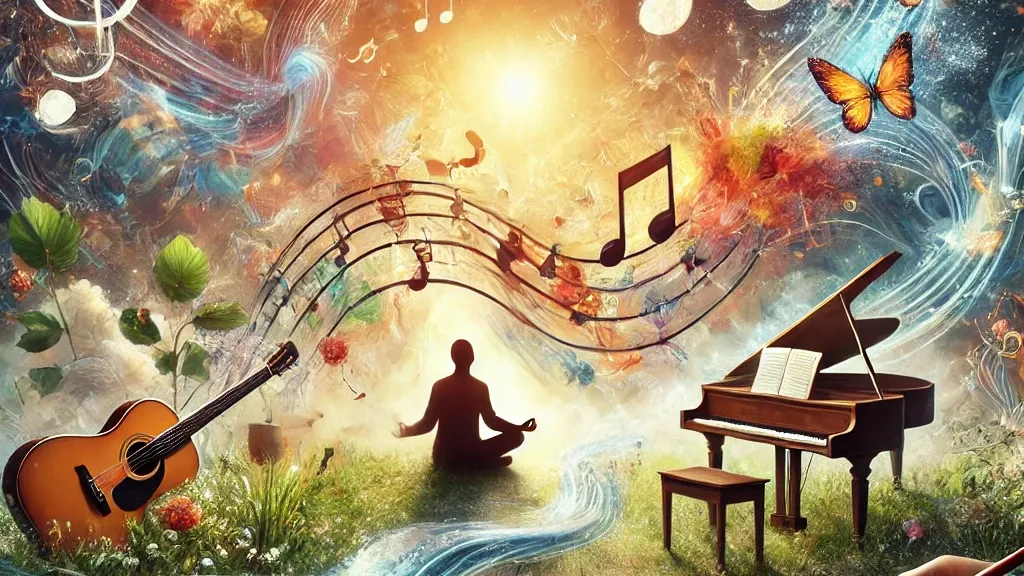
Art and music therapy represent profound recognition of human complexity—acknowledgment that healing requires more than symptom checklists and diagnostic criteria. These modalities honor the creative essence at the heart of human experience, validating expression, imagination, and beauty as essential components of psychological health.
Whether you’re navigating specific mental health challenges or simply seeking to enhance emotional wellness, creative practices offer accessible, empowering tools for self-discovery and growth. The canvas awaits your unique colors, the silence invites your singular melody. In harmonizing the healing powers of art and music, we discover not just relief from suffering, but pathways to flourishing, connection, and authentic self-expression that enrich every dimension of our lives.
The integration of creative therapies into mainstream mental health care reflects a paradigm shift toward holistic, person-centered treatment that recognizes healing as an creative, nonlinear process. As we continue discovering the profound connections between artistic expression and emotional wellness, we reclaim ancient wisdom while forging innovative approaches to the timeless human quest for wholeness, meaning, and joy.