
Ayurveda, the ancient Indian system of medicine, offers a revolutionary perspective on health by recognizing that each person possesses a unique body constitution requiring individualized care.

For over 5,000 years, Ayurvedic practitioners have understood what modern medicine is only beginning to embrace: there is no one-size-fits-all approach to wellness. Your body’s unique blueprint, known as your dosha, determines everything from your digestion and metabolism to your emotional tendencies and susceptibility to certain health conditions.
Understanding your body constitution isn’t just about satisfying curiosity—it’s about unlocking a personalized roadmap to optimal health. When you discover your predominant dosha, you gain valuable insights into the foods that nourish you, the exercises that energize you, and the lifestyle practices that bring you into balance. This ancient wisdom provides practical tools for preventing disease and cultivating vibrant well-being tailored specifically to your individual nature.
🌿 The Foundation: Understanding the Three Doshas
At the heart of Ayurvedic body typing lies the concept of doshas—three fundamental energies that govern all physiological and psychological processes. These biological forces, known as Vata, Pitta, and Kapha, are present in everyone but in varying proportions. Your unique combination determines your prakriti, or constitutional type.
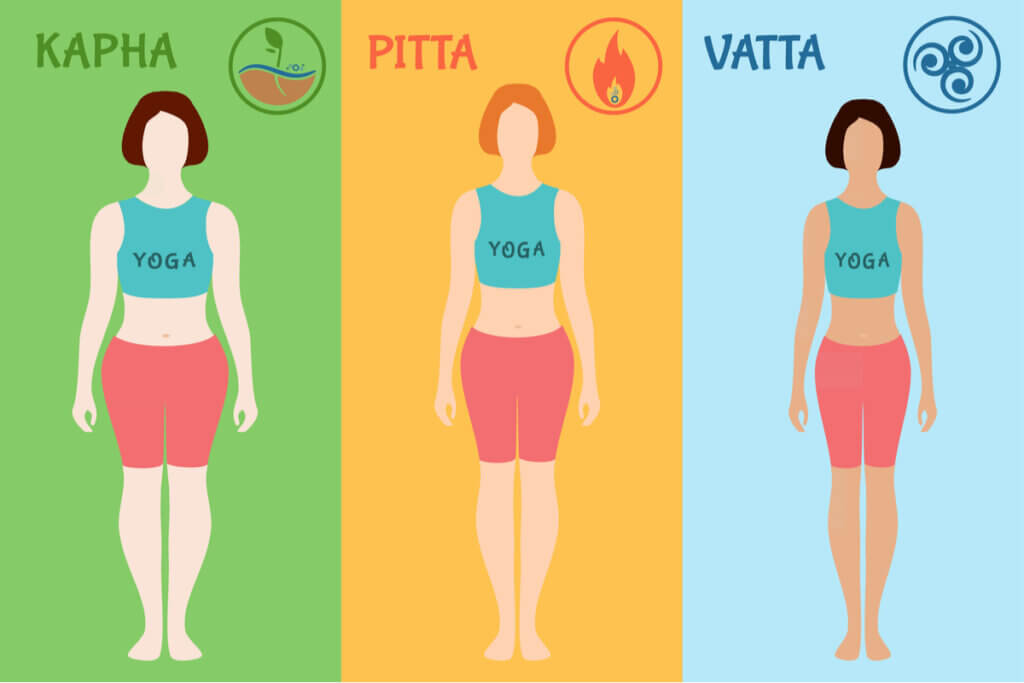
Vata dosha embodies the elements of air and space, governing all movement in the body. People with predominant Vata tend to be creative, energetic, and quick-thinking. Physically, they often have lighter frames, dry skin, and variable digestion. When balanced, Vata individuals radiate enthusiasm and adaptability. However, excess Vata manifests as anxiety, restlessness, insomnia, and digestive irregularities.
Pitta dosha combines fire and water elements, controlling metabolism, digestion, and transformation. Those with strong Pitta constitution typically possess medium builds, warm body temperatures, and sharp intellects. They’re natural leaders with strong digestive fire and ambitious personalities. Balanced Pitta creates clarity, confidence, and excellent digestion, while imbalanced Pitta leads to inflammation, irritability, skin rashes, and digestive acidity.
Kapha dosha represents earth and water, providing structure, stability, and lubrication. Kapha-dominant individuals generally have sturdy builds, smooth skin, and calm, steady temperaments. They’re naturally nurturing, patient, and resilient. When Kapha is balanced, it manifests as strength, endurance, and emotional stability. Excess Kapha, however, results in weight gain, lethargy, congestion, and emotional attachment.
🔍 Discovering Your Personal Constitution
Determining your dosha involves examining multiple aspects of your physical, mental, and emotional characteristics. Unlike conventional medical assessments that focus solely on symptoms, Ayurvedic constitution analysis considers your natural tendencies since birth, not just your current state.
Your physical attributes provide important clues. Vata types typically have thin, light frames with prominent joints and veins. Their skin tends toward dryness, and they may have difficulty gaining weight. Pitta individuals usually possess medium, athletic builds with warm, sensitive skin that reddens easily. Kapha constitutions generally feature larger, well-developed frames with naturally lustrous, cool, and thick skin.
Digestive patterns reveal significant constitutional information. Vata digestion is variable and irregular—sometimes strong, sometimes weak—often accompanied by gas and bloating. Pitta individuals typically have strong, efficient digestion with regular bowel movements but may experience heartburn or loose stools when imbalanced. Kapha types have slow, steady digestion and can skip meals without discomfort, though they may feel heavy after eating.
Mental and emotional tendencies are equally revealing. Vata minds are quick, creative, and enthusiastic but prone to worry and scattered thinking. Pitta personalities are sharp, focused, and determined, with tendencies toward perfectionism and irritability under stress. Kapha temperaments are calm, patient, and steady, though they may resist change and experience emotional inertia when unbalanced.
The Assessment Process
Traditional Ayurvedic practitioners use multiple diagnostic methods to determine constitution. These include detailed questionnaires about your lifelong tendencies, physical examination, pulse diagnosis (nadi pariksha), tongue examination, and observation of skin, hair, and eyes. The most accurate assessments consider both your birth constitution (prakriti) and your current imbalance (vikriti).
Many people discover they’re dual-doshic, meaning two doshas are equally prominent in their constitution. Common combinations include Vata-Pitta, Pitta-Kapha, and Vata-Kapha. Rare individuals are tri-doshic, with all three doshas in relatively equal proportion. Understanding whether you’re single-doshic, dual-doshic, or tri-doshic helps refine your personalized health approach.
💊 Personalized Nutrition Based on Your Dosha
Perhaps the most practical application of knowing your constitution is customizing your diet. Ayurveda teaches that food is medicine, and the right foods for your dosha can prevent disease while promoting vitality. Conversely, consistently eating foods that aggravate your dominant dosha creates imbalance and eventually disease.
Vata individuals thrive on warm, moist, grounding foods that counterbalance their cold, dry, mobile nature. Cooked vegetables, whole grains, healthy fats, warming spices, and regular meal times stabilize Vata. They should minimize raw foods, cold beverages, dried fruits, and excessive caffeine. Sweet, sour, and salty tastes naturally pacify Vata, while bitter, pungent, and astringent tastes tend to increase it.
Pitta types benefit from cooling, slightly dry foods that balance their internal heat. Fresh fruits, leafy greens, whole grains, legumes, and dairy products suit Pitta constitution well. They should reduce hot spices, fermented foods, alcohol, red meat, and sour or salty foods. Sweet, bitter, and astringent tastes calm Pitta, while pungent, sour, and salty tastes aggravate it.
Kapha individuals need light, warm, dry foods to counteract their heavy, cool, moist nature. Vegetables, legumes, light grains like quinoa and barley, warming spices, and minimal dairy support Kapha balance. They should limit heavy foods, excessive sweets, fried items, and cold beverages. Pungent, bitter, and astringent tastes reduce Kapha, while sweet, sour, and salty tastes increase it.
🍽️ Sample Daily Food Choices by Dosha
- Vata Balance: Warm oatmeal with ghee and cinnamon, roasted root vegetables, kitchari with warming spices, herbal teas, cooked fruits, and nourishing soups
- Pitta Balance: Coconut smoothies, cucumber salad, basmati rice with vegetables, mint tea, sweet fruits like melons and grapes, and cooling herbs like cilantro
- Kapha Balance: Light millet porridge, steamed vegetables with ginger, lentil soup, green tea, apples and pears, and stimulating spices like black pepper and turmeric
🧘 Lifestyle Practices Tailored to Your Constitution
Beyond nutrition, your dosha determines which daily routines, exercise types, and self-care practices will optimize your health. Ayurveda’s concept of dinacharya (daily routine) provides specific recommendations based on constitutional needs.
Vata types require regularity and grounding practices. They benefit from consistent sleep-wake times, warm oil massage (abhyanga), gentle yoga, walking in nature, meditation, and creative expression. Their routine should emphasize stability, warmth, and nourishment. Excessive travel, irregular schedules, and overstimulation quickly destabilize Vata.
Pitta individuals thrive with moderate, cooling practices that channel their natural intensity productively. Swimming, moonlight walks, moderate exercise, relaxation techniques, and activities that foster patience serve Pitta well. They should avoid overwork, excessive heat, competitive environments, and skipping meals, which all aggravate their fiery nature.
Kapha constitutions need stimulation and invigoration. They benefit from vigorous exercise, early rising, dry brushing, minimal daytime sleep, new experiences, and active engagement. Their routine should emphasize movement, stimulation, and variety. Excessive rest, routine monotony, and sedentary habits increase Kapha imbalance.
Exercise Recommendations
Vata types excel with gentle, grounding exercises like yoga, tai chi, swimming, and walking. They should exercise moderately and avoid exhaustion. Pitta individuals enjoy moderate-intensity activities like cycling, hiking, and team sports, preferably in cool environments. Kapha constitutions thrive with vigorous, challenging workouts like running, aerobics, weight training, and competitive sports that push their natural endurance.
🌡️ Seasonal Adjustments for Constitutional Balance
Ayurveda recognizes that seasons influence doshas differently. Each season has qualities that naturally increase certain doshas, requiring adjustments to maintain balance throughout the year.
Fall and early winter, characterized by cold, dry, windy qualities, naturally aggravate Vata. During these months, everyone—especially Vata types—should emphasize warming, moisturizing foods and routines. Late spring and summer, with their heat and intensity, increase Pitta. Cooling practices become essential during these seasons, particularly for Pitta individuals. Late winter and early spring, marked by cold, heavy, damp weather, aggravate Kapha, calling for lighter, more stimulating practices.
Understanding these seasonal influences allows you to adjust your diet, exercise, and self-care proactively, preventing imbalances before they manifest as illness. This preventive approach represents one of Ayurveda’s most valuable contributions to personalized health.
🩺 Recognizing and Addressing Constitutional Imbalances
Even with optimal lifestyle choices, imbalances occasionally occur. Recognizing early warning signs specific to your constitution enables prompt correction before minor issues become serious health problems.
Vata imbalance manifests as anxiety, insomnia, constipation, dry skin, joint pain, irregular digestion, restlessness, and scattered thinking. Treatment involves increasing warmth, moisture, regularity, and grounding practices. Warm oil massage, consistent routines, nourishing foods, and calming herbs like ashwagandha help restore Vata balance.
Pitta imbalance appears as inflammation, skin rashes, heartburn, loose stools, irritability, perfectionism, and excessive heat. Cooling interventions are essential: coconut oil application, cooling foods, moderate exercise in cool environments, and calming herbs like brahmi and shatavari effectively pacify Pitta.
Kapha imbalance presents as weight gain, congestion, lethargy, depression, attachment, and sluggish digestion. Stimulating treatments work best: vigorous exercise, light dry foods, stimulating spices like ginger and black pepper, minimal sleep, and detoxifying practices help reduce excess Kapha.
🌟 Integrating Ayurvedic Wisdom Into Modern Life
While Ayurveda originated thousands of years ago, its personalized approach remains remarkably relevant for contemporary health challenges. Modern research increasingly validates Ayurvedic concepts, recognizing genetic variations, metabolic differences, and individualized responses to foods and treatments.
You don’t need to adopt every Ayurvedic practice immediately. Start by identifying your predominant dosha through self-assessment or consultation with an Ayurvedic practitioner. Then gradually implement dietary and lifestyle adjustments aligned with your constitution. Small, consistent changes tailored to your unique nature produce more sustainable results than dramatic, generic interventions.
Technology now supports Ayurvedic practice through apps that help identify your dosha, track symptoms, and provide personalized recommendations. These tools make ancient wisdom more accessible, though they complement rather than replace guidance from experienced practitioners.
Practical Implementation Steps
- Week 1-2: Complete a comprehensive dosha assessment and observe your natural tendencies
- Week 3-4: Adjust one meal daily to align with your constitutional needs
- Week 5-6: Implement one lifestyle practice suited to your dosha
- Week 7-8: Refine your routine based on how you feel and any changes you notice
- Ongoing: Continue learning about your constitution and making seasonal adjustments
🎯 The Transformative Power of Self-Knowledge
Discovering your unique body constitution represents more than acquiring interesting information—it’s a transformative journey toward self-understanding and empowered health management. When you recognize your inherent strengths and vulnerabilities, you can make choices that support rather than undermine your natural design.
This personalized approach respects bio-individuality, acknowledging that health recommendations effective for one person may be inappropriate for another. Rather than following generic advice, you learn to interpret your body’s signals and respond appropriately. This wisdom fosters a collaborative relationship with your body rather than an adversarial one.
Ayurveda’s constitutional framework also cultivates self-acceptance. Understanding that your tendencies toward anxiety, intensity, or complacency reflect your inherent nature—not personal failings—reduces self-judgment while providing practical tools for balance. You learn to work with your constitution rather than against it.
🔄 Your Journey Toward Constitutional Harmony
Understanding your Ayurvedic body constitution opens a pathway to health that honors your uniqueness while connecting you to timeless wisdom. This personalized approach acknowledges that optimal health looks different for everyone and requires individualized strategies.
As you explore your dosha and implement corresponding practices, remember that balance is dynamic, not static. Your needs shift with seasons, life stages, stress levels, and circumstances. The goal isn’t rigid adherence to rules but developing intuitive awareness of what creates balance in your unique system.
Whether you’re predominantly Vata, Pitta, Kapha, or a combination, Ayurveda provides a comprehensive framework for understanding your body, preventing disease, and cultivating vibrant wellness. By embracing this personalized approach, you become an active participant in your health journey, equipped with knowledge that serves you throughout life.
Start where you are, implement changes gradually, and observe how your body responds. The ancient science of Ayurveda, combined with your growing self-awareness, creates a powerful foundation for lifelong health tailored specifically to your unique constitutional blueprint. Your journey toward balance and vitality begins with understanding—and honoring—the remarkable individual you are.