In today’s fast-evolving healthcare landscape, the integration of traditional and modern medicine offers unprecedented opportunities for achieving holistic wellness and comprehensive patient care.

🌿 Understanding the Two Worlds of Healing
Traditional medicine represents centuries of accumulated wisdom, passed down through generations and rooted in cultural practices across civilizations. From Traditional Chinese Medicine (TCM) with its emphasis on qi and balance, to Ayurveda’s holistic approach to body constitution, these ancient systems have sustained communities for millennia. Meanwhile, modern medicine—also called allopathic or conventional medicine—relies on scientific research, clinical trials, and technological advancement to diagnose and treat disease.
The beauty lies not in choosing one over the other, but in recognizing how these systems can complement each other. Traditional medicine often focuses on prevention, balance, and treating the whole person, while modern medicine excels at acute care, surgical interventions, and evidence-based treatments. When harmonized thoughtfully, they create a comprehensive approach that addresses both immediate health concerns and long-term wellness.
The Historical Divide and Modern Reconciliation
For much of the 20th century, Western medical establishments largely dismissed traditional healing practices as unscientific or primitive. This divide created an unnecessary polarization that limited patient options and dismissed valuable therapeutic approaches. However, recent decades have witnessed a remarkable shift in perspective as researchers began investigating traditional remedies with modern scientific methodology.
Organizations like the World Health Organization (WHO) now actively promote the integration of traditional and complementary medicine into national health systems. More than 170 WHO member states have reported using traditional medicine, and this number continues to grow as evidence accumulates supporting various traditional practices.
Breaking Down Barriers Through Research
Scientific validation of traditional practices has built bridges between these once-separate worlds. Turmeric’s anti-inflammatory properties, long utilized in Ayurvedic medicine, have been confirmed through extensive research on curcumin. Acupuncture, once viewed skeptically in the West, now has documented efficacy for pain management, supported by neuroimaging studies showing its effects on the nervous system.
💡 Key Principles of Integrated Medicine
Integrative medicine represents a patient-centered approach that combines conventional medical treatments with evidence-based complementary therapies. Several core principles guide this harmonized approach:
- Patient-Centered Care: Treatment plans honor individual preferences, cultural backgrounds, and personal values
- Evidence-Informed Practice: Both traditional wisdom and scientific research guide therapeutic decisions
- Preventive Focus: Emphasis on maintaining health and preventing disease, not just treating illness
- Whole-Person Approach: Addressing physical, emotional, mental, spiritual, and social dimensions of health
- Therapeutic Partnerships: Collaborative relationships between practitioners and patients
- Natural Healing Processes: Supporting the body’s innate capacity for self-repair and balance
Real-World Applications: Where Integration Thrives
Across healthcare settings worldwide, integration is already happening with remarkable results. Major academic medical centers now house integrative medicine departments, offering services ranging from acupuncture and massage therapy to nutritional counseling and mind-body practices alongside conventional treatments.
Cancer Care: A Leading Integration Example
Oncology has emerged as a pioneer in integrative approaches. While chemotherapy, radiation, and surgery remain primary treatments, many cancer centers now offer complementary therapies to manage side effects and improve quality of life. Acupuncture helps reduce chemotherapy-induced nausea, meditation programs decrease anxiety and pain, and yoga improves physical function and emotional well-being during treatment.
Research from institutions like Memorial Sloan Kettering Cancer Center demonstrates that integrative oncology doesn’t interfere with conventional treatments but enhances patient outcomes and satisfaction. This model shows how traditional practices can support modern medical interventions without compromising efficacy.
Chronic Pain Management Beyond Pharmaceuticals
The opioid crisis has accelerated interest in alternative pain management strategies. Integrative pain clinics combine conventional approaches like physical therapy and medications with acupuncture, chiropractic care, massage, tai chi, and mindfulness-based stress reduction. This multimodal approach often achieves better pain control with fewer medications and reduced side effects.
Studies published in medical journals like JAMA have shown that integrated approaches to chronic pain can reduce opioid use while improving functional outcomes—a win for both patient safety and effectiveness.
🔬 The Science Behind Traditional Practices
Modern research continues uncovering mechanisms that explain how traditional therapies work. This scientific validation doesn’t diminish traditional knowledge but rather confirms and extends it through contemporary understanding.
Herbal Medicine Meets Pharmacology
Many pharmaceutical drugs originate from plants used in traditional medicine. Aspirin derives from willow bark, used for centuries to treat pain and fever. Digitalis, crucial for heart conditions, comes from foxglove. Today’s research explores compounds in traditional herbs like ginseng, ashwagandha, and ginkgo biloba, identifying active constituents and understanding their pharmacological actions.
However, this scientific approach also reveals important safety information. Some traditional remedies interact with modern medications or contain adulterants, emphasizing the importance of professional guidance when combining approaches.
Mind-Body Medicine and Neuroscience
Traditional practices like meditation, yoga, and tai chi, long valued for mental and physical benefits, now have neurobiological explanations. Brain imaging reveals how meditation alters brain structure and function, affecting regions involved in attention, emotion regulation, and self-awareness. Research on the relaxation response demonstrates measurable changes in gene expression, inflammatory markers, and stress hormones.
Building Your Personal Integrated Wellness Plan
Creating an effective integrated approach requires thoughtful consideration and professional guidance. Here’s how to develop a personalized strategy that honors both traditional wisdom and modern science:
Start With Open Communication
Transparency with all healthcare providers is essential. Inform your conventional doctors about any traditional therapies you’re using or considering, and share your medical diagnoses and treatments with traditional practitioners. This prevents potentially dangerous interactions and ensures coordinated care.
Assess Evidence and Credibility
Not all traditional practices have equal evidence support, and not all practitioners have equal qualifications. Research the evidence base for therapies you’re considering. Look for practitioners with proper credentials, training, and licensure. Professional organizations like the Academic Consortium for Integrative Medicine & Health can help identify qualified providers.
Consider Your Specific Health Needs
Different conditions benefit from different integrative approaches. Acute emergencies require immediate conventional medical care. Chronic conditions often respond well to integrated strategies. Wellness maintenance and prevention are areas where traditional approaches particularly shine.
⚖️ Navigating Challenges in Integration
Despite growing acceptance, integrating traditional and modern medicine faces several obstacles that patients and practitioners must navigate carefully.
Insurance Coverage Limitations
Many insurance plans don’t cover complementary therapies, creating financial barriers to integration. However, this landscape is changing. Some insurers now cover acupuncture for chronic pain, and Medicare recently expanded coverage for certain complementary treatments. Health savings accounts (HSAs) and flexible spending accounts (FSAs) typically allow use for many complementary therapies.
Quality Control and Standardization
Traditional medicine practices and herbal products vary widely in quality and standardization. Unlike pharmaceuticals with strict manufacturing standards, herbal supplements face less regulation. Choosing reputable brands with third-party testing and certification helps ensure safety and consistency.
Cultural Sensitivity and Appropriation
As traditional practices become mainstream, questions arise about cultural appropriation versus appreciation. Respectful integration involves acknowledging the cultural origins of practices, supporting traditional knowledge holders, and avoiding commodification that strips practices from their cultural context.
🏥 Healthcare Systems Embracing Integration
Progressive healthcare organizations worldwide are restructuring to accommodate integrated approaches, recognizing both patient demand and clinical benefits.
Integrative Medicine Departments
Major medical centers have established dedicated integrative medicine departments staffed by physicians trained in both conventional and complementary approaches. These departments offer consultations, treatment services, and educational programs that bridge traditional and modern perspectives.
Collaborative Care Teams
The most effective integration occurs through multidisciplinary teams where conventional doctors, traditional practitioners, nurses, nutritionists, mental health professionals, and other specialists collaborate on patient care. Regular team meetings ensure coordinated treatment plans that leverage each discipline’s strengths.
Medical Education Evolution
Medical schools increasingly incorporate integrative medicine into curricula, exposing future physicians to evidence-based complementary therapies. This educational shift creates practitioners who understand both systems and can guide patients toward safe, effective integration.
The Future of Harmonized Healing
As healthcare continues evolving, the integration of traditional and modern medicine will likely deepen and expand. Several trends point toward this integrated future:
Personalized Medicine Meets Individual Constitution
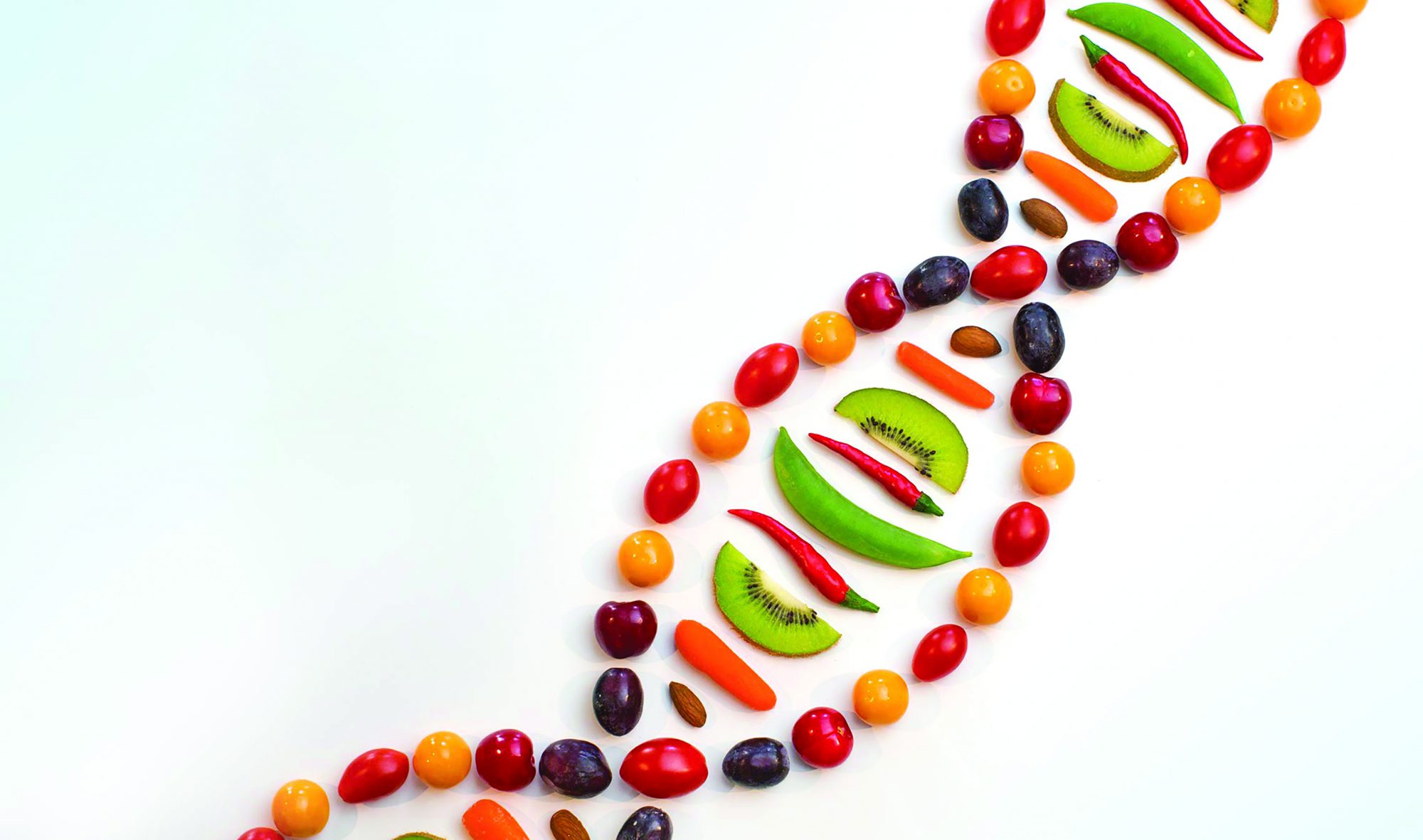
Modern personalized medicine—using genetic information to tailor treatments—shares conceptual overlap with traditional systems that classify individuals by constitution type. Future integration might combine genomic data with constitutional assessments for truly individualized care.
Technology Supporting Traditional Practices
Digital health tools are making traditional medicine more accessible and trackable. Apps guide meditation and yoga practice, wearable devices monitor physiological responses to different therapies, and telemedicine connects patients with traditional practitioners regardless of geographic location.
Global Knowledge Exchange
International research collaborations are systematically investigating traditional medicines from various cultures. This global perspective enriches the therapeutic toolkit available to practitioners and patients worldwide, creating a truly universal approach to healing.
🌟 Empowering Patients as Active Participants
Perhaps the most significant benefit of integrated medicine is the shift toward patient empowerment. Rather than passive recipients of treatment, patients become active participants in their health journey, making informed decisions that align with their values and goals.
Education and Health Literacy
Understanding both conventional and traditional approaches requires health literacy that goes beyond basic medical knowledge. Patients benefit from learning how different systems conceptualize health and disease, enabling meaningful conversations with diverse practitioners and informed decision-making.
Self-Care and Prevention
Many traditional practices emphasize self-care techniques that individuals can practice independently—dietary approaches, movement practices, stress management, and lifestyle modifications. These complement professional medical care while giving patients tools for daily wellness maintenance.
Practical Steps Toward Integration Today
You don’t need to wait for healthcare systems to fully integrate these approaches—you can begin harmonizing healing modalities in your own life right now:
- Start small: Introduce one complementary practice that interests you, whether meditation, herbal tea, or gentle yoga
- Document your journey: Keep notes on how different approaches affect your wellbeing
- Build your team: Seek practitioners who respect both traditional and modern approaches
- Educate yourself: Read reputable sources about both conventional and complementary therapies
- Listen to your body: Pay attention to how different treatments make you feel
- Maintain conventional care: Never abandon proven treatments without medical consultation
- Share experiences: Communicate openly with all your healthcare providers

Creating Lasting Wellness Through Integration
The true power of harmonizing traditional and modern medicine lies not in choosing sides but in recognizing that optimal wellness draws from multiple wisdom traditions and scientific advances. This integrated approach respects the complexity of human health—acknowledging that we are biological beings treatable through pharmaceuticals and surgery, while also being energetic, emotional, and spiritual beings who respond to holistic interventions.
When a person receives chemotherapy alongside acupuncture for nausea, takes blood pressure medication while practicing stress-reducing meditation, or combines physical therapy with tai chi for balance improvement, they’re not abandoning science or clinging to outdated traditions. Instead, they’re accessing the full spectrum of healing resources humanity has developed through both ancient observation and modern investigation.
The healthcare landscape continues shifting toward this integrated model because it works—producing better outcomes, higher patient satisfaction, and more sustainable approaches to lifelong wellness. As research expands, education improves, and healthcare systems adapt, the artificial boundaries between traditional and modern medicine will continue dissolving.
Each person’s path to wellness is unique, shaped by individual circumstances, cultural background, health conditions, and personal values. The integration of traditional and modern medicine honors this individuality by offering diverse therapeutic options that can be customized to each person’s needs. This flexibility creates healthcare that is not only more effective but more humane—recognizing that healing involves the whole person, not just isolated symptoms or diseases.
As you consider your own health journey, remember that you have more options than ever before. By thoughtfully combining the best of traditional wisdom with modern medical science, you can create a personalized approach to wellness that supports not just disease treatment but vital, thriving health throughout your life. The future of medicine isn’t traditional or modern—it’s integrated, harmonized, and ultimately more powerful than either approach alone.