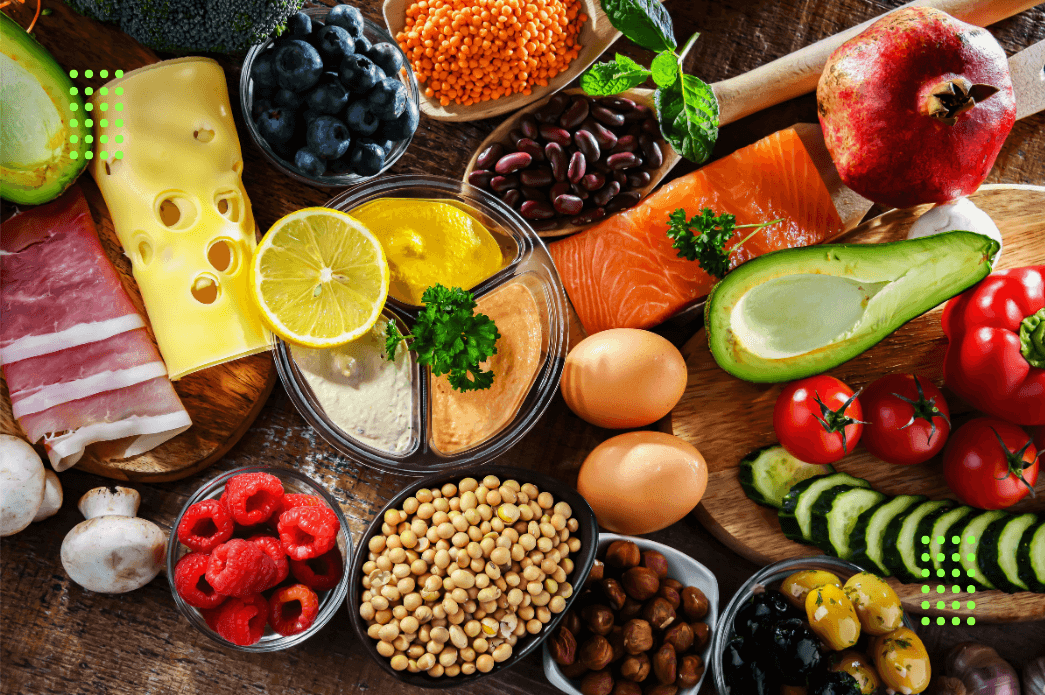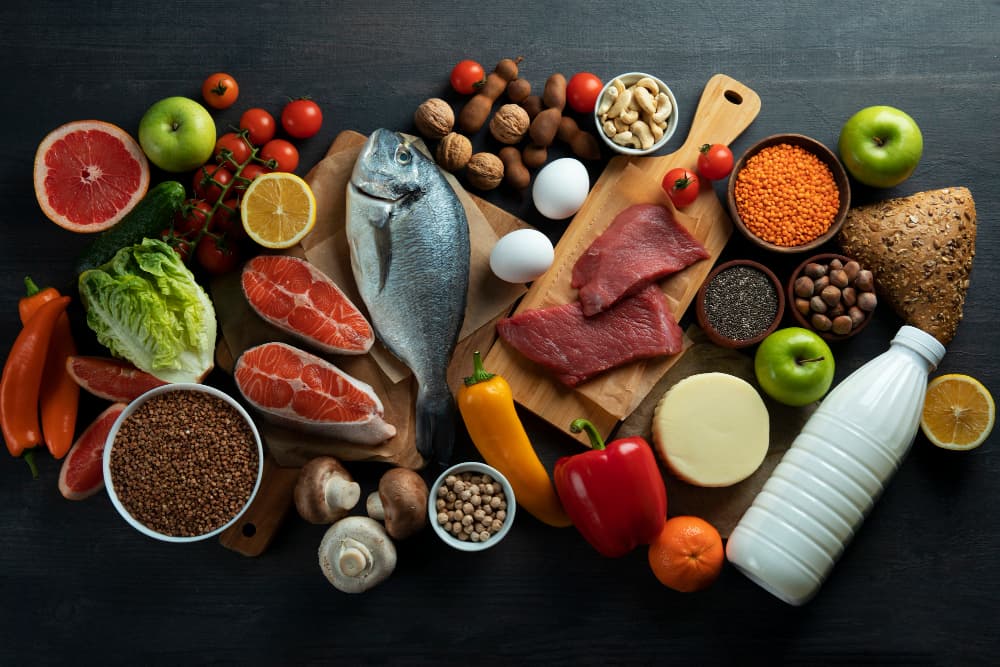
Plant-based eating offers a powerful pathway to metabolic renewal, helping your body function optimally while increasing natural energy levels and promoting lasting wellness.

🌱 Understanding Your Metabolism Through a Plant-Based Lens
Your metabolism is far more than just a calorie-burning mechanism. It represents the complex network of biochemical processes that convert food into usable energy, repair cellular damage, and maintain every function your body performs throughout the day. When this system operates smoothly, you experience sustained energy, mental clarity, and physical vitality. However, modern dietary patterns often disrupt these delicate processes.
Plant-based eating fundamentally transforms how your body processes nutrients. Unlike heavily processed foods or animal-based diets high in saturated fats, whole plant foods provide clean-burning fuel that your cells can efficiently convert into energy. This dietary approach reduces the metabolic burden associated with digesting dense proteins and fats, allowing your body to redirect resources toward healing and optimization.
Research consistently demonstrates that individuals following plant-based diets tend to have higher resting metabolic rates compared to their omnivorous counterparts. This metabolic advantage stems from several factors: improved insulin sensitivity, enhanced mitochondrial function, reduced inflammation, and better gut microbiome diversity. These elements work synergistically to create a metabolic environment conducive to health and sustained energy.
The Metabolic Magic of Whole Plant Foods
Whole plant foods contain intricate combinations of nutrients that work together to support metabolic health. Fiber, phytonutrients, vitamins, minerals, and antioxidants create a nutritional symphony that processed foods simply cannot replicate. When you consume an apple, you’re not just getting carbohydrates and fiber—you’re receiving hundreds of bioactive compounds that influence gene expression, hormone balance, and cellular communication.
The thermic effect of food—the energy required to digest, absorb, and process nutrients—is notably higher for plant-based meals. Your body expends approximately 10-15% more energy processing whole plant foods compared to refined options. This means you’re burning additional calories simply through the act of eating nutrient-dense plants, creating a metabolic advantage that compounds over time.
🔥 Igniting Your Metabolic Fire with Strategic Food Choices
Not all plant foods impact metabolism equally. Understanding which foods provide the greatest metabolic benefits allows you to design meals that actively enhance your body’s energy-producing capabilities. Strategic selection and combination of plant foods can create powerful metabolic effects that extend far beyond basic nutrition.
Metabolism-Boosting Plant Powerhouses
Certain plant foods possess particularly potent metabolic properties. Legumes, including lentils, chickpeas, and black beans, provide resistant starch that feeds beneficial gut bacteria while stabilizing blood sugar levels. This dual action prevents the energy crashes associated with refined carbohydrates while supporting the gut microbiome that influences metabolic health.
Leafy greens like spinach, kale, and Swiss chard deliver concentrated nutrients with minimal calories, supporting thyroid function through their iodine and selenium content. The thyroid gland serves as your metabolic control center, and adequate mineral intake ensures optimal hormone production that regulates energy expenditure throughout your body.
Cruciferous vegetables—broccoli, cauliflower, Brussels sprouts, and cabbage—contain compounds called glucosinolates that support liver detoxification. Since your liver plays a central role in metabolic processing, supporting this organ through strategic food choices enhances your body’s ability to efficiently manage nutrients and eliminate metabolic waste products.
Spices and Herbs That Accelerate Metabolism
Beyond whole foods, certain spices and herbs provide concentrated metabolic benefits. Ginger increases thermogenesis and promotes digestive efficiency, helping your body extract maximum nutrition from meals. Turmeric’s active compound, curcumin, reduces inflammation that can slow metabolic processes while improving insulin sensitivity.
Cayenne pepper and other hot peppers contain capsaicin, which temporarily increases metabolic rate and promotes fat oxidation. Adding these spices to plant-based meals creates a synergistic effect, enhancing both flavor and metabolic impact. Cinnamon helps regulate blood sugar levels, preventing the insulin spikes that promote fat storage and energy fluctuations.
⚡ Timing Your Plant-Based Meals for Maximum Energy
When you eat matters almost as much as what you eat. Your metabolism follows circadian rhythms, with varying efficiency throughout the day. Aligning your plant-based eating patterns with these natural rhythms optimizes energy production and metabolic function.
Morning represents your metabolic peak, when insulin sensitivity is highest and your body most efficiently processes carbohydrates. Beginning your day with a substantial plant-based breakfast—such as oatmeal topped with berries, nuts, and seeds—provides sustained energy while kickstarting metabolic processes. This approach prevents the mid-morning energy crash that sends many people reaching for caffeine or sugary snacks.
Lunch should constitute your largest meal, taken during the midday window when digestive fire burns strongest. A robust bowl combining whole grains, legumes, abundant vegetables, and healthy fats from avocado or tahini provides comprehensive nutrition that sustains energy through afternoon hours without causing the sluggishness associated with heavy meals.
Evening Eating Strategies for Metabolic Health
As evening approaches, metabolic efficiency naturally declines. Lighter dinners consumed at least three hours before bedtime allow your body to complete digestion before sleep, preventing metabolic disruption during crucial overnight repair processes. Focus on easily digestible foods like steamed vegetables, simple grains, and lighter proteins from tofu or tempeh.
Consider implementing a gentle eating window that compresses your daily food intake into 10-12 hours. This approach, sometimes called time-restricted eating, allows your metabolism extended periods of rest, during which cellular repair and metabolic optimization occur. You’re not reducing food quantity—merely concentrating intake into a window that supports natural metabolic rhythms.
💪 Building Metabolic Resilience Through Nutrient Density
Metabolic health depends on adequate micronutrient intake. Deficiencies in key vitamins and minerals can significantly slow metabolic processes, reduce energy production, and impair cellular function. Plant-based eating provides exceptional nutrient density when properly planned, delivering these essential cofactors in abundance.
Critical Nutrients for Metabolic Function
B vitamins play indispensable roles in energy metabolism, serving as cofactors in the biochemical pathways that extract energy from food. Whole grains, legumes, nutritional yeast, and fortified plant milks provide comprehensive B vitamin coverage. Vitamin B12, which requires special attention in plant-based diets, should be supplemented or obtained through fortified foods to ensure optimal metabolic function.
Iron supports oxygen transport throughout your body, directly impacting energy levels and metabolic efficiency. Plant-based iron sources like lentils, spinach, quinoa, and pumpkin seeds become more bioavailable when consumed with vitamin C-rich foods. Pairing iron-rich plants with tomatoes, bell peppers, or citrus fruits significantly enhances absorption.
Magnesium participates in over 300 enzymatic reactions, many related to energy production and glucose metabolism. Dark leafy greens, nuts, seeds, and whole grains provide abundant magnesium. Adequate intake supports better sleep quality, which itself profoundly influences metabolic health and hormone balance.
Omega-3 Fatty Acids for Metabolic Optimization
Anti-inflammatory omega-3 fatty acids support metabolic health by reducing chronic inflammation that impairs insulin sensitivity and slows metabolic rate. While fish often receives attention for omega-3 content, plant sources like ground flaxseeds, chia seeds, hemp seeds, and walnuts provide alpha-linolenic acid (ALA), which your body partially converts to the active forms EPA and DHA.
For optimal conversion and metabolic support, consume these omega-3-rich foods daily while minimizing omega-6-heavy oils that compete for the same conversion enzymes. Consider an algae-based EPA/DHA supplement if you want direct sources of these long-chain fatty acids without animal products.
🥗 Practical Plant-Based Meal Strategies for Sustained Energy
Theory becomes powerful only through consistent application. Creating practical meal strategies ensures your plant-based approach delivers tangible metabolic benefits rather than remaining an abstract concept. These strategies should feel sustainable and enjoyable rather than restrictive or complicated.
The Rainbow Plate Principle
Each plant pigment represents different phytonutrients with unique metabolic benefits. Creating meals that incorporate multiple colors ensures diverse nutrient intake that supports comprehensive metabolic function. A typical plate might include:
- Red foods (tomatoes, red peppers, beets) containing lycopene and betalains that support cardiovascular health
- Orange and yellow foods (carrots, sweet potatoes, golden beets) providing beta-carotene for immune and metabolic support
- Green foods (leafy greens, broccoli, green beans) offering chlorophyll, folate, and minerals essential for energy production
- Blue and purple foods (blueberries, purple cabbage, eggplant) delivering anthocyanins that reduce inflammation and support brain health
- White and tan foods (cauliflower, mushrooms, onions) containing allicin and other compounds supporting immune and metabolic function
This visual approach removes the need for complex calorie counting while naturally ensuring comprehensive nutrition that supports metabolic optimization. Your plate becomes a functional tool for metabolic health rather than a source of stress or confusion.
Meal Prepping for Metabolic Success
Consistent plant-based eating requires planning, especially during busy periods when convenience foods tempt you away from metabolic health. Dedicating a few hours weekly to meal preparation creates a foundation for success that extends throughout the week.
Batch cook staples like brown rice, quinoa, lentils, and chickpeas. These form the foundation of countless meals and reheat beautifully. Chop vegetables in advance, storing them in glass containers for easy access. Prepare simple dressings and sauces from tahini, nuts, or seeds that add flavor and healthy fats to quickly assembled meals.
Keep your freezer stocked with frozen fruits for smoothies, frozen vegetables for quick stir-fries, and batch-cooked soups or stews that provide nutritious meals when time or energy runs short. This preparation removes decision fatigue and ensures metabolic health remains a priority regardless of external circumstances.
🏃♀️ Synergizing Plant-Based Eating with Movement
Diet and exercise work synergistically to optimize metabolic function. Plant-based eating provides the nutritional foundation, while strategic movement stimulates metabolic adaptations that enhance energy production, improve body composition, and increase metabolic flexibility.
Resistance training builds lean muscle mass, which increases resting metabolic rate since muscle tissue requires more energy to maintain than fat tissue. Plant-based diets provide adequate protein for muscle development and repair when they include diverse sources like legumes, tofu, tempeh, seitan, nuts, seeds, and whole grains. Contrary to outdated beliefs, plant proteins support athletic performance and muscle growth effectively when consumed in sufficient quantities.
Movement Patterns That Enhance Metabolic Health
Beyond formal exercise, increasing general movement throughout your day provides cumulative metabolic benefits. Walking after meals improves glucose metabolism and prevents blood sugar spikes. Standing periodically during work hours activates muscles and stimulates circulation. Taking stairs, parking farther away, and incorporating movement into daily routines creates metabolic momentum without requiring additional time commitments.
High-intensity interval training (HIIT) creates powerful metabolic adaptations in minimal time. Brief bursts of intense effort followed by recovery periods improve mitochondrial function, enhance insulin sensitivity, and create an “afterburn effect” where metabolism remains elevated for hours post-exercise. Plant-based eating supports recovery from these intense sessions through anti-inflammatory compounds and readily available carbohydrates.
😴 Sleep and Stress: Hidden Metabolic Influencers
Even perfect plant-based nutrition cannot overcome the metabolic damage caused by chronic sleep deprivation or unmanaged stress. These lifestyle factors profoundly influence hormones that regulate metabolism, appetite, and energy balance.
Inadequate sleep disrupts leptin and ghrelin—hormones controlling hunger and satiety—leading to increased appetite and cravings for high-calorie foods. Sleep deprivation also impairs insulin sensitivity, elevates cortisol, and reduces growth hormone secretion, creating a metabolic environment conducive to weight gain and energy depletion.
Plant-based eating actually supports better sleep quality through several mechanisms. The high fiber content promotes stable blood sugar overnight, preventing sleep-disrupting glucose fluctuations. Certain plant foods contain sleep-promoting compounds like tryptophan in pumpkin seeds and magnesium in dark leafy greens. Avoiding heavy animal products at dinner reduces digestive burden that can interfere with sleep quality.
Managing Stress for Metabolic Optimization
Chronic stress elevates cortisol, a hormone that promotes fat storage (particularly abdominal fat), increases blood sugar, and impairs metabolic efficiency. While some stress is unavoidable, incorporating regular stress-management practices protects your metabolic health from these damaging effects.
Mindfulness practices, deep breathing exercises, time in nature, creative pursuits, and social connection all reduce stress hormones while promoting parasympathetic nervous system activation. This “rest and digest” state supports optimal digestion, nutrient absorption, and metabolic function—creating a positive feedback loop where stress management enhances the metabolic benefits of plant-based eating.
🌟 Tracking Your Metabolic Transformation
As you implement plant-based eating for metabolic health, tracking specific markers helps you recognize progress and adjust your approach as needed. Focus on functional improvements rather than scale-based metrics alone, as metabolic health encompasses far more than body weight.
Energy levels throughout the day provide immediate feedback about metabolic function. Notice whether you experience stable energy or roller-coaster fluctuations. Track your sleep quality, exercise performance, mental clarity, and digestive comfort. These subjective measures often improve before objective markers change, providing motivation to continue.
If you’re working with healthcare providers, periodic blood work can reveal metabolic improvements like better blood glucose control, improved cholesterol profiles, reduced inflammation markers, and optimized hormone levels. These objective measures complement subjective experience, creating a comprehensive picture of your metabolic transformation.
🎯 Customizing Your Plant-Based Metabolic Plan
While general principles apply broadly, individual metabolic needs vary based on age, activity level, health status, and genetic factors. Customizing your plant-based approach ensures it meets your unique requirements while supporting optimal metabolic function.
Athletes and highly active individuals require more calories and potentially higher protein intake than sedentary populations. Increasing portions of calorie-dense plant foods like nuts, seeds, avocados, and whole grains while emphasizing protein-rich legumes and soy foods meets these elevated needs without compromising metabolic health.
Individuals managing specific health conditions may benefit from targeted modifications. Those with diabetes should emphasize low-glycemic plant foods and careful meal timing. People with thyroid conditions need adequate iodine and selenium from sea vegetables and Brazil nuts. Working with knowledgeable healthcare practitioners helps optimize your plant-based approach for your specific circumstances.

🌈 Embracing the Journey Toward Metabolic Vitality
Transitioning to plant-based eating for metabolic health represents a journey rather than a destination. Progress unfolds gradually as your body adapts to cleaner fuel sources, your taste preferences evolve, and your metabolic machinery optimizes its function. Patience and consistency yield profound results that extend far beyond temporary changes.
Start where you are, making incremental changes that feel sustainable rather than attempting overnight transformation. Perhaps you begin by adding one additional serving of vegetables daily, or by replacing your typical breakfast with a plant-based option. Small, consistent steps compound into significant metabolic improvements over time.
Remember that perfection isn’t required or even desirable. Rigidity creates stress that undermines metabolic health. Instead, aim for consistent progress—making plant-based choices most of the time while allowing flexibility that supports long-term sustainability. This balanced approach creates lasting change rather than temporary restriction followed by rebound.
Your metabolism possesses remarkable capacity for renewal and optimization. By nourishing your body with diverse, whole plant foods, timing meals strategically, supporting your efforts with movement and stress management, and allowing adequate recovery through quality sleep, you create conditions where your metabolism can thrive. The energy, vitality, and balance you experience become both the reward and motivation for continued commitment to this powerful approach to health and wellbeing.