Your hormones are the invisible conductors of your body’s symphony, orchestrating everything from metabolism to mood, energy levels to reproductive health. 🎵

In our modern world, hormonal imbalances have become increasingly common, affecting millions of people who struggle with unexplained weight gain, fatigue, mood swings, sleep disturbances, and various other health challenges. While many factors contribute to hormonal disruption—including stress, environmental toxins, and lifestyle habits—nutrition stands out as one of the most powerful tools we have to restore and maintain hormonal harmony.
The intricate relationship between what we eat and how our hormones function cannot be overstated. Every meal we consume sends signals throughout our endocrine system, influencing the production, release, and metabolism of hormones that control virtually every physiological process in our bodies. Understanding this connection empowers us to make informed dietary choices that support optimal hormonal balance and, consequently, vibrant health.
The Foundation: Understanding Your Hormonal Orchestra
Before diving into nutritional strategies, it’s essential to understand the key players in your hormonal system. Your endocrine system includes multiple glands and organs that produce hormones, including the thyroid, adrenals, pancreas, ovaries or testes, and the pituitary gland. These hormones work in delicate balance, with each influencing the others in a complex web of feedback loops.
Insulin, produced by the pancreas, regulates blood sugar and fat storage. Cortisol, your primary stress hormone from the adrenal glands, influences metabolism, immune function, and blood pressure. Thyroid hormones control metabolic rate and energy production. Sex hormones like estrogen, progesterone, and testosterone affect reproductive health, bone density, muscle mass, and mood. Leptin and ghrelin regulate appetite and satiety signals.
When these hormones fall out of balance, the effects cascade throughout your entire system. A disruption in one hormone inevitably affects others, creating a domino effect that can manifest in numerous symptoms and health challenges. The good news? Nutrition provides a powerful intervention point to restore equilibrium.
Blood Sugar Balance: The Cornerstone of Hormonal Health 🎯
If there’s one nutritional principle that impacts hormonal health more than any other, it’s blood sugar regulation. Chronic blood sugar imbalances don’t just affect insulin—they disrupt virtually every hormone in your body, including cortisol, sex hormones, and thyroid function.
When you consume foods high in refined carbohydrates and sugars, your blood glucose spikes rapidly, triggering a surge of insulin to shuttle that sugar into cells. Over time, frequent insulin spikes can lead to insulin resistance, where cells become less responsive to insulin’s signals. This condition not only sets the stage for type 2 diabetes but also creates hormonal chaos throughout your system.
Practical Strategies for Blood Sugar Stability
Start every meal with protein and healthy fats before consuming carbohydrates. This simple strategy slows glucose absorption and prevents dramatic blood sugar spikes. Aim for 20-30 grams of protein at each meal to support satiety and stable energy levels throughout the day.
Choose complex carbohydrates with high fiber content over refined options. Vegetables, legumes, whole grains, and fruits with their fiber intact provide sustained energy without the roller coaster effect. Fiber slows digestion and helps regulate both glucose and insulin response.
Never skip meals, especially breakfast. Going too long without eating can trigger cortisol release as your body tries to raise blood sugar through stress hormones. This creates a vicious cycle of hormonal imbalance that affects everything from sleep to mood to weight management.
Protein Power: Building Blocks for Hormonal Production
Adequate protein intake is non-negotiable for hormonal health. Amino acids from protein serve as the literal building blocks for many hormones, neurotransmitters, and enzymes involved in hormonal metabolism. Insufficient protein intake can compromise hormone production and contribute to imbalances across the board.
Beyond providing raw materials for hormone synthesis, protein helps stabilize blood sugar, supports liver detoxification of excess hormones, maintains healthy thyroid function, and preserves lean muscle mass that’s crucial for metabolic health. For most people, aiming for 0.7-1 gram of protein per pound of ideal body weight provides optimal support for hormonal balance.
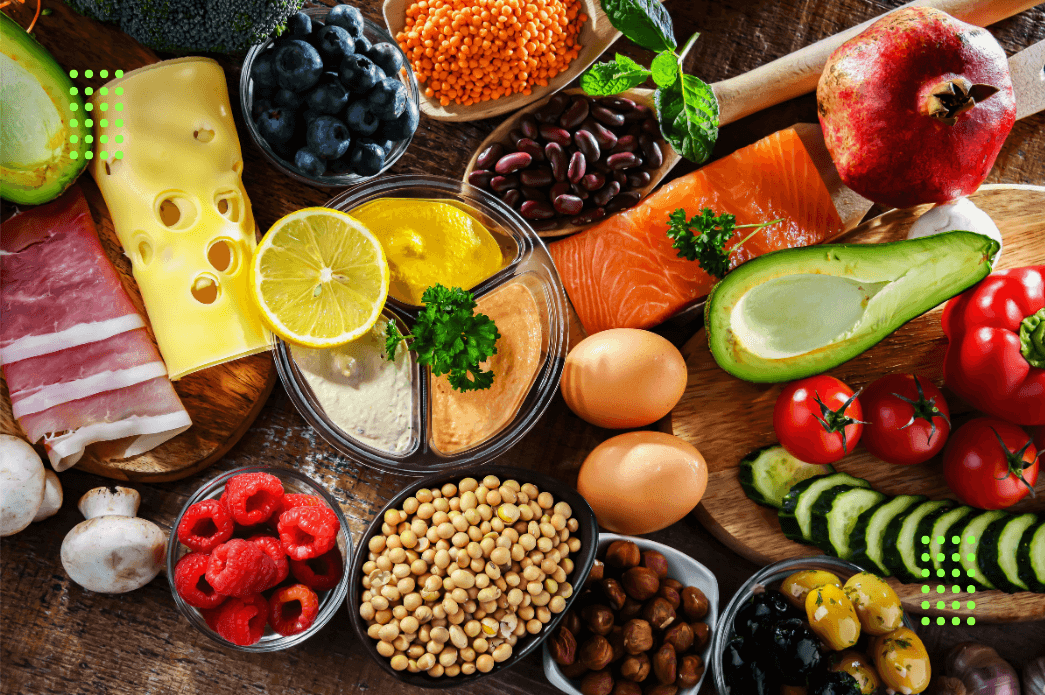
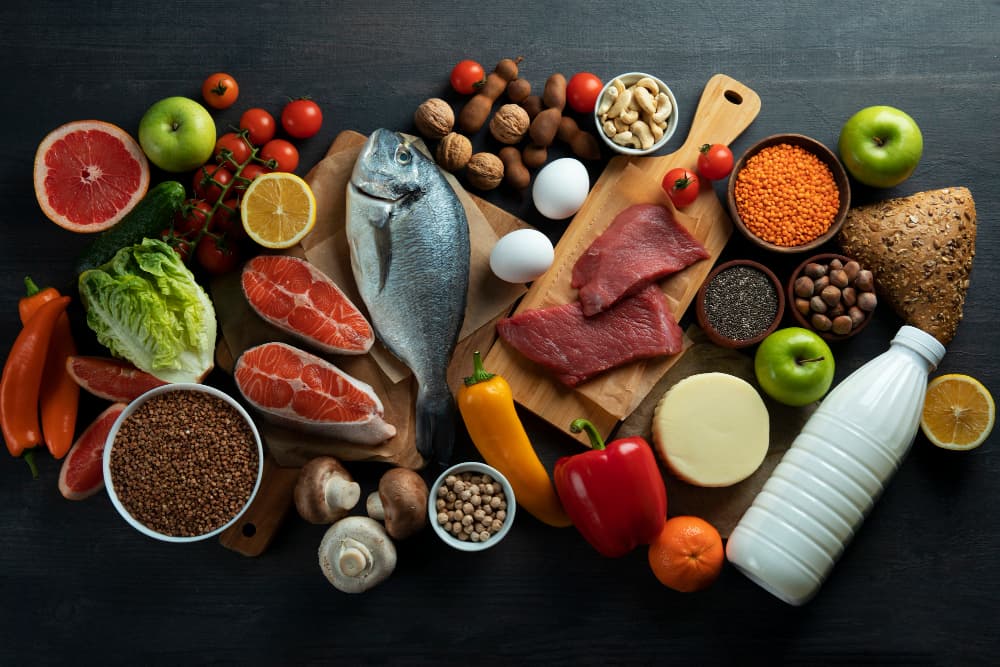
Quality matters as much as quantity when it comes to protein sources. Wild-caught fish, pasture-raised eggs, grass-fed meats, and organic poultry provide complete amino acid profiles along with beneficial nutrients like omega-3 fatty acids, B vitamins, and minerals. Plant-based protein sources like legumes, nuts, seeds, and whole grains can also contribute significantly, though combining various sources ensures complete amino acid profiles.
The Fat Factor: Essential Nutrients for Hormone Harmony 🥑
For decades, dietary fat was demonized, leading many people to adopt low-fat diets that unknowingly sabotaged their hormonal health. The truth is that healthy fats are absolutely essential for hormone production—cholesterol itself serves as the precursor molecule for all steroid hormones, including cortisol, estrogen, progesterone, and testosterone.
When you don’t consume adequate healthy fats, your body struggles to produce sufficient quantities of these crucial hormones. This is particularly problematic for women, who may experience irregular menstrual cycles, fertility challenges, and premature aging when fat intake is too low.
Prioritizing the Right Fats
Focus on incorporating omega-3 fatty acids from sources like wild-caught salmon, sardines, mackerel, walnuts, flaxseeds, and chia seeds. These anti-inflammatory fats support hormone receptor sensitivity, reduce inflammation that can disrupt hormonal signaling, and provide crucial support for brain health and mood regulation.
Monounsaturated fats from avocados, olive oil, almonds, and cashews support cardiovascular health and provide steady energy. Saturated fats from coconut oil, grass-fed butter, and ghee have been rehabilitated by recent research showing their importance for hormone production when consumed in moderation.
Conversely, minimize consumption of inflammatory omega-6 fatty acids from vegetable oils, processed foods, and conventionally raised animal products. Avoid trans fats entirely, as they interfere with hormone receptor function and promote inflammation throughout the body.
Micronutrients That Make the Difference
While macronutrients provide the foundation, specific vitamins and minerals play starring roles in hormonal health. Deficiencies in key micronutrients can single-handedly disrupt hormonal balance, regardless of how well you manage other aspects of your diet.
Magnesium deserves special attention as it’s involved in over 300 enzymatic reactions, many related to hormone production and regulation. This mineral supports healthy insulin function, activates vitamin D, helps produce thyroid hormones, and promotes restful sleep by supporting melatonin production. Dark leafy greens, pumpkin seeds, almonds, dark chocolate, and avocados provide excellent magnesium sources.
Vitamin D functions more like a hormone than a vitamin, influencing gene expression and supporting immune function, mood regulation, and reproductive health. Despite its importance, vitamin D deficiency remains widespread. Safe sun exposure combined with food sources like fatty fish, egg yolks, and fortified foods can help, though many people benefit from supplementation, especially in winter months.
Zinc is critical for thyroid hormone production, insulin regulation, and sex hormone balance. Oysters contain more zinc per serving than any other food, but beef, pumpkin seeds, cashews, and chickpeas also provide significant amounts. B vitamins, particularly B6 and B12, support energy production, stress response, and the metabolism of hormones, especially estrogen.
The Gut-Hormone Connection: An Underappreciated Relationship 🦠
Your gut microbiome—the trillions of bacteria residing in your digestive tract—plays a surprisingly significant role in hormonal balance. These microorganisms influence hormone levels through multiple mechanisms, including producing certain hormones, metabolizing others, and affecting inflammation levels throughout your body.
The estrobolome, a specific collection of gut bacteria, regulates estrogen metabolism and recirculation. An unhealthy gut microbiome can lead to inappropriate reabsorption of estrogen that should be eliminated, contributing to estrogen dominance and related symptoms like breast tenderness, heavy periods, mood swings, and increased cancer risk.
Additionally, your gut bacteria produce neurotransmitters like serotonin and GABA that influence mood and stress response. In fact, approximately 90% of serotonin is produced in the gut, highlighting the profound connection between digestive health and emotional wellbeing.
Nourishing Your Gut Microbiome
Incorporate fermented foods like sauerkraut, kimchi, kefir, yogurt with live cultures, kombucha, and miso to introduce beneficial bacteria. These probiotic-rich foods help populate your gut with health-promoting microorganisms that support hormonal metabolism.
Feed your beneficial bacteria with prebiotic fiber from foods like onions, garlic, leeks, asparagus, bananas, oats, and Jerusalem artichokes. These fibers serve as fuel for your gut microbiome, helping beneficial bacteria thrive and produce helpful metabolites like short-chain fatty acids.
Minimize consumption of processed foods, artificial sweeteners, and excessive antibiotics when possible, as these can devastate beneficial gut bacteria and promote dysbiosis that undermines hormonal health.
Stress, Cortisol, and the Nutritional Response
Chronic stress represents one of the most significant threats to hormonal balance in modern life. When stress becomes unrelenting, cortisol levels can remain elevated, eventually leading to adrenal dysfunction and widespread hormonal disruption. While nutrition alone cannot eliminate life stressors, strategic dietary choices can significantly support your stress response system.
During stress, your body requires increased amounts of certain nutrients, particularly vitamin C, B vitamins, magnesium, and protein. Ensuring adequate intake of these nutrients helps your adrenal glands function optimally even under pressure. Conversely, relying on caffeine, sugar, and refined carbohydrates during stressful periods creates additional metabolic stress that compounds your body’s burden.
Adaptogenic herbs like ashwagandha, rhodiola, holy basil, and maca root can be incorporated through teas, smoothies, or supplements to support healthy cortisol rhythms and stress resilience. These botanicals have been used for centuries in traditional medicine systems to help the body adapt to various stressors.
Environmental Estrogens: What Your Food May Be Hiding ⚠️
Beyond nutrients, we must consider hormone-disrupting chemicals that can enter our bodies through food. Xenoestrogens—synthetic compounds that mimic estrogen—are found in pesticides, plastics, and various chemicals used in conventional food production. These endocrine disruptors can bind to hormone receptors and interfere with normal hormonal signaling.
Choosing organic produce whenever possible, especially for the “Dirty Dozen” foods highest in pesticide residues, reduces your exposure to these problematic chemicals. Storing food in glass rather than plastic containers prevents plastic-derived compounds from leaching into your meals. Avoiding canned foods with BPA-lined cans and selecting grass-fed, organic animal products minimizes exposure to hormones and chemicals concentrated in animal fat.
Timing Matters: Circadian Rhythms and Eating Patterns 🌙
When you eat may be almost as important as what you eat when it comes to hormonal health. Your body operates on circadian rhythms—24-hour cycles that influence hormone production, metabolism, and cellular repair. Aligning your eating patterns with these natural rhythms supports optimal hormonal function.
Eating your largest meals earlier in the day when insulin sensitivity is naturally higher supports better blood sugar control. Conversely, large meals late at night can disrupt sleep quality, interfere with overnight hormone production, and contribute to weight gain. Establishing a consistent eating schedule helps regulate hormones like cortisol, ghrelin, and leptin that follow predictable daily patterns.
Intermittent fasting has gained attention for its potential hormonal benefits, including improved insulin sensitivity, enhanced growth hormone production, and cellular repair processes called autophagy. However, fasting strategies must be approached cautiously, especially for women, as excessive restriction can backfire and suppress thyroid function or disrupt menstrual cycles.
Personalizing Your Approach: Bio-Individuality in Hormonal Nutrition
While the principles discussed provide a strong foundation, remember that nutrition is never one-size-fits-all. Your unique genetics, health history, stress levels, activity patterns, and current hormonal status all influence your optimal dietary approach. What restores balance for one person may not work identically for another.
Pay attention to how different foods affect your energy, mood, sleep quality, and physical symptoms. Keeping a food and symptom journal can reveal patterns that help you identify personal triggers and supportive foods. Working with a qualified healthcare practitioner who understands functional nutrition and hormonal health can provide personalized guidance based on your specific situation.
Laboratory testing can offer valuable insights into your current hormonal status, nutrient levels, and metabolic function. Tests like comprehensive metabolic panels, thyroid panels including T3 and reverse T3, sex hormone panels, vitamin D levels, and comprehensive stool analyses can inform targeted nutritional interventions.
Creating Your Hormonal Health Plate 🍽️
Putting all these principles together, an ideal meal for hormonal balance includes several key components. Fill half your plate with non-starchy vegetables providing fiber, antioxidants, and micronutrients. Include a palm-sized portion of quality protein to support blood sugar stability and hormone production. Add a serving of healthy fats from sources like avocado, nuts, seeds, or olive oil to support hormone synthesis.
Round out your plate with a moderate portion of complex carbohydrates like sweet potato, quinoa, or legumes, adjusting quantity based on your activity level and metabolic health. This balanced approach provides sustained energy, stable blood sugar, comprehensive nutrients, and the building blocks your endocrine system needs to function optimally.
The Lifestyle Integration Factor
While this article focuses on nutrition, hormonal health never exists in isolation from other lifestyle factors. Quality sleep, regular movement, stress management practices, toxin reduction, and meaningful social connections all significantly impact your hormonal landscape. The most nutrient-dense diet cannot fully compensate for chronic sleep deprivation or unmanaged stress.
View nutrition as one essential component within a comprehensive approach to hormonal wellness. Exercise supports insulin sensitivity and healthy cortisol rhythms. Sleep provides crucial time for hormone production and regulation. Stress management techniques like meditation, yoga, or time in nature directly influence cortisol and inflammation.

Moving Forward: Your Roadmap to Hormonal Harmony
Transforming your hormonal health through nutrition is not an overnight process. Hormones have momentum—imbalances that developed over months or years require patience and consistency to resolve. Start with small, sustainable changes rather than attempting a complete dietary overhaul that feels overwhelming and unsustainable.
Perhaps you begin by ensuring adequate protein at breakfast, adding more vegetables to your meals, or reducing your sugar intake. As these habits become established, layer in additional supportive practices. Progress over perfection should be your mantra, as consistency with good-enough choices far outweighs perfect adherence that cannot be maintained.
Celebrate the subtle shifts you notice along the way—improved energy in the afternoon, better sleep quality, more stable moods, or reduced cravings. These small victories indicate your body is responding to the nutritional support you’re providing and moving toward greater balance.
Remember that your body possesses remarkable wisdom and healing capacity when given the proper raw materials. By nourishing yourself with intention and attention to the foods that support hormonal harmony, you provide your endocrine system with everything it needs to orchestrate the beautiful symphony of optimal health. Your hormones want to be balanced—nutrition gives them the tools to achieve that natural state of equilibrium. 🌟