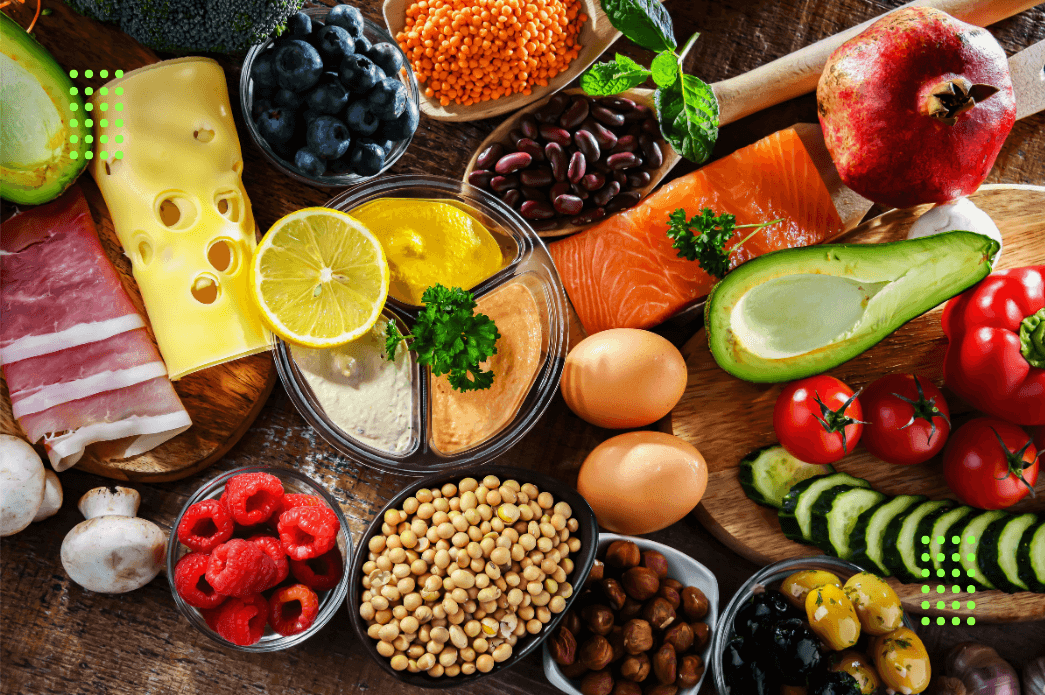
The debate between supplements and whole food nutrition has captivated health enthusiasts for decades. Understanding which approach best serves your wellness goals can transform your health journey.

🌟 The Foundation of Optimal Nutrition
In today’s fast-paced world, the question of how to fuel our bodies optimally has never been more relevant. We’re constantly bombarded with marketing messages promising quick fixes through supplementation, while nutritionists advocate for returning to whole food sources. This creates a confusing landscape where distinguishing between necessity and marketing hype becomes increasingly difficult.
The human body evolved over millions of years consuming whole foods from natural sources. Our digestive systems, cellular processes, and metabolic pathways were designed to extract nutrients from complex food matrices. This fundamental truth provides important context when evaluating modern nutritional strategies.
However, modern agriculture, food processing, and lifestyle factors have created unique challenges. Soil depletion, extended transportation times, and storage methods can reduce the nutritional content of foods. Additionally, our increased stress levels, environmental toxins, and sedentary lifestyles may increase our nutritional requirements beyond what our ancestors needed.
🥗 The Whole Food Advantage: Nature’s Perfect Package
Whole foods offer nutrients in their natural context, accompanied by hundreds of phytonutrients, fiber, and cofactors that work synergistically. When you consume an orange, you’re not just getting vitamin C—you’re receiving bioflavonoids, fiber, water, and numerous other compounds that enhance absorption and utilization.
This complexity is difficult, if not impossible, to replicate in supplement form. The interactions between nutrients in whole foods often determine their bioavailability and effectiveness. For example, the iron in spinach is better absorbed when consumed with vitamin C from tomatoes, and the calcium in dairy products comes naturally paired with vitamin D and magnesium.
The Synergistic Effect of Food Matrices
Scientific research increasingly demonstrates that isolated nutrients don’t always produce the same benefits as those consumed within whole foods. Studies on vitamin E supplementation showed minimal cardiovascular benefits, while populations consuming vitamin E-rich foods showed significant heart health improvements. This suggests that the complete food package matters more than individual nutrient components.
Whole foods also provide satiety and help regulate appetite naturally. The fiber content slows digestion, leading to more stable blood sugar levels and sustained energy throughout the day. This natural regulation is something supplements simply cannot replicate, as they’re typically devoid of fiber and bulk.
Nutrient Density and Food Quality
Prioritizing nutrient-dense whole foods means choosing options that pack maximum nutritional value per calorie. Dark leafy greens, colorful vegetables, wild-caught fish, grass-fed meats, nuts, seeds, and legumes provide exceptional nutrient profiles that support optimal bodily function.
The preparation and cooking methods also influence nutrient availability. Some nutrients become more bioavailable through cooking, while others are best consumed raw. This diversity in food preparation creates a rich tapestry of nutritional benefits that supplements cannot match.
💊 The Supplement Strategy: Filling the Gaps
Despite the advantages of whole foods, supplements serve important roles in modern nutrition. They can address specific deficiencies, support increased nutritional needs during certain life stages, and compensate for dietary restrictions or medical conditions that impair nutrient absorption.
Certain populations benefit significantly from targeted supplementation. Pregnant women require additional folate to prevent neural tube defects. Vegans need vitamin B12, which is primarily found in animal products. Individuals with limited sun exposure may require vitamin D supplementation. These are evidence-based interventions that support health when whole food sources are insufficient or unavailable.
When Supplementation Makes Sense
Several scenarios justify supplement use beyond addressing deficiencies. Athletes with increased nutritional demands, individuals recovering from illness or surgery, people with diagnosed absorption issues, and those following restrictive diets may genuinely benefit from strategic supplementation.
Quality matters significantly in the supplement industry. Third-party testing, transparent sourcing, and proper manufacturing standards distinguish reputable products from ineffective or potentially harmful ones. Look for certifications from organizations like NSF International, USP, or ConsumerLab when selecting supplements.
The Bioavailability Question
Not all supplement forms are created equal. The chemical form of a nutrient affects how well your body can absorb and utilize it. Magnesium citrate absorbs better than magnesium oxide. Methylcobalamin represents a more bioavailable form of vitamin B12 than cyanocobalamin. Understanding these distinctions helps maximize supplement effectiveness.
However, even the most bioavailable supplement forms face challenges that whole foods naturally overcome. Supplements often lack the cofactors needed for optimal absorption. Taking isolated calcium without adequate vitamin D, magnesium, and vitamin K2 may limit absorption and potentially cause imbalances.
⚖️ Finding Your Personal Balance
The most effective nutritional strategy isn’t an either-or proposition but rather a personalized approach that leverages both whole foods and strategic supplementation. Your individual needs depend on various factors including age, activity level, health status, dietary preferences, and genetic predispositions.
Begin by building a strong foundation with nutrient-dense whole foods. Aim to consume a rainbow of vegetables and fruits, quality protein sources, healthy fats, and appropriate amounts of whole grains or alternative carbohydrate sources based on your metabolic needs.
Assessment and Personalization
Understanding your current nutritional status provides valuable guidance for supplementation decisions. Working with healthcare providers to conduct appropriate testing can identify deficiencies or suboptimal levels that warrant supplementation. Common tests include vitamin D, B12, iron studies, and comprehensive metabolic panels.
Keep a detailed food diary for at least a week to honestly assess your dietary patterns. Many people overestimate their whole food intake and underestimate processed food consumption. This awareness creates the foundation for meaningful improvement.
Tracking Progress and Adjusting Strategy
Monitor how your body responds to dietary changes and supplementation. Energy levels, sleep quality, digestion, skin health, and overall wellbeing provide valuable feedback. If you’re considering using apps to track your nutrition and progress, several quality options exist that can help you monitor macro and micronutrient intake effectively.
Be patient with the process. Unlike pharmaceutical interventions that produce rapid effects, nutritional improvements typically unfold over weeks or months. Consistency matters more than perfection, and sustainable changes trump dramatic but temporary overhauls.
🔬 What the Science Actually Says
Research increasingly supports a whole food-first approach supplemented strategically when necessary. Large-scale studies on multivitamin use in well-nourished populations show minimal health benefits, while studies on whole food consumption consistently demonstrate reduced disease risk and improved health outcomes.
The landmark PREDIMED study demonstrated that a Mediterranean diet rich in whole foods reduced cardiovascular events more effectively than low-fat diets. No supplement regimen has shown comparable benefits for overall health and longevity.
The Antioxidant Paradox
Early research suggested that antioxidant supplements might prevent chronic diseases and slow aging. However, large randomized controlled trials failed to confirm these benefits, and some studies even suggested potential harm from high-dose antioxidant supplementation.
Conversely, consuming antioxidants through whole foods continues to show protective effects. This paradox likely relates to the complex interactions between nutrients and the presence of other beneficial compounds in whole foods that supplements lack.
The Gut Microbiome Connection
Emerging research on the gut microbiome reveals another advantage of whole foods. The diverse fibers and phytonutrients in whole foods feed beneficial gut bacteria, supporting overall health through mechanisms we’re only beginning to understand. Most supplements provide no food for gut bacteria and may bypass the digestive system without positively impacting the microbiome.
Fermented foods, in particular, provide both beneficial bacteria and the compounds that feed them, creating a synbiotic effect that supplements cannot replicate. Incorporating kimchi, sauerkraut, kefir, or other fermented foods provides unique health benefits.
🎯 Practical Implementation Strategies
Building an effective nutritional approach requires practical strategies that fit your lifestyle. Start by identifying your biggest nutritional weaknesses. Do you skip breakfast? Rarely eat vegetables? Rely heavily on processed convenience foods? Choose one area to improve initially rather than attempting a complete overhaul.
Meal planning and preparation significantly increase whole food consumption. Dedicating a few hours weekly to prepare vegetables, cook proteins, and organize meals removes barriers to healthy eating during busy weekdays.
Building Nutrient-Dense Meals
Each meal should include protein, healthy fats, fiber-rich carbohydrates, and colorful vegetables or fruits. This combination provides sustained energy, supports satiety, and delivers diverse nutrients. Simple frameworks like the “plate method” help visualize appropriate portions without requiring calorie counting.
Incorporate variety to ensure comprehensive nutrient intake. Different foods provide different nutrient profiles, so eating the same meals repeatedly may create nutritional gaps. Challenge yourself to try new vegetables, proteins, or whole grains regularly.
Smart Supplementation Guidelines
If supplementation is appropriate for your situation, choose quality products from reputable companies. Start with basics that address identified needs rather than taking dozens of supplements based on marketing promises.
Consider these evidence-based supplementation priorities: vitamin D for those with limited sun exposure, omega-3 fatty acids if you don’t regularly consume fatty fish, vitamin B12 for vegans and older adults, and iron or folate during pregnancy as recommended by healthcare providers.
💡 Moving Beyond the False Dichotomy
The supplement versus whole food debate presents a false choice. Both have roles in optimal nutrition when used appropriately. The key is understanding that whole foods should form your nutritional foundation, with supplements serving as targeted interventions for specific needs.
Recognize that food is more than just nutrients—it’s pleasure, culture, social connection, and nourishment for both body and soul. No supplement can replace the satisfaction of a delicious meal shared with loved ones or the simple pleasure of biting into a perfectly ripe piece of fruit.
The Economic Consideration
Quality whole foods and supplements both require financial investment, but whole foods provide calories, satiety, and enjoyment alongside nutrients. Spending money on unnecessary supplements while neglecting food quality represents poor resource allocation for most people.
Budget-conscious nutrition strategies emphasize seasonal produce, bulk whole grains and legumes, and strategic protein purchases. These approaches maximize nutritional value while minimizing costs, often proving more economical than supplement-heavy approaches.

🚀 Optimizing Your Nutritional Future
Your nutritional journey is uniquely yours, influenced by your genetics, environment, lifestyle, and goals. Embrace experimentation and self-discovery as you determine what works best for your body. Pay attention to how different foods and supplementation strategies affect your energy, performance, and wellbeing.
Stay informed about nutrition science, but maintain healthy skepticism about sensational claims. Genuine nutritional breakthroughs are rare, while marketing hype is constant. Rely on established scientific consensus rather than individual studies or testimonials when making decisions.
Ultimately, unlocking your full potential through nutrition requires viewing food as fuel, medicine, and pleasure combined. Prioritize whole, minimally processed foods that nourish your body and satisfy your soul. Use supplements strategically to address genuine needs identified through testing or medical guidance rather than as insurance against a poor diet.
The path to optimal nutrition isn’t found in choosing between supplements and whole foods—it’s discovered by thoughtfully integrating both according to your individual circumstances. Build your foundation with nutrient-dense whole foods, then add targeted supplementation where evidence and personal needs justify it. This balanced approach provides the best opportunity to unlock your full potential and thrive throughout your life.