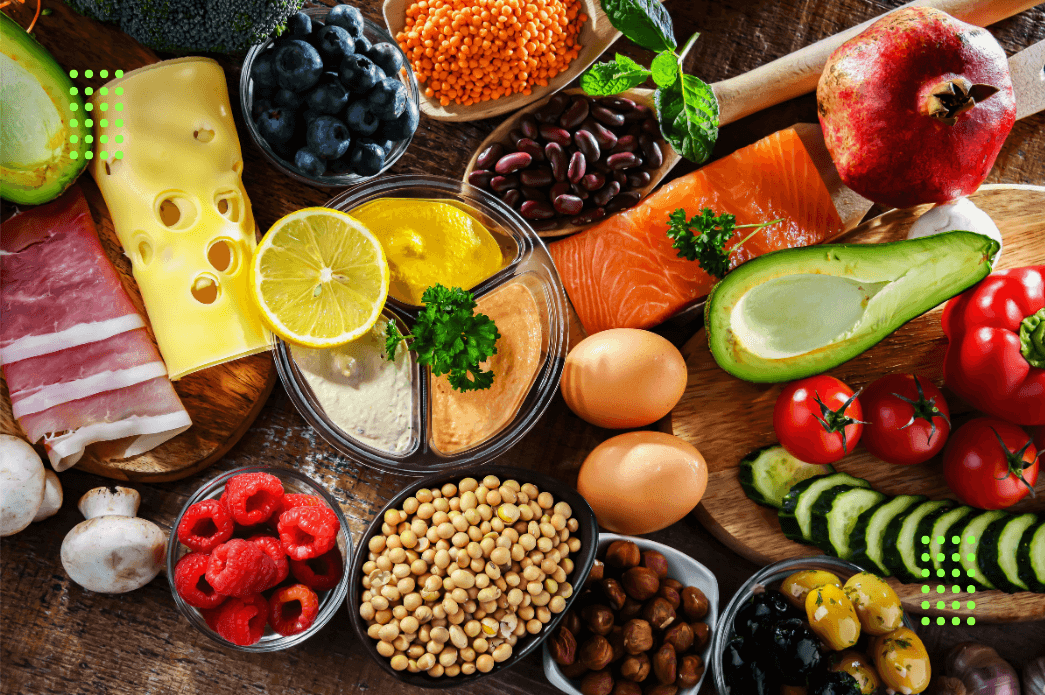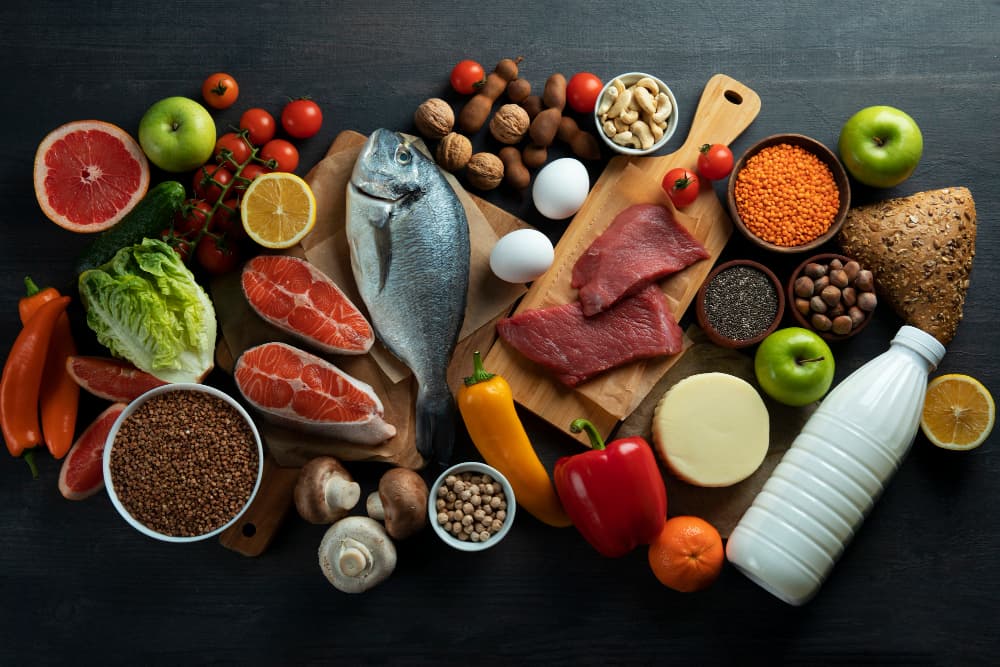
The human body is an incredible machine designed with natural detoxification systems that work tirelessly to eliminate toxins and maintain optimal health.

In recent years, detox and elimination diets have surged in popularity, promising everything from weight loss to increased energy and clearer skin. But what does science actually say about these approaches? Are they miracle solutions or just another wellness trend? Understanding how your body naturally cleanses itself and whether dietary interventions can enhance this process is crucial for making informed health decisions.
This comprehensive guide will explore the fascinating science behind detoxification, examine popular elimination diets, and reveal evidence-based strategies for supporting your body’s natural cleansing mechanisms. Whether you’re considering a detox program or simply curious about how your body maintains internal balance, this article will provide the knowledge you need to make empowered choices about your health.
🔬 Understanding Your Body’s Natural Detoxification System
Before diving into detox diets, it’s essential to understand that your body already possesses sophisticated detoxification systems that operate continuously without special diets or supplements. These biological processes have evolved over millions of years to protect you from harmful substances.
Your liver serves as the primary detoxification organ, processing everything from medications to environmental toxins. This remarkable organ uses a two-phase process to transform fat-soluble toxins into water-soluble compounds that can be eliminated through urine or bile. Phase I detoxification involves enzymes called cytochrome P450, which modify toxic substances, while Phase II conjugation attaches molecules to these modified toxins, making them easier to excrete.
The kidneys work alongside the liver, filtering approximately 200 quarts of blood daily to remove waste products and excess substances. These bean-shaped organs regulate fluid balance, electrolyte levels, and blood pressure while eliminating metabolic waste through urine. The efficiency of kidney function directly impacts your body’s ability to maintain internal cleanliness.
Your digestive system, particularly the intestines, plays a crucial role in detoxification by preventing harmful substances from entering your bloodstream. The gut lining acts as a selective barrier, allowing nutrients to pass while blocking toxins and pathogens. Additionally, beneficial gut bacteria help break down certain toxins and support immune function.
The Lymphatic System: Your Body’s Drainage Network
Often overlooked in discussions about detoxification, the lymphatic system serves as your body’s waste removal network. This system consists of vessels, nodes, and organs that collect cellular waste, excess fluid, and toxins from tissues throughout your body. Unlike the circulatory system, which has the heart to pump blood, the lymphatic system relies on muscle movement and breathing to circulate lymph fluid.
Your skin, the body’s largest organ, eliminates toxins through sweat glands. While sweating isn’t the primary detoxification method, it does help remove small amounts of heavy metals, BPA, and other chemicals. The lungs constantly expel carbon dioxide and volatile organic compounds with each breath, contributing to your body’s overall detoxification efforts.
💊 What Are Elimination Diets and How Do They Work?
Elimination diets represent a systematic approach to identifying food sensitivities and intolerances by temporarily removing suspected trigger foods from your diet. Unlike general detox programs, elimination diets have scientific backing and are often recommended by healthcare professionals for diagnosing food-related health issues.
The typical elimination diet involves two distinct phases. During the elimination phase, which usually lasts 2-6 weeks, you remove common allergenic or inflammatory foods from your diet. These typically include dairy products, gluten-containing grains, eggs, soy, corn, shellfish, tree nuts, peanuts, and sometimes nightshade vegetables or citrus fruits.
After the elimination period, you systematically reintroduce foods one at a time during the reintroduction phase. This careful process helps identify which foods, if any, trigger symptoms such as digestive discomfort, skin issues, headaches, fatigue, or joint pain. The reintroduction phase can take several weeks as you test each food group separately with sufficient time between introductions to observe reactions.
The Science Behind Food Sensitivities
Food sensitivities differ from true food allergies in important ways. While food allergies trigger immediate immune responses involving IgE antibodies and can cause severe reactions like anaphylaxis, food sensitivities typically involve delayed reactions mediated by different immune mechanisms. These sensitivities can cause chronic inflammation and contribute to various health conditions without showing up on standard allergy tests.
Research has shown that certain foods can increase intestinal permeability, commonly known as “leaky gut.” When the intestinal barrier becomes compromised, partially digested food particles and bacterial components can enter the bloodstream, triggering immune responses and systemic inflammation. Elimination diets may help reduce this inflammatory burden by temporarily removing problematic foods while the gut barrier heals.
🍎 Popular Detox Diet Approaches: Examining the Evidence
The wellness industry promotes numerous detox diet variations, each claiming unique benefits. Understanding what science says about these approaches helps separate fact from fiction.
Juice Cleanses and Fasting Protocols
Juice cleanses involve consuming only fruit and vegetable juices for periods ranging from one day to several weeks. Proponents claim these cleanses “rest” the digestive system and flood the body with nutrients. However, scientific evidence supporting juice cleanses remains limited. While fresh juices provide vitamins and antioxidants, they lack fiber, protein, and essential fats necessary for optimal health.
Intermittent fasting and prolonged fasting have garnered more scientific attention. Research suggests that fasting triggers cellular repair processes called autophagy, where cells break down and recycle damaged components. Studies have shown potential benefits for metabolic health, inflammation reduction, and longevity. However, fasting isn’t appropriate for everyone and should be approached cautiously, particularly by individuals with certain medical conditions.
Whole Food Detox Programs
Whole food-based detox programs emphasize consuming nutrient-dense, minimally processed foods while avoiding refined sugars, alcohol, caffeine, and processed foods. These approaches often include plenty of vegetables, fruits, lean proteins, and healthy fats. Unlike extreme juice cleanses, whole food detoxes provide adequate nutrition while reducing intake of potentially inflammatory substances.
Scientific support for this approach comes from research showing that diets rich in phytonutrients, fiber, and antioxidants support liver function and reduce oxidative stress. Cruciferous vegetables like broccoli, cauliflower, and kale contain compounds that enhance Phase II liver detoxification. Similarly, foods high in sulfur, such as garlic and onions, support glutathione production, a critical antioxidant involved in detoxification.
⚖️ The Truth About Toxin Exposure and Accumulation
Understanding actual toxin exposure helps put detox claims into perspective. We live in an environment where exposure to various chemicals is inevitable, from air pollution to pesticide residues in food. The question isn’t whether we encounter toxins, but whether our bodies can effectively manage this exposure.
Persistent organic pollutants (POPs), heavy metals, and endocrine-disrupting chemicals can accumulate in body tissues over time. Research has detected hundreds of synthetic chemicals in human blood and tissue samples. However, the presence of these chemicals doesn’t automatically translate to harm, as dose, duration of exposure, and individual variations in detoxification capacity all play roles in determining health impacts.
Your body’s detoxification systems evolved to handle natural toxins from plants, bacterial byproducts, and metabolic waste. While these systems can process many synthetic chemicals, chronic high-level exposure or genetic variations affecting detoxification enzymes may overwhelm these natural mechanisms. This reality has fueled interest in supporting detoxification through dietary and lifestyle interventions.
Can You Actually “Detox” Through Diet? 🤔
The scientific community generally agrees that you cannot “cleanse” your body of toxins through short-term dietary interventions in the way marketing claims suggest. Your liver, kidneys, and other organs continuously detoxify your body regardless of whether you’re following a special diet. No juice cleanse or supplement can replace or significantly enhance these fundamental biological processes.
However, nutritional strategies can support optimal function of your detoxification organs. Adequate hydration ensures proper kidney function. Sufficient protein provides amino acids needed for Phase II liver detoxification. Fiber promotes regular bowel movements and toxin elimination. Antioxidant-rich foods protect cells from oxidative damage during detoxification processes.
Rather than thinking about “detoxing,” it’s more accurate to consider how dietary choices can support or hinder your body’s natural detoxification capabilities over time. Chronic consumption of alcohol, excess sugar, and processed foods can impair liver function and promote inflammation, while a nutrient-rich diet supports these critical systems.
🌟 Evidence-Based Strategies for Supporting Natural Detoxification
Instead of extreme detox diets, consider these science-supported approaches for optimizing your body’s natural cleansing processes:
- Prioritize hydration: Drinking adequate water supports kidney function and toxin elimination through urine. Aim for at least 8 glasses daily, adjusting for activity level and climate.
- Increase fiber intake: Dietary fiber binds to toxins in the digestive tract and promotes their elimination. Vegetables, fruits, whole grains, and legumes provide excellent fiber sources.
- Consume cruciferous vegetables: Broccoli, Brussels sprouts, cabbage, and kale contain sulforaphane and indole-3-carbinol, compounds that enhance detoxification enzyme activity.
- Support gut health: Fermented foods like yogurt, kefir, sauerkraut, and kimchi provide beneficial bacteria that support intestinal barrier function and toxin metabolism.
- Limit alcohol consumption: Excessive alcohol taxes the liver and impairs its detoxification capacity. Moderate intake or abstinence allows optimal liver function.
- Exercise regularly: Physical activity promotes lymphatic circulation, increases sweating, enhances blood flow to detoxification organs, and supports overall metabolic health.
- Prioritize sleep: During sleep, the brain’s glymphatic system removes metabolic waste. Chronic sleep deprivation impairs this crucial cleansing process.
- Reduce toxin exposure: Choose organic produce when possible, use natural cleaning products, avoid plastic food containers, and filter drinking water to minimize toxin intake.
Nutrients That Support Detoxification Pathways
Certain nutrients play specific roles in supporting your body’s detoxification systems. Understanding these can help you make informed dietary choices:
| Nutrient | Function in Detoxification | Food Sources |
|---|---|---|
| Glutathione | Master antioxidant, critical for Phase II detoxification | Sulfur-rich foods, whey protein, avocados |
| B Vitamins | Support methylation and Phase II conjugation | Leafy greens, legumes, eggs, meat |
| Magnesium | Cofactor for detoxification enzymes | Dark leafy greens, nuts, seeds, whole grains |
| Vitamin C | Antioxidant protection, supports glutathione | Citrus fruits, berries, peppers, broccoli |
| Selenium | Component of glutathione peroxidase enzyme | Brazil nuts, fish, eggs, poultry |
🚨 Warning Signs: When Detox Claims Go Too Far
The detox industry is rife with exaggerated claims and potentially harmful products. Recognizing red flags helps protect your health and wallet:
Be skeptical of products or programs claiming to remove unspecified “toxins” without identifying specific substances. Legitimate detoxification addresses particular compounds, not vague toxic buildup. Similarly, claims that you can “cleanse” specific organs through dietary supplements lack scientific foundation.
Extreme low-calorie detoxes can cause nutrient deficiencies, muscle loss, metabolic slowdown, and rebound weight gain. Programs requiring expensive proprietary supplements often prioritize profit over health. Your body’s detoxification systems primarily need real food nutrients, not costly formulations.
Detox teas containing laxatives or diuretics can cause dehydration, electrolyte imbalances, and dependency. While these products may produce rapid weight loss, this comes from water and waste elimination, not fat loss or actual detoxification. Long-term use can damage digestive function.
Who Should Avoid Detox and Elimination Diets?
Certain populations should approach detox and elimination diets with caution or avoid them entirely. Pregnant and breastfeeding women require consistent nutrition and shouldn’t restrict food groups without medical supervision. Children and adolescents need adequate calories and nutrients for growth and development.
Individuals with eating disorders or disordered eating histories may find that restrictive detox programs trigger problematic behaviors. People with diabetes, kidney disease, or other chronic conditions should consult healthcare providers before making significant dietary changes. Those taking medications that require consistent food intake or affect nutrient metabolism need professional guidance.
🎯 Creating Your Personalized Approach to Optimal Health
Rather than following one-size-fits-all detox protocols, consider developing a personalized approach based on your individual needs, health status, and goals. Start by assessing your current diet and lifestyle. Are you consuming adequate vegetables, staying hydrated, getting enough sleep, and managing stress? Often, addressing these fundamentals provides more benefits than any specialized detox program.
If you suspect food sensitivities contribute to your symptoms, work with a registered dietitian or healthcare provider to implement a proper elimination diet. This supervised approach ensures nutritional adequacy while systematically identifying problematic foods. Professional guidance helps distinguish between true sensitivities and other health issues that may cause similar symptoms.
Focus on sustainable habits rather than short-term interventions. Your detoxification systems function continuously, so supporting them requires ongoing commitment to healthy living rather than periodic “cleanses.” Gradual improvements in diet quality, stress management, physical activity, and sleep hygiene provide lasting benefits that no quick fix can match.
🌈 Beyond Diet: Lifestyle Factors That Influence Detoxification
While nutrition receives most attention in detox discussions, other lifestyle factors significantly impact your body’s cleansing capabilities. Chronic stress elevates cortisol levels, promotes inflammation, and impairs digestive function. Stress management through meditation, yoga, deep breathing, or other relaxation techniques supports overall health and detoxification.
Environmental toxin exposure extends beyond food. Household cleaning products, personal care items, and indoor air quality all affect your toxic burden. Choosing natural alternatives, improving ventilation, and using air purifiers can reduce exposure. Simple swaps like glass food storage containers instead of plastic and natural fiber clothing instead of synthetic materials make meaningful differences over time.
Regular movement specifically benefits the lymphatic system, which lacks its own pump. Walking, rebounding, yoga, and strength training all promote lymph circulation and toxin removal. Even gentle activities like stretching or tai chi provide benefits. Aim for consistency rather than intensity when supporting lymphatic health.

✨ Empowering Yourself with Knowledge and Realistic Expectations
Understanding the science behind detoxification empowers you to make informed decisions rather than falling for marketing hype. Your body possesses remarkable self-cleaning capabilities that work constantly without special interventions. Rather than seeking quick fixes through extreme detox diets, focus on consistently supporting these natural systems through balanced nutrition, adequate hydration, regular exercise, quality sleep, and stress management.
Elimination diets serve a legitimate purpose when used appropriately to identify food sensitivities under professional guidance. However, they differ fundamentally from detox diets promising to purge toxins. Be critical of extraordinary claims, especially those involving expensive products or extreme restrictions.
Your health journey is uniquely yours. What works for someone else may not suit your body, lifestyle, or goals. Pay attention to how different foods and habits make you feel. Trust your body’s signals while consulting qualified healthcare professionals when needed. This balanced approach leads to sustainable wellness rather than the boom-and-bust cycle of extreme detox programs.
The truth about detoxification is both simpler and more complex than marketing suggests. Simpler because your body already knows how to cleanse itself. More complex because optimal health requires addressing multiple factors beyond any single dietary intervention. By understanding the real science and applying evidence-based strategies, you can genuinely support your body’s natural cleansing abilities for long-term vitality and wellbeing. 🌿