Managing blood sugar doesn’t have to be overwhelming. With the right meal planning strategies, you can enjoy delicious food while keeping your glucose levels stable and predictable.

🍽️ Why Meal Planning Matters for Blood Sugar Management
Meal planning stands as one of the most powerful tools in your arsenal when it comes to maintaining healthy blood sugar levels. Without a structured approach, you’re more likely to make impulsive food choices that can send your glucose on a rollercoaster ride. Planning ahead gives you control, reduces stress, and helps you make intentional decisions that support your health goals.
When you take time to organize your meals, you create a protective buffer against the chaos of daily life. You’re less tempted by convenient but unhealthy options, and you’re better equipped to balance your macronutrients throughout the day. This consistency is exactly what your body needs to maintain stable energy levels and optimal metabolic function.
Research consistently shows that people who plan their meals experience better glycemic control compared to those who eat spontaneously. This isn’t about perfection—it’s about creating sustainable habits that work with your lifestyle rather than against it.
Understanding the Blood Sugar Basics 📊
Before diving into meal planning specifics, it’s essential to understand how food affects your blood sugar. When you eat carbohydrates, they break down into glucose, which enters your bloodstream. Your pancreas responds by releasing insulin, a hormone that helps cells absorb this glucose for energy.
The challenge arises when you consume too many refined carbohydrates or sugars at once. This causes a rapid spike in blood glucose, followed by a dramatic crash that leaves you feeling tired, irritable, and hungry again. Over time, these fluctuations can lead to insulin resistance and other metabolic issues.
Different foods impact blood sugar at different rates. The glycemic index (GI) measures how quickly a food raises blood glucose levels. Low-GI foods provide steady, sustained energy, while high-GI foods cause rapid spikes. Understanding this concept helps you make smarter choices when building your meal plans.
The Three Macronutrients and Their Effects
Carbohydrates have the most significant impact on blood sugar, but protein and fat play crucial supporting roles. Protein helps slow digestion and provides satiety, while healthy fats further moderate glucose absorption and keep you feeling full longer. The key is finding the right balance for your individual needs.
🥗 Building Your Perfect Plate
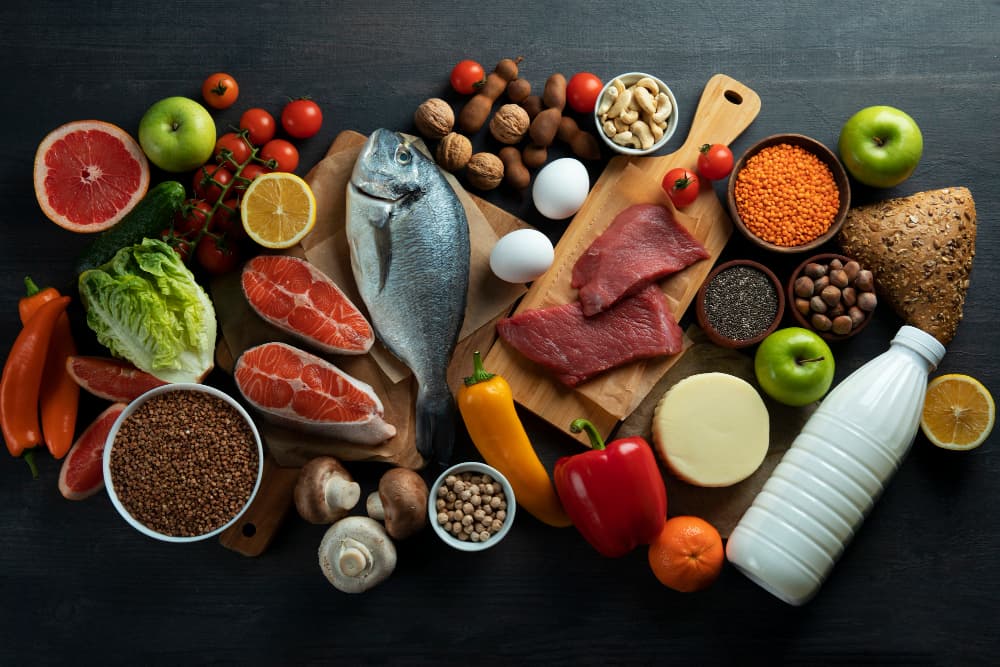
Creating balanced meals doesn’t require complicated calculations or restrictive rules. The plate method offers a simple, visual approach that anyone can master. Divide your plate into sections, and you’ll have a foolproof template for blood sugar-friendly eating.
Fill half your plate with non-starchy vegetables like leafy greens, broccoli, peppers, cauliflower, or zucchini. These foods are packed with fiber, vitamins, and minerals while having minimal impact on blood glucose. They add volume and satisfaction to your meals without contributing excessive calories or carbohydrates.
One quarter of your plate should contain lean protein sources such as chicken, fish, tofu, legumes, or eggs. Protein stabilizes blood sugar by slowing the absorption of carbohydrates and triggering the release of hormones that promote satiety. Aim for a palm-sized portion at each meal.
The remaining quarter is for complex carbohydrates like quinoa, brown rice, sweet potatoes, or whole grain bread. These foods provide essential nutrients and energy while containing fiber that moderates their glycemic impact. Choose whole, unprocessed options whenever possible.
Strategic Timing and Frequency ⏰
When you eat can be just as important as what you eat. Consistent meal timing helps regulate your body’s internal clock and insulin response. Try to eat at roughly the same times each day, spacing meals about four to five hours apart to maintain stable blood sugar levels.
Many people find success with three balanced meals per day, though some benefit from adding one or two small snacks if meals are spaced more than five hours apart. The key is avoiding long periods of fasting followed by large meals, which can trigger significant glucose fluctuations.
Pay attention to your breakfast choices particularly. Starting your day with a protein-rich, balanced meal sets the tone for better blood sugar control throughout the entire day. Skip the sugary cereals and pastries in favor of eggs with vegetables, Greek yogurt with nuts, or overnight oats with protein powder.
The Snacking Strategy
Smart snacking can prevent blood sugar dips between meals. The secret lies in combining macronutrients rather than eating carbohydrates alone. Pair an apple with almond butter, enjoy vegetables with hummus, or have a small handful of nuts with berries. These combinations provide sustained energy without causing spikes.
🛒 Mastering Your Grocery Shopping
Successful meal planning begins at the grocery store. Shopping with intention prevents impulse purchases and ensures you have the right ingredients on hand. Always shop with a detailed list based on your planned meals for the week ahead.
Shop the perimeter of the store first, where fresh produce, proteins, and dairy typically reside. The center aisles contain more processed foods that can wreak havoc on blood sugar. When you do venture into these sections, read labels carefully and look for products with minimal added sugars and high fiber content.
Stock up on versatile staples that work across multiple meals. Frozen vegetables and proteins offer convenience without sacrificing nutrition. Canned beans, tomatoes, and fish provide quick options for busy days. Having these foundational ingredients available makes meal planning infinitely easier.
Practical Meal Prep Techniques 👨🍳
Meal preparation doesn’t mean spending an entire Sunday cooking every single meal. Start small with simple strategies that save time during your busiest weekdays. Even thirty minutes of weekend prep can transform your week.
Batch cooking proteins is one of the highest-impact prep activities. Grill several chicken breasts, roast a large piece of salmon, or cook a pot of beans that you can portion and use throughout the week. Having cooked protein ready to go eliminates one of the most time-consuming aspects of meal preparation.
Chop vegetables in advance and store them in clear containers in your refrigerator. When vegetables are visible and ready to use, you’re far more likely to include them in your meals. Pre-washed salad greens, diced onions, and cut bell peppers become convenient grab-and-go options.
Prepare complete meals in portioned containers if that works for your lifestyle. However, some people prefer a component-based approach where they prep ingredients separately and assemble fresh meals daily. Experiment to find what feels sustainable and enjoyable for you.
📱 Technology as Your Planning Partner
Mobile apps can simplify meal planning and blood sugar tracking significantly. Many applications help you log foods, monitor glucose levels, and identify patterns in how different meals affect your numbers. This data empowers you to make informed adjustments to your eating patterns.
Tracking tools help you spot connections you might otherwise miss. You might discover that certain food combinations work better for you than others, or that eating earlier in the evening improves your morning glucose readings. These insights become invaluable for personalizing your meal planning approach.
Recipe apps with nutritional information take the guesswork out of meal planning. Search for diabetes-friendly or low-glycemic recipes, save your favorites, and generate shopping lists automatically. Technology can handle the organizational details so you can focus on enjoying your food.
🌟 Foods That Support Stable Blood Sugar
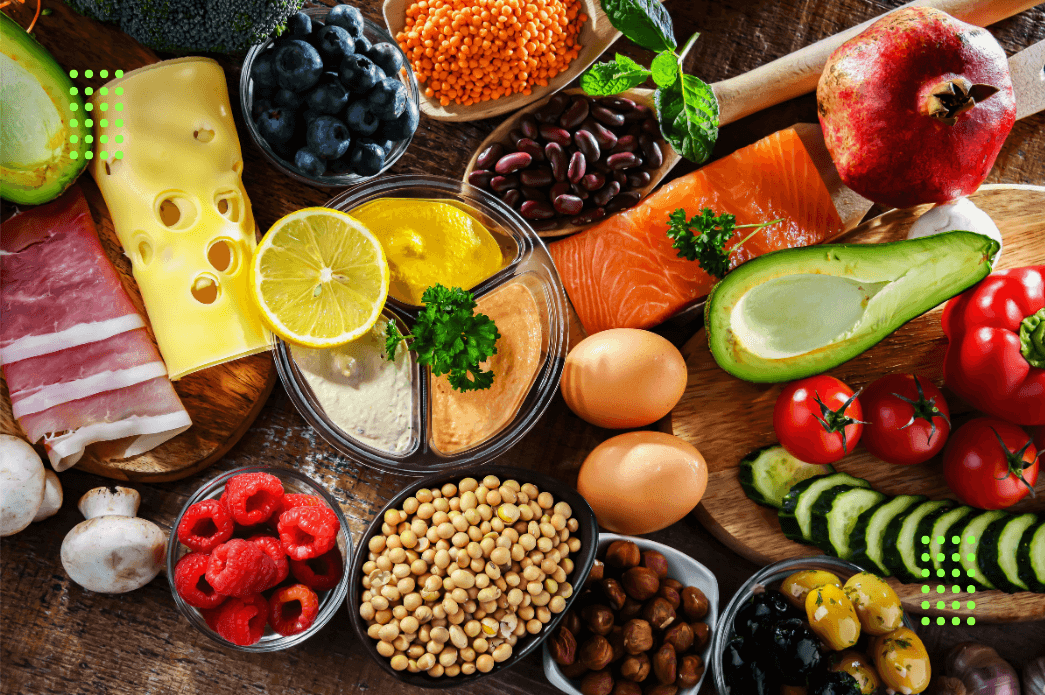
Certain foods deserve starring roles in your meal plans due to their blood sugar-friendly properties. Incorporate these nutritional powerhouses regularly to support optimal glycemic control.
- Leafy greens: Spinach, kale, collards, and Swiss chard provide fiber and magnesium while having virtually no impact on blood glucose
- Fatty fish: Salmon, mackerel, and sardines offer omega-3 fatty acids that improve insulin sensitivity
- Nuts and seeds: Almonds, walnuts, chia seeds, and flaxseeds deliver healthy fats, protein, and fiber
- Legumes: Lentils, chickpeas, and black beans provide plant-based protein and resistant starch that feeds beneficial gut bacteria
- Berries: Blueberries, strawberries, and raspberries contain antioxidants and fiber with lower sugar content than other fruits
- Greek yogurt: High in protein and probiotics, unsweetened Greek yogurt makes an excellent snack or breakfast base
- Avocados: Rich in monounsaturated fats and fiber, they slow carbohydrate absorption significantly
- Cinnamon: This warming spice may improve insulin sensitivity when used regularly
Foods to Limit or Avoid
Understanding which foods to minimize is equally important. White bread, sugary beverages, processed snacks, and refined pastries cause rapid blood sugar spikes. This doesn’t mean never enjoying these foods, but rather consuming them intentionally and infrequently, preferably combined with protein and fiber.
Creating Your Weekly Meal Plan Template 📝
Having a structured template simplifies the planning process significantly. Dedicate a specific time each week—perhaps Sunday afternoon—to outline your meals for the coming days. This ritual becomes easier and faster with practice.
Start by checking your calendar for the week ahead. Identify particularly busy days when you’ll need simpler meals or leftovers. Note any social events or dining out occasions so you can plan accordingly around them.
Choose a theme for each night to reduce decision fatigue. Monday might be slow cooker meals, Tuesday could be stir-fry night, Wednesday for sheet pan dinners, and so on. These loose frameworks provide structure while maintaining flexibility.
Build variety into your rotation to prevent boredom. Plan for different proteins throughout the week, vary your vegetables, and alternate your cooking methods. Repetition is fine for foods you genuinely enjoy, but monotony becomes unsustainable for most people.
🍳 Sample Day of Balanced Eating
Seeing practical examples helps translate theory into reality. Here’s what a balanced day of eating might look like for someone focused on blood sugar management:
Breakfast (7:00 AM): Vegetable omelet made with two eggs, spinach, mushrooms, and tomatoes, served with half an avocado and a small portion of berries. This combination provides protein, healthy fats, fiber, and minimal carbohydrates.
Mid-Morning Snack (10:00 AM): A small handful of raw almonds with cucumber slices. This light snack bridges the gap to lunch without significantly impacting blood sugar.
Lunch (1:00 PM): Large mixed greens salad topped with grilled chicken breast, chickpeas, colorful vegetables, olive oil, and vinegar dressing, alongside a small sweet potato. This plate exemplifies balanced macronutrients.
Afternoon Snack (4:00 PM): Greek yogurt mixed with ground flaxseed and a few walnuts. The protein and fat content prevents energy dips before dinner.
Dinner (7:00 PM): Baked salmon with roasted Brussels sprouts and cauliflower rice seasoned with herbs and a touch of butter. A satisfying meal that’s nutrient-dense and blood sugar-friendly.
Adapting Plans for Real Life Situations 🎯
Perfect meal plans exist only in theory. Real life involves travel, celebrations, unexpected schedule changes, and moments when you simply don’t feel like cooking. Building flexibility into your approach prevents these situations from derailing your progress.
Keep emergency options available for those challenging days. Frozen pre-portioned meals you’ve prepared yourself, canned fish with pre-washed salad, or simple egg-based dishes can save the day when motivation is low.
When dining out, apply the same principles you use at home. Start with a vegetable-based soup or salad, choose grilled proteins over fried options, request sauces on the side, and consider sharing desserts if you indulge. Most restaurants accommodate reasonable requests.
Social gatherings require a different strategy. Eat a balanced snack before attending events so you’re not ravenously hungry. Focus on protein and vegetable options at buffets, and savor small portions of special treats rather than avoiding them entirely and feeling deprived.
Monitoring and Adjusting Your Approach 🔄
Meal planning for blood sugar management is not a set-it-and-forget-it endeavor. Regular monitoring helps you understand what works specifically for your body. Test your glucose at consistent times—fasting, before meals, and two hours after eating—to identify patterns.
Keep a food and symptom journal alongside your glucose readings. Note energy levels, hunger patterns, mood, and sleep quality. These factors all connect to blood sugar regulation and provide valuable feedback for refining your meal plans.
Review your data weekly or bi-weekly. Look for trends rather than fixating on individual readings. Perhaps certain meals consistently produce better results, or maybe you notice that eating dinner earlier improves your morning numbers. Use these insights to optimize your planning.
Don’t hesitate to seek professional guidance. Registered dietitians specializing in diabetes can provide personalized recommendations based on your unique health status, preferences, and goals. They help you navigate challenges and ensure your approach remains nutritionally adequate.
🎉 Celebrating Progress and Staying Motivated
Maintaining motivation requires acknowledging your successes along the way. Celebrate when you complete a week of planned meals, when your glucose readings improve, or when you discover a new favorite recipe. These victories matter regardless of their size.
Connect with others who share similar health goals. Online communities, local support groups, or even a single accountability partner can provide encouragement during difficult moments. Sharing recipes, strategies, and experiences normalizes challenges and celebrates collective wisdom.
Remember that meal planning for blood sugar management is a skill that improves with practice. Your first attempts might feel awkward or time-consuming, but the process becomes increasingly intuitive and efficient. Be patient with yourself as you develop this valuable capability.
Focus on progress rather than perfection. Some weeks will go smoothly while others present unexpected obstacles. What matters is maintaining an overall trajectory toward better health, not executing flawlessly every single day. Flexibility and self-compassion support long-term success.

Your Journey to Better Blood Sugar Starts Now 🚀
Mastering meal planning for blood sugar management transforms your relationship with food from stressful to empowering. You’re no longer at the mercy of cravings, convenience, or chaos. Instead, you’re making conscious choices that honor your health while still enjoying delicious, satisfying meals.
Start where you are with what you have. You don’t need expensive ingredients, complicated recipes, or hours of free time. Begin with simple swaps, basic meal structures, and manageable preparation routines. Small, consistent actions compound into remarkable results over time.
Your blood sugar levels provide continuous feedback about how well your current approach serves you. Listen to this information, adjust accordingly, and trust the process. With each planned meal, you’re investing in stable energy, better health outcomes, and a more vibrant future.
The strategies outlined here provide a comprehensive framework, but remember that individualization matters. Experiment with different approaches, honor your preferences, and build sustainable habits that fit seamlessly into your lifestyle. Your perfect meal planning system is the one you’ll actually maintain long-term.