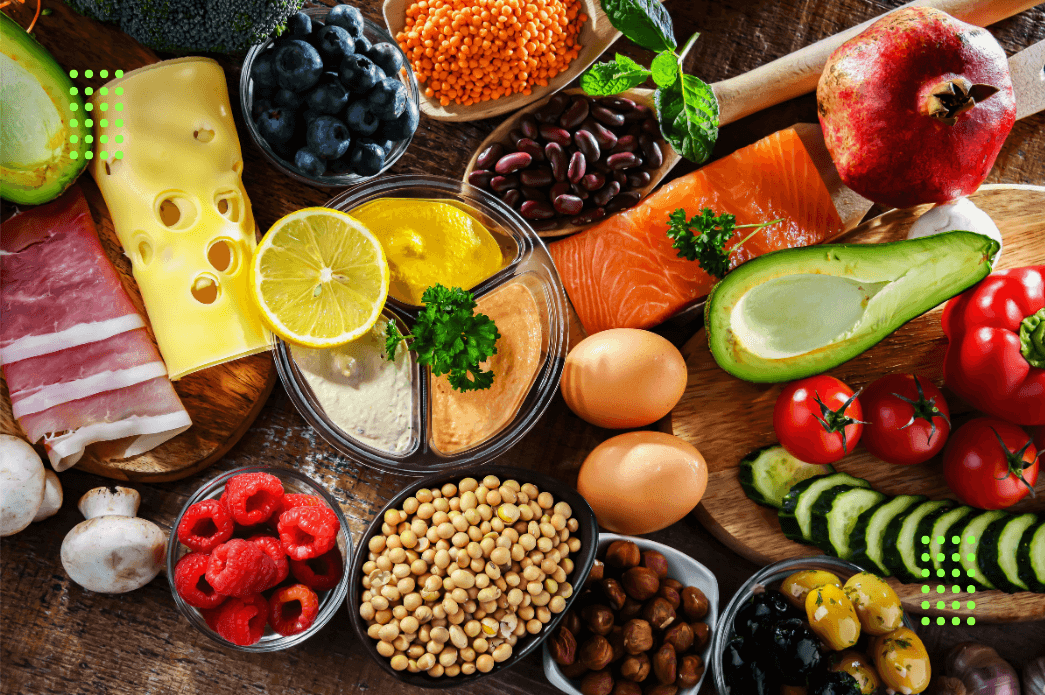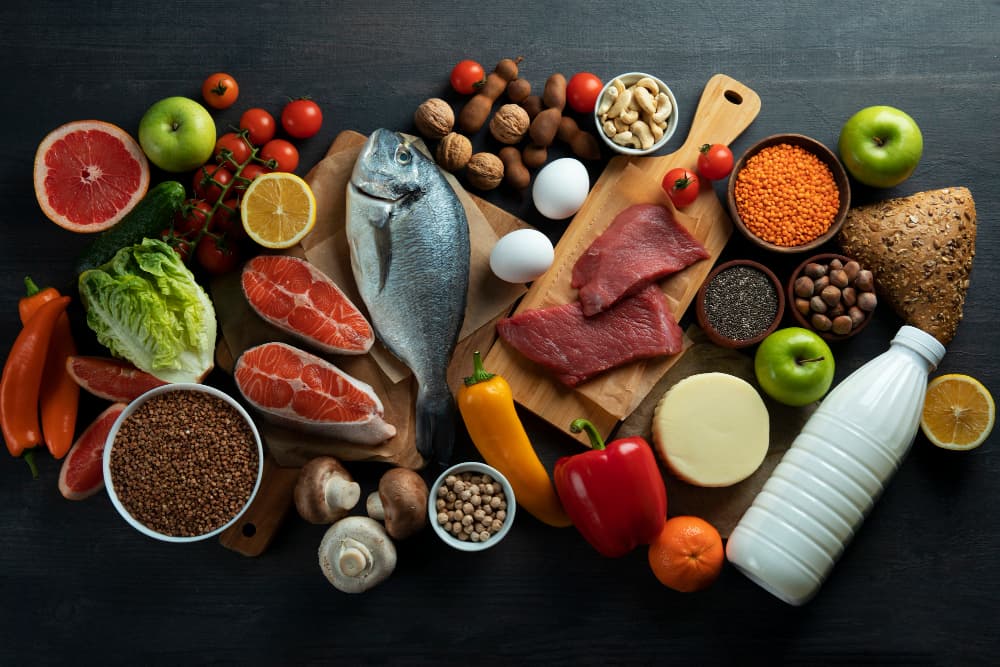
Your daily meals might be quietly fueling inflammation throughout your body, triggering symptoms you’ve never connected to the food on your plate.

In recent years, medical research has illuminated a powerful connection between what we eat and how our bodies respond at the cellular level. Food sensitivities—distinct from true allergies—can activate inflammatory pathways that contribute to a wide range of health conditions, from digestive distress to joint pain, skin issues, and even mood disorders. Understanding this intricate relationship between diet and inflammation represents a crucial step toward taking control of your wellbeing.
Unlike food allergies that produce immediate and often severe reactions, food sensitivities operate in the shadows, creating delayed responses that make them notoriously difficult to identify. This delayed mechanism means that the sandwich you ate for lunch might not cause symptoms until the following day, creating a frustrating puzzle for anyone trying to pinpoint dietary triggers.
🔬 The Science Behind Food Sensitivities and Inflammation
When we discuss food sensitivities, we’re primarily referring to immune system reactions that differ fundamentally from IgE-mediated allergies. Food sensitivities typically involve IgG antibodies rather than IgE antibodies, resulting in delayed inflammatory responses rather than immediate histamine reactions.
Your immune system constantly monitors what enters your body, distinguishing between harmless nutrients and potential threats. When it mistakenly identifies certain food proteins as dangerous invaders, it launches an inflammatory response designed to protect you. This protective mechanism, while well-intentioned, can become problematic when triggered repeatedly by everyday foods.
The inflammatory cascade begins in your gut, where approximately 70% of your immune system resides. When sensitive foods pass through your digestive tract, they can compromise the integrity of your intestinal lining—a condition often referred to as increased intestinal permeability or “leaky gut.” This allows partially digested food particles to escape into your bloodstream, where they’re recognized as foreign substances and attacked by your immune system.
The Inflammatory Cascade Explained
Once your immune system identifies a food sensitivity trigger, it releases inflammatory mediators including cytokines, prostaglandins, and histamines. These chemical messengers travel throughout your body, affecting tissues and organs far beyond your digestive system. This systemic inflammation explains why food sensitivities can manifest as headaches, joint pain, skin conditions, and cognitive symptoms rather than simply stomach upset.
The chronic nature of this inflammation distinguishes food sensitivities from acute allergic reactions. While an allergic response is intense but temporary, sensitivity-related inflammation can persist for days, creating a continuous state of low-grade inflammation that accumulates over time.
🚨 Common Symptoms That Signal Food-Induced Inflammation
Recognizing the signs of food sensitivities requires paying attention to patterns that extend beyond obvious digestive symptoms. The body communicates inflammation through numerous channels, many of which people rarely associate with their diet.
Digestive symptoms remain the most direct indicators, including bloating, gas, constipation, diarrhea, acid reflux, and abdominal cramping. However, these represent only the tip of the iceberg. Systemic symptoms often prove more disruptive to daily life while remaining maddeningly difficult to trace back to dietary sources.
Beyond the Gut: Unexpected Manifestations
- Neurological symptoms: Brain fog, difficulty concentrating, memory problems, headaches, and migraines frequently stem from inflammatory responses to food
- Dermatological issues: Eczema, psoriasis, acne, rashes, and hives can all flare in response to dietary triggers
- Musculoskeletal complaints: Joint pain, muscle aches, and stiffness without clear injury may indicate food-driven inflammation
- Mood disturbances: Anxiety, depression, irritability, and mood swings have documented connections to gut inflammation and food sensitivities
- Respiratory symptoms: Chronic congestion, post-nasal drip, and sinus issues often improve when trigger foods are eliminated
- Fatigue and sleep disruption: Persistent tiredness despite adequate rest frequently improves with dietary modifications
- Weight management challenges: Inflammation can disrupt metabolism and make weight loss extraordinarily difficult
The delayed onset of these symptoms—sometimes appearing 24 to 72 hours after consuming trigger foods—makes identification challenging without systematic tracking. This is where food and symptom journals become invaluable tools for uncovering patterns.
🍞 The Most Common Inflammatory Food Culprits
While any food can theoretically trigger sensitivities in susceptible individuals, research has identified several common offenders that account for the majority of food sensitivity reactions. Understanding these frequent triggers provides a starting point for investigation.
Gluten, the protein found in wheat, barley, and rye, tops the list of inflammatory triggers. Beyond celiac disease—a serious autoimmune condition—non-celiac gluten sensitivity affects a significant portion of the population. This protein can compromise intestinal barrier function and trigger widespread inflammation even in individuals who test negative for celiac markers.
Dairy and Lactose Intolerance
Dairy products present a complex picture, as people may react to either lactose (milk sugar) or casein and whey (milk proteins). Lactose intolerance results from insufficient lactase enzyme production, causing digestive distress but not immune activation. Casein sensitivity, however, triggers true inflammatory responses through immune mechanisms, affecting individuals who can digest lactose without problems.
The inflammatory potential of dairy extends beyond simple intolerance. A1 beta-casein, found in most commercial dairy, has been linked to increased inflammatory markers compared to A2 beta-casein found in certain heritage breeds and goat milk. This distinction explains why some people tolerate specific dairy sources while reacting to others.
Other Frequent Offenders
- Eggs: Particularly egg whites contain proteins that commonly trigger immune responses
- Soy: This legume contains compounds that can interfere with hormone function and trigger inflammation
- Corn: Often genetically modified and ubiquitous in processed foods, corn sensitivity is increasingly common
- Nightshades: Tomatoes, peppers, potatoes, and eggplants contain alkaloids that affect some individuals
- Nuts and seeds: Tree nuts and peanuts represent common sensitivity triggers beyond severe allergies
- Shellfish and certain fish: These can provoke both allergic and sensitivity responses
- Food additives: Preservatives, artificial colors, and flavor enhancers frequently trigger reactions
🔍 Identifying Your Personal Inflammatory Triggers
Discovering which foods contribute to your inflammation requires detective work, patience, and systematic methodology. Several approaches exist, each with distinct advantages and limitations.
The elimination diet remains the gold standard for identifying food sensitivities. This protocol involves removing suspected trigger foods for a specified period—typically three to four weeks—then systematically reintroducing them one at a time while monitoring for reactions. The elimination phase allows inflammation to subside and the immune system to reset, making reactions during reintroduction more apparent.
Implementing an Effective Elimination Protocol
A comprehensive elimination diet removes the most common trigger foods simultaneously: gluten, dairy, eggs, soy, corn, sugar, alcohol, caffeine, and processed foods. While this may seem restrictive, numerous whole foods remain available, including most vegetables, fruits, legumes, rice, quinoa, fish, poultry, and healthy fats.
During elimination, keep detailed records of everything you eat and any symptoms you experience. Pay attention to energy levels, digestion, mood, sleep quality, skin condition, and pain levels. Many people report significant improvements within the first week, though complete resolution may require the full elimination period.
Reintroduction proceeds methodically, testing one food every three days. This spacing allows sufficient time for delayed reactions to manifest before introducing the next food. If symptoms return, you’ve identified a trigger. If no reaction occurs after three days, that food can generally be considered safe for you.
Testing Options: Benefits and Limitations
Several laboratory tests claim to identify food sensitivities, though their reliability varies considerably. IgG food sensitivity tests measure antibody levels against specific foods, but controversy surrounds their clinical utility. Some practitioners find them helpful as screening tools, while others question whether elevated IgG antibodies indicate true sensitivity or simply reflect recent dietary exposure.
Mediator release testing (MRT) measures the immune system’s response to foods by quantifying inflammatory mediators released when blood is exposed to food antigens. This approach may provide more functional information than antibody testing alone, though it remains expensive and not universally available.
Regardless of testing results, the elimination diet with systematic reintroduction provides the most reliable, individualized information about your unique reactions. Tests can guide your investigation, but your body’s responses during careful elimination and reintroduction offer definitive answers.
🥗 Building an Anti-Inflammatory Diet Foundation
Once you’ve identified problematic foods, the focus shifts to constructing a sustainable eating pattern that minimizes inflammation while maximizing nutrition and satisfaction. An anti-inflammatory diet emphasizes whole, unprocessed foods rich in nutrients that actively combat inflammatory processes.
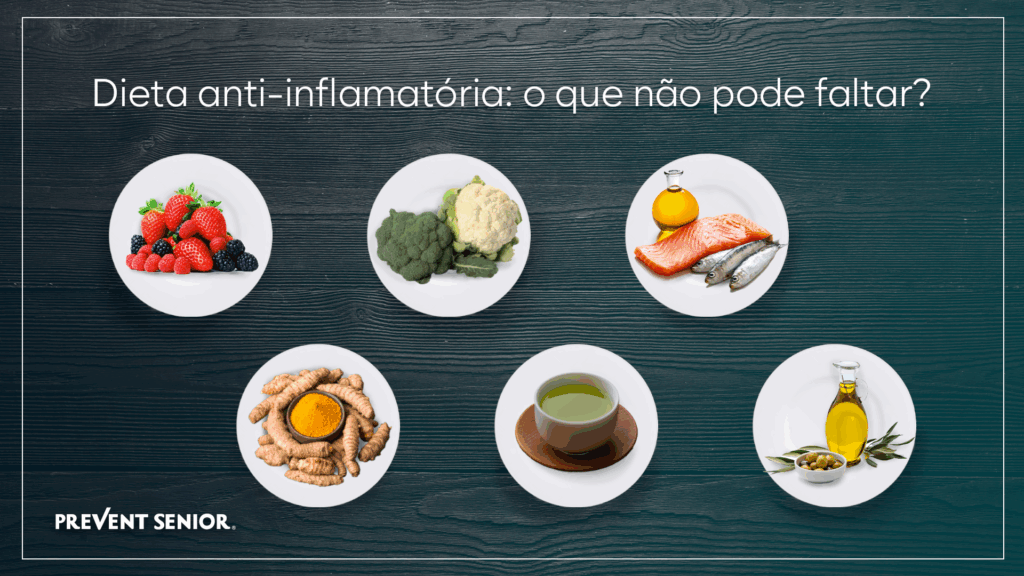
Colorful vegetables and fruits provide polyphenols and antioxidants that neutralize free radicals and reduce inflammatory signaling. Aim for variety, as different pigments indicate distinct beneficial compounds. Dark leafy greens, berries, cruciferous vegetables, and deeply colored produce should feature prominently in your daily meals.
Strategic Nutrient Choices for Inflammation Control
Omega-3 fatty acids, found abundantly in fatty fish, walnuts, flaxseeds, and chia seeds, actively counteract inflammatory pathways. These essential fats compete with omega-6 fatty acids for the same enzymatic pathways, producing anti-inflammatory rather than pro-inflammatory mediators. Most modern diets contain excessive omega-6 fats from vegetable oils and processed foods, so consciously increasing omega-3 intake helps restore balance.
Fiber serves multiple anti-inflammatory functions. It feeds beneficial gut bacteria, which produce short-chain fatty acids that reduce inflammation and strengthen intestinal barrier integrity. Adequate fiber also helps eliminate toxins and excess hormones that might otherwise contribute to inflammatory burden. Target at least 30 grams daily from diverse plant sources.
Herbs and spices pack extraordinary anti-inflammatory power into tiny packages. Turmeric contains curcumin, one of the most extensively studied anti-inflammatory compounds. Ginger, garlic, cinnamon, rosemary, and oregano all contain potent plant chemicals that modulate inflammatory pathways. Incorporating these liberally transforms ordinary meals into therapeutic interventions.
💊 Healing the Gut to Reduce Food Sensitivities
Addressing the root cause of food sensitivities often requires healing intestinal permeability and restoring healthy gut function. When the intestinal barrier functions properly, it prevents food particles from escaping into circulation where they trigger immune responses.
Several nutritional and lifestyle strategies support gut healing. L-glutamine, an amino acid that serves as primary fuel for intestinal cells, can help repair damaged gut lining. Zinc, vitamin A, and vitamin D all play essential roles in maintaining barrier integrity. Bone broth provides collagen and amino acids that support structural repair of intestinal tissues.
The Microbiome Connection
Your gut microbiome—the trillions of bacteria residing in your digestive tract—profoundly influences inflammation and food tolerance. Beneficial bacteria produce anti-inflammatory compounds, train your immune system to respond appropriately rather than overreacting, and help digest foods thoroughly, reducing antigenic load.
Probiotic supplementation with specific strains has demonstrated benefits for reducing inflammation and improving food tolerance. Look for products containing Lactobacillus and Bifidobacterium species with documented anti-inflammatory effects. Fermented foods like sauerkraut, kimchi, kefir, and yogurt (if tolerated) provide beneficial bacteria along with bioactive compounds produced during fermentation.
Prebiotics—the fibers that feed beneficial bacteria—are equally important. Onions, garlic, leeks, asparagus, bananas, and Jerusalem artichokes contain inulin and other fibers that selectively nourish helpful microbes. A diverse, fiber-rich diet promotes microbial diversity, which correlates with reduced inflammation and better overall health.
⚡ Lifestyle Factors That Influence Food-Related Inflammation
Diet exists within a broader context of lifestyle factors that significantly impact inflammatory responses and food tolerance. Addressing these elements often determines success or failure in managing food sensitivities.
Chronic stress dramatically affects gut function and food sensitivities. Stress hormones like cortisol compromise intestinal barrier integrity, alter digestive secretions, and skew immune responses toward inflammatory patterns. Many people notice that foods they normally tolerate become problematic during stressful periods. Stress management through meditation, yoga, deep breathing, or other relaxation practices represents essential medicine for food sensitivities.
Sleep and Inflammatory Regulation
Quality sleep provides crucial time for repair and immune system recalibration. Sleep deprivation increases inflammatory markers, impairs gut barrier function, and heightens sensitivity to dietary triggers. Most adults require seven to nine hours of quality sleep nightly for optimal inflammatory regulation. Prioritizing consistent sleep schedules and good sleep hygiene often yields unexpected improvements in food tolerance.
Exercise presents a paradox regarding inflammation. Moderate physical activity reduces systemic inflammation and improves gut health, while excessive high-intensity exercise without adequate recovery can increase inflammatory burden. Finding your personal sweet spot—enough movement to gain benefits without overtaxing your system—supports healing and reduces reactivity to foods.
🎯 Moving Forward: Creating Your Personalized Plan
Understanding the connection between food sensitivities and inflammation empowers you to take meaningful action toward better health. This knowledge transforms from academic interest into practical benefit only through consistent application and ongoing refinement.
Begin with the elimination diet to identify your specific triggers. Track not only foods and obvious symptoms but also energy, mood, sleep, and subtle changes in how you feel. This comprehensive data provides invaluable insights into patterns you might otherwise miss.
As you rebuild your diet, focus on abundance rather than restriction. Emphasize the rainbow of vegetables, quality proteins, healthy fats, and properly prepared whole grains or alternatives that work for your body. View this as an opportunity to discover new foods and flavors rather than lamenting what you’ve removed.
Work with qualified healthcare practitioners who understand functional approaches to food sensitivities. Integrative physicians, functional medicine doctors, and registered dietitians specializing in elimination diets can provide guidance, support, and appropriate testing when needed. This journey need not be traveled alone.
Remember that food sensitivities often improve as gut health is restored. Foods that trigger reactions initially may become tolerable once inflammation subsides and intestinal barrier function normalizes. Periodic reassessment allows you to expand your diet over time rather than remaining restricted indefinitely.
Your relationship with food profoundly impacts your health, energy, and quality of life. By uncovering the hidden connections between what you eat and the inflammation affecting your wellbeing, you gain powerful tools for transformation. The investment of time and attention required to identify and eliminate inflammatory triggers pays dividends in reduced symptoms, increased vitality, and a deeper understanding of your unique body. Your diet could indeed be affecting your health—and now you have the knowledge to change that relationship for the better. 🌟