Your gut is far more than a digestion machine—it’s a sophisticated ecosystem that influences everything from immunity to mood, energy levels, and long-term disease prevention.

🌱 The Gut Microbiome: Your Body’s Hidden Universe
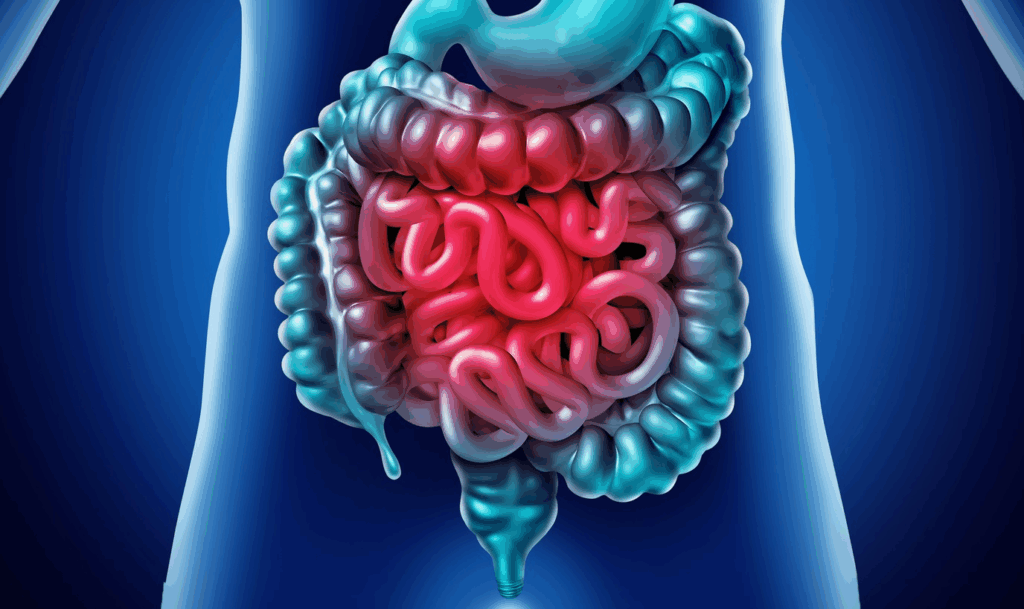
Inside your digestive tract lives a thriving community of trillions of microorganisms, collectively known as the gut microbiome. This complex ecosystem includes bacteria, viruses, fungi, and other microbes that work in harmony to support your health. When balanced, these microscopic allies help break down food, synthesize essential vitamins, regulate inflammation, and protect against harmful pathogens.
Research has revealed that the gut microbiome contains approximately 100 trillion microorganisms, outnumbering human cells by a ratio of roughly 10 to 1. These microbes possess their own genetic material, creating what scientists call your “second genome”—a powerful biological force that significantly impacts your physiology and psychology.
The diversity of your gut bacteria matters tremendously. A rich, varied microbiome typically correlates with better health outcomes, while reduced diversity has been linked to numerous conditions including obesity, inflammatory bowel disease, allergies, and even mental health disorders. Understanding this connection represents a paradigm shift in how we approach wellness.
🧠 The Gut-Brain Axis: Where Digestion Meets Mental Health
One of the most fascinating discoveries in recent medical research is the bidirectional communication highway between your gut and brain, known as the gut-brain axis. This connection involves neural pathways, hormones, and immune system signals that constantly exchange information between these two vital organs.
The vagus nerve serves as the primary communication cable in this system, transmitting signals from your gut to your brain and vice versa. Remarkably, approximately 90% of these signals travel from gut to brain, not the other way around, suggesting that your digestive system may have more influence on your mental state than previously imagined.
Your gut produces a substantial portion of your body’s serotonin—the neurotransmitter responsible for mood regulation, sleep quality, and feelings of well-being. In fact, about 95% of your serotonin is manufactured in the gastrointestinal tract. This explains why gut disturbances often accompany anxiety, depression, and mood swings.
The Emotional Digestive System
Have you ever experienced “butterflies” in your stomach when nervous or lost your appetite during stressful times? These aren’t mere coincidences but evidence of the profound gut-brain connection. Your emotional state directly affects digestive function, while your gut health significantly influences mental wellness.
Studies have shown that people with irritable bowel syndrome (IBS) have higher rates of anxiety and depression. Similarly, individuals diagnosed with depression or anxiety often report digestive complaints. This two-way relationship suggests that healing your gut could be a powerful strategy for improving mental health.
💪 Immunity Headquarters: Your Gut’s Protective Powers
Approximately 70-80% of your immune system resides in your gut. This concentration isn’t accidental—your digestive tract represents a major interface between your body’s internal environment and the outside world. Every time you eat, you introduce foreign substances that your immune system must evaluate for potential threats.
The gut-associated lymphoid tissue (GALT) forms a sophisticated defense network that distinguishes between helpful nutrients, beneficial microbes, and dangerous pathogens. A healthy gut microbiome trains your immune system to respond appropriately, preventing both under-reactions (allowing infections) and over-reactions (causing allergies and autoimmune conditions).
When your gut microbiome is balanced, beneficial bacteria produce short-chain fatty acids that strengthen the intestinal barrier and reduce inflammation throughout your body. This protective barrier prevents harmful substances from entering your bloodstream—a phenomenon called “leaky gut” when compromised.
The Inflammation Connection
Chronic low-grade inflammation has been identified as a root cause of numerous health problems, including cardiovascular disease, diabetes, arthritis, and cancer. Your gut health plays a central role in regulating inflammatory processes throughout your entire body.
When gut bacteria are out of balance—a condition called dysbiosis—harmful microbes can proliferate, triggering inflammatory responses. This inflammation doesn’t stay confined to your digestive system; it can spread systemically, affecting joints, blood vessels, and even brain tissue.
🍽️ Nutrition Absorption: Getting the Most from Your Food
Even the most nutritious diet provides limited benefits if your gut cannot properly absorb those nutrients. Your gut microbiome plays a crucial role in breaking down complex carbohydrates, synthesizing vitamins, and facilitating nutrient absorption across the intestinal wall.
Certain beneficial bacteria produce enzymes that humans lack, allowing us to extract nutrients from fiber and other plant compounds. For example, gut bacteria produce vitamin K2, which is essential for bone health and cardiovascular function. They also synthesize several B vitamins, including folate, biotin, and B12.
The health of your intestinal lining directly impacts nutrient absorption. Damage to this delicate barrier—caused by medications, stress, poor diet, or infections—can lead to malabsorption issues, leaving you nutritionally deficient despite adequate intake.
⚖️ Weight Management and Metabolic Health
Your gut microbiome composition significantly influences your metabolism, weight regulation, and risk of metabolic diseases. Research has identified distinct differences between the gut bacteria of lean individuals versus those who are obese.
Certain bacterial strains are more efficient at extracting calories from food, meaning two people eating identical diets may absorb different amounts of energy based on their microbiome composition. This helps explain why some individuals struggle with weight management despite seemingly reasonable diets.
Gut bacteria also influence hormones that regulate appetite and satiety, including leptin and ghrelin. An imbalanced microbiome can disrupt these signals, leading to increased cravings, overeating, and difficulty recognizing fullness.
Blood Sugar Regulation
The gut microbiome plays a critical role in glucose metabolism and insulin sensitivity. Dysbiosis has been linked to insulin resistance, a precursor to type 2 diabetes. Beneficial gut bacteria help regulate blood sugar levels by producing compounds that improve insulin function and reduce glucose absorption spikes after meals.
🌟 Signs Your Gut Health Needs Attention
Your body sends numerous signals when gut health is compromised. Recognizing these symptoms early allows for timely intervention before problems escalate into chronic conditions.
- Digestive discomfort: Bloating, gas, constipation, diarrhea, or heartburn occurring regularly
- Fatigue: Persistent tiredness despite adequate sleep, potentially indicating nutrient malabsorption
- Skin issues: Acne, eczema, rosacea, or other inflammatory skin conditions
- Food sensitivities: Developing intolerances or allergies to previously well-tolerated foods
- Mood disturbances: Anxiety, depression, or brain fog without obvious external causes
- Frequent infections: Getting sick often due to compromised immunity
- Autoimmune conditions: Development of conditions where the immune system attacks healthy tissue
- Unintentional weight changes: Difficulty losing or maintaining weight despite lifestyle efforts
🥗 Feeding Your Microbiome: Dietary Strategies for Gut Health
What you eat directly shapes your gut microbiome composition. Within just a few days of dietary changes, your microbial population begins to shift, demonstrating the powerful impact of nutrition on gut health.
Fiber: The Microbiome’s Favorite Food
Dietary fiber, particularly prebiotic fiber, serves as fuel for beneficial gut bacteria. When these microbes ferment fiber, they produce short-chain fatty acids that nourish intestinal cells, reduce inflammation, and support overall health.
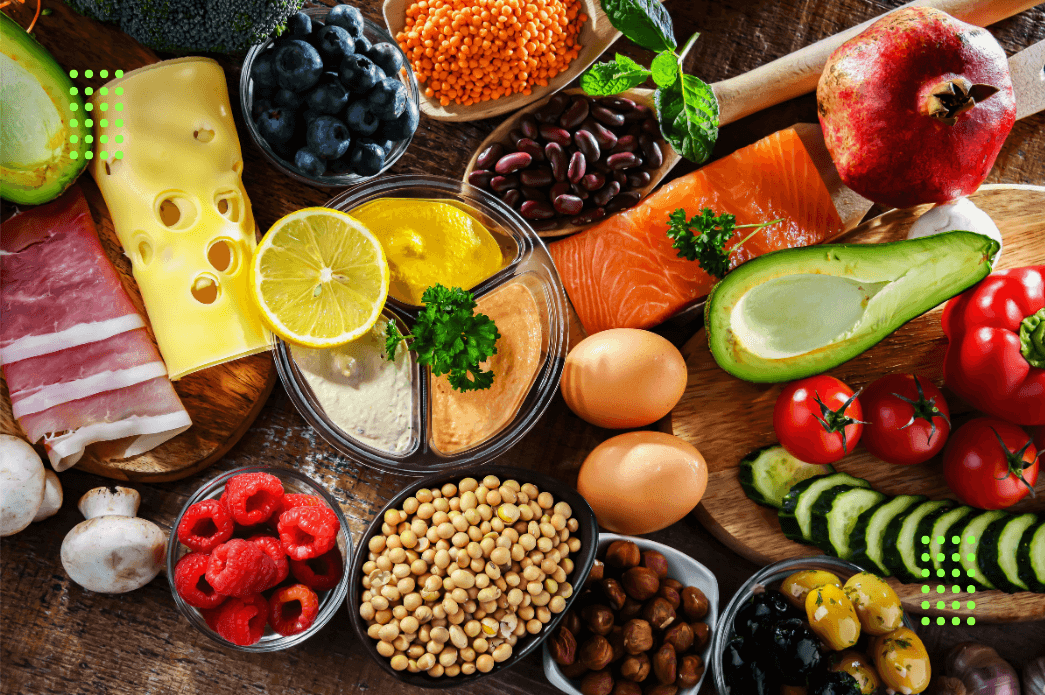
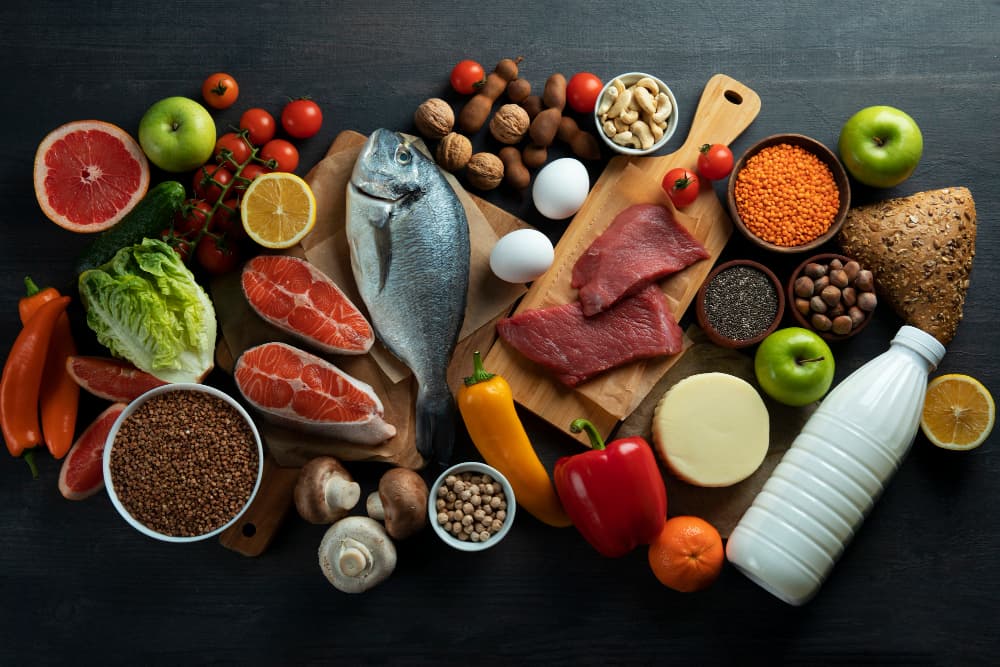
Most people consume far less fiber than recommended. Aim for 25-35 grams daily from diverse sources including vegetables, fruits, whole grains, legumes, nuts, and seeds. Different types of fiber feed different bacterial strains, so variety is essential.
Probiotic-Rich Foods
Fermented foods introduce beneficial live bacteria to your digestive system. Regular consumption of these foods can enhance microbiome diversity and support digestive function. Excellent sources include:
- Yogurt with live active cultures
- Kefir (fermented milk drink)
- Sauerkraut (unpasteurized)
- Kimchi
- Kombucha
- Miso
- Tempeh
- Traditional pickled vegetables
Polyphenols: Colorful Plant Compounds
Polyphenols from colorful fruits, vegetables, tea, coffee, and dark chocolate act as prebiotics and antioxidants, promoting beneficial bacteria growth while suppressing harmful strains. These compounds also reduce inflammation and oxidative stress throughout the body.
Foods to Limit or Avoid
Certain foods can disrupt gut health by promoting harmful bacteria, triggering inflammation, or damaging the intestinal barrier:
- Highly processed foods with artificial additives
- Excessive sugar and artificial sweeteners
- Trans fats and excessive omega-6 fatty acids
- Emulsifiers commonly found in processed foods
- Excessive alcohol consumption
💊 Beyond Diet: Lifestyle Factors That Shape Gut Health
While nutrition forms the foundation of gut health, other lifestyle factors significantly influence your microbiome composition and digestive function.
Stress Management
Chronic stress disrupts gut function through the gut-brain axis, altering microbiome composition, increasing intestinal permeability, and triggering inflammation. Stress reduction techniques like meditation, yoga, deep breathing, and regular relaxation can protect gut health.
Quality Sleep
Your gut microbiome follows circadian rhythms, with bacterial populations fluctuating throughout the day. Poor sleep disrupts these natural cycles, contributing to dysbiosis. Prioritize 7-9 hours of quality sleep nightly to support optimal gut function.
Regular Physical Activity
Exercise increases microbiome diversity and promotes the growth of beneficial bacterial strains. Even moderate activity like walking provides significant benefits. Aim for at least 150 minutes of moderate-intensity exercise weekly.
Antibiotic Stewardship
While sometimes necessary, antibiotics indiscriminately kill both harmful and beneficial bacteria, potentially causing long-lasting microbiome disruption. Use antibiotics only when medically necessary, and consider probiotic supplementation during and after treatment to support recovery.
🔬 Testing and Personalizing Your Gut Health Approach
Advanced microbiome testing has become increasingly accessible, offering insights into your unique bacterial composition. These tests analyze stool samples to identify which bacterial strains are present, their relative abundances, and potential imbalances.
While not necessary for everyone, microbiome testing can be valuable if you have persistent digestive issues, autoimmune conditions, or difficulty achieving health goals despite lifestyle modifications. Results can guide personalized dietary and supplement recommendations.
Working with Healthcare Professionals
If you suspect significant gut health issues, consider consulting with healthcare professionals who specialize in digestive health, such as gastroenterologists, functional medicine practitioners, or registered dietitians with expertise in gut health.
🚀 Starting Your Gut Health Journey Today
Improving gut health doesn’t require perfect adherence to complex protocols. Small, consistent changes accumulate into significant benefits over time. Start with one or two modifications and gradually incorporate additional strategies as they become habitual.
Consider beginning with these foundational steps: increase your fiber intake by adding one extra serving of vegetables daily, introduce a fermented food you enjoy, take a 15-minute walk after meals to support digestion, and establish a consistent sleep schedule. These simple actions can initiate positive changes in your microbiome within days.
Remember that gut healing takes time, especially if you’ve experienced years of dysbiosis. Be patient with the process and focus on progress rather than perfection. Your gut microbiome is remarkably resilient and responsive to positive lifestyle changes.
🌈 The Ripple Effect of Gut Wellness
When you prioritize gut health, the benefits extend far beyond improved digestion. You may experience enhanced mental clarity, more stable moods, increased energy, better sleep quality, clearer skin, easier weight management, and fewer sick days. These improvements often emerge gradually, reinforcing the connection between your gut and overall vitality.
Your gut health represents one of the most powerful levers you can pull to transform your wellness. Unlike genetic factors you cannot change, your microbiome responds dynamically to your daily choices. Every meal, every stress management practice, every good night’s sleep represents an opportunity to nourish this internal ecosystem.
By understanding the profound connections between gut health and overall wellness, you gain the knowledge to make informed decisions that support your body’s natural healing capabilities. The journey to optimal health truly begins in your gut—a remarkable universe within that holds the keys to unlocking your full vitality potential.